
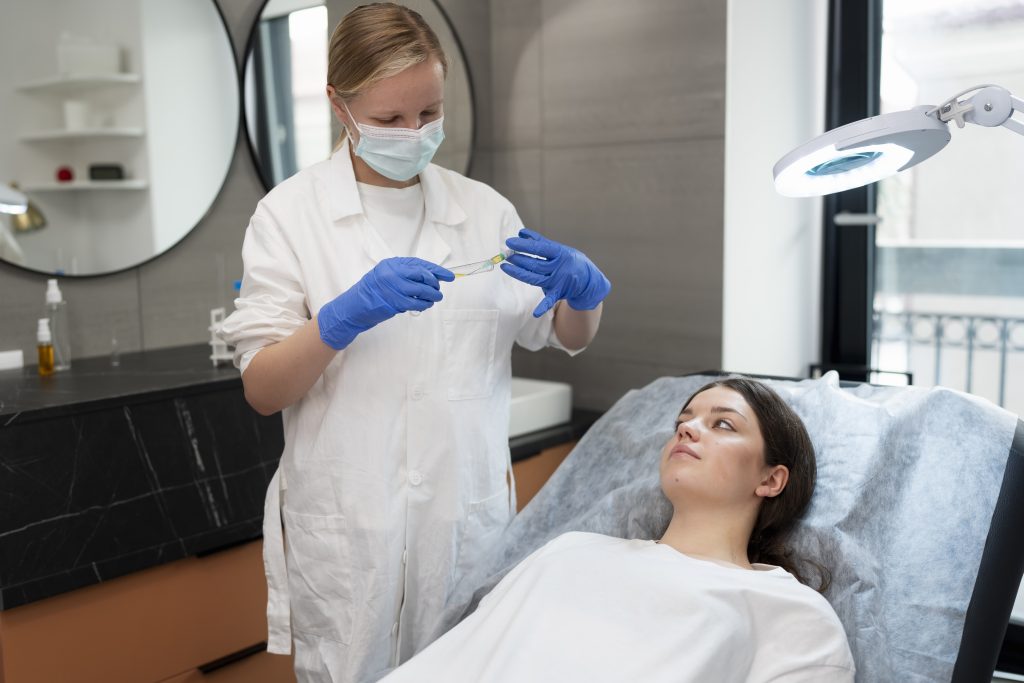
Why personalization matters in cosmetic procedures is a question every patient should consider before undergoing any treatment. Modern cosmetic medicine is no longer a “one-size-fits-all” industry. Every individual has unique facial features, body structure, skin type, and aesthetic goals. Personalization ensures that treatments are tailored to these specific needs, resulting in natural-looking, safe, and satisfying outcomes.
Understanding the importance of customization can help patients make informed decisions and achieve results that enhance their natural beauty rather than compromise it.
Understanding the Individual Differences
Every person’s anatomy is different, which means the same procedure can produce different results for different individuals. Factors that influence cosmetic outcomes include:
- Facial structure: Bone and muscle composition affect how fillers, Botox, or other injectables settle.
- Skin type: Thickness, elasticity, and pigmentation influence treatment selection and effectiveness.
- Age: Age-related changes in skin and tissue require specific approaches to achieve natural results.
- Lifestyle and health: Nutrition, hydration, sleep, and medical history impact healing and longevity of results.
A personalized approach considers all these factors, ensuring treatments are safe, effective, and suited to the individual.
Enhancing Natural Results
One of the primary reasons personalization matters in cosmetic procedures is that it ensures natural-looking outcomes. Overly standardized treatments often produce generic or artificial results. When procedures are tailored:
- Injectables enhance features subtly rather than creating drastic changes
- Skin treatments address specific concerns like pigmentation, acne scars, or fine lines
- Surgical procedures consider symmetry, proportions, and facial harmony
The goal is to enhance the patient’s unique features while preserving individuality.
Optimizing Safety and Minimizing Risks
Cosmetic procedures, whether non-invasive or surgical, carry potential risks. Personalized treatment plans reduce these risks by:
- Selecting the appropriate procedure for your skin type or anatomy
- Determining the correct dosage or intensity of treatment
- Avoiding treatments that may cause complications due to medical history or allergies
By tailoring procedures to each individual, practitioners maximize safety and minimize adverse effects.
Improving Patient Satisfaction
Patient satisfaction is closely linked to how well treatment aligns with personal goals. Standardized procedures may not address the unique concerns or desired outcomes of each patient. Personalized approaches involve:
- Thorough consultations to understand goals and expectations
- Customized treatment plans to meet aesthetic desires
- Regular follow-ups to monitor results and make adjustments if needed
When patients see results that reflect their goals and natural features, satisfaction and confidence increase significantly.
Combining Multiple Treatments
Many cosmetic concerns require a combination of treatments for optimal results. Personalization allows professionals to design multi-step plans that integrate procedures safely and effectively. For example:
- Botox and fillers may be combined to address dynamic and static wrinkles
- Laser treatments can be paired with microneedling for acne scars
- Non-surgical body contouring can complement skin-tightening treatments
Tailored treatment plans ensure each procedure works synergistically rather than in isolation, providing superior outcomes.
Considering Longevity and Maintenance
Not all cosmetic procedures have the same duration or require the same maintenance. Personalized planning helps:
- Determine the ideal treatment frequency
- Recommend lifestyle adjustments to prolong results
- Identify future treatments to maintain or enhance outcomes
This ensures that results are not only aesthetically pleasing but also long-lasting and sustainable.
Psychological and Emotional Benefits
Cosmetic procedures have psychological impacts beyond appearance. When treatments are personalized:
- Patients feel understood and heard
- Anxiety about unnatural results or complications is reduced
- Confidence, self-esteem, and overall well-being improve
A treatment plan that respects individuality contributes to both physical and emotional satisfaction.
Choosing the Right Practitioner
Achieving personalized cosmetic results depends on selecting a skilled and experienced practitioner. Look for providers who:
- Conduct thorough consultations and assessments
- Offer customized treatment plans, not pre-set packages
- Use advanced technology and techniques tailored to individual needs
- Maintain transparent communication about risks, expectations, and results
The expertise of the practitioner is crucial in turning a personalized plan into successful outcomes.
Why personalization matters in cosmetic procedures cannot be overstated. Every person’s anatomy, skin type, age, and aesthetic goals are unique, and effective cosmetic treatments must reflect that individuality. Personalized approaches ensure natural results, enhance safety, improve patient satisfaction, and support long-term maintenance.
Investing in a customized treatment plan is not just about appearance—it’s about achieving results that align with your identity, boost confidence, and support overall well-being. Personalization transforms cosmetic procedures from generic interventions into thoughtful, artful, and highly effective enhancements.