
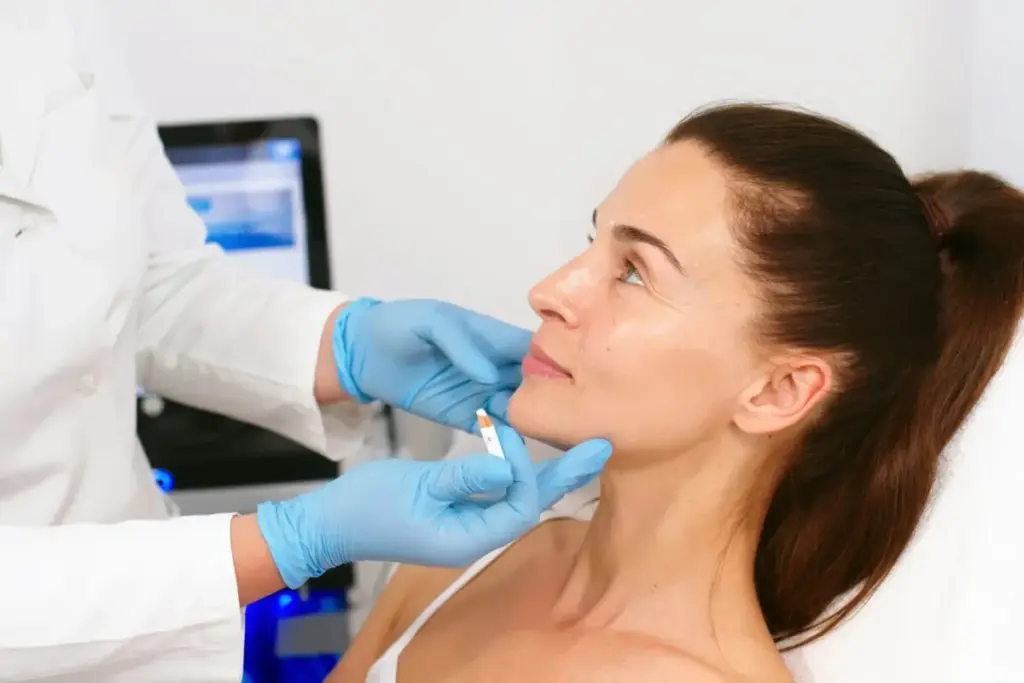
Plastic surgery has changed significantly over the years, evolving into a more advanced, personalized, and patient-centered field. Modern innovations in medical technology, surgical techniques, safety protocols, and recovery management have made procedures more comfortable and accessible than ever before. Today, plastic surgery is no longer focused solely on dramatic cosmetic changes; it is increasingly designed to support natural-looking enhancement, emotional well-being, and individualized patient care.
Understanding why modern plastic surgery is more patient-friendly helps highlight how advancements in healthcare continue to improve safety, comfort, communication, and overall treatment experiences. Patients now benefit from more refined procedures, customized treatment planning, and enhanced recovery methods that prioritize both physical and emotional wellness.
The Shift Toward Patient-Centered Care
One of the biggest changes in modern plastic surgery is the emphasis on patient-centered care. Earlier approaches often focused mainly on technical outcomes, while modern practices prioritize the patient’s personal goals, comfort, and long-term satisfaction.
Patient-centered care involves:
- Personalized consultations
- Customized treatment planning
- Clear communication
- Emotional support throughout the process
- Realistic expectation management
This approach helps patients feel more informed, involved, and confident in their treatment decisions.
Advanced Technology Improves Safety and Precision
Technological advancements have made plastic surgery significantly safer and more precise. Modern surgical tools and digital systems allow surgeons to plan and perform procedures with greater accuracy.
Key technological improvements include:
- 3D imaging and surgical simulation
- Digital treatment planning
- Precision surgical instruments
- Advanced patient monitoring systems
- Improved anesthesia techniques
These technologies reduce uncertainty, support natural-looking results, and help minimize surgical risks.
Personalized Surgical Planning
Modern plastic surgery focuses heavily on customization because every individual has unique anatomy, skin quality, and aesthetic goals.
Personalized planning may consider:
- Facial and body proportions
- Skin elasticity
- Age-related changes
- Lifestyle factors
- Recovery expectations
- Long-term maintenance goals
Customized treatment strategies improve overall balance and help achieve more natural and harmonious outcomes.
More Natural-Looking Results
Many patients today prefer subtle improvements rather than dramatic transformations. Modern surgical techniques are designed to enhance natural beauty while preserving individuality and facial expression.
Natural-looking refinement focuses on:
- Balanced proportions
- Preservation of facial movement
- Soft contour enhancement
- Minimal visible scarring
- Harmonious body shaping
This shift has made plastic surgery more appealing to individuals seeking refined and realistic improvements.
Minimally Invasive Techniques Reduce Downtime
Modern plastic surgery increasingly uses minimally invasive techniques that reduce physical stress on the body and improve recovery experiences.
Examples may include:
- Smaller surgical incisions
- Endoscopic procedures
- Laser-assisted technologies
- Advanced skin tightening treatments
- Precision tissue preservation methods
These approaches often result in:
- Reduced swelling and bruising
- Faster healing
- Less discomfort
- Shorter recovery periods
Patients can often return to normal activities more quickly compared to traditional surgical methods.
Improved Recovery and Postoperative Care
Recovery management has become a major focus in modern plastic surgery. Advances in postoperative care help improve healing and overall patient comfort.
Modern recovery strategies may include:
- Personalized recovery plans
- Enhanced pain management techniques
- Advanced scar care methods
- Compression and support technologies
- Nutritional guidance for healing
Careful recovery planning helps reduce complications and supports long-term surgical success.
Better Communication Between Patients and Surgeons
Digital technology and improved consultation methods have strengthened communication between patients and surgical teams. Patients now have access to more detailed information before making treatment decisions.
Modern consultations often include:
- Digital imaging previews
- Detailed treatment explanations
- Recovery timeline discussions
- Personalized risk assessments
- Open communication about expectations
This transparency helps patients make more informed and confident choices.
Enhanced Emotional Support and Wellness Focus
Plastic surgery is increasingly recognized as part of overall personal wellness rather than purely cosmetic enhancement. Emotional comfort and psychological preparation are now considered important aspects of the treatment process.
Modern practices often emphasize:
- Emotional readiness evaluations
- Confidence-building consultations
- Healthy motivation assessment
- Long-term patient satisfaction
This supportive approach helps patients feel more emotionally prepared and reassured throughout their surgical journey.
Safer Anesthesia and Medical Standards
Advancements in anesthesia and medical safety standards have significantly improved the patient experience in plastic surgery.
Safety improvements may include:
- Modern anesthesia monitoring systems
- Enhanced infection prevention protocols
- Improved emergency response procedures
- Better patient screening processes
- Continuous surgical monitoring technology
These developments contribute to safer procedures and increased patient confidence.
Reduced Scarring and Improved Healing Techniques
Modern surgical techniques are designed to minimize visible scarring and support better healing outcomes.
Innovations that improve healing may include:
- Precision incision placement
- Tissue-preserving surgical methods
- Advanced wound closure techniques
- Regenerative skin support treatments
- Scar management technologies
These advancements help create smoother and more natural-looking results over time.
Greater Accessibility to Non-Surgical Options
Many modern aesthetic concerns can now be addressed through non-surgical or minimally invasive procedures. These treatments provide alternatives for individuals seeking improvement without traditional surgery.
Non-surgical advancements may include:
- Skin tightening technologies
- Injectable treatments
- Laser rejuvenation
- Collagen stimulation therapies
- Advanced body contouring methods
These options allow patients to explore gradual and less invasive aesthetic enhancement.
Personalized Long-Term Care
Modern plastic surgery does not end after the procedure itself. Long-term patient care and maintenance have become important aspects of achieving lasting results.
Long-term support may include:
- Follow-up evaluations
- Skin and scar care recommendations
- Lifestyle guidance
- Preventive aging strategies
- Personalized wellness plans
This continued care helps patients maintain their results and overall well-being.
The Role of Artificial Intelligence and Future Innovation
The future of patient-friendly plastic surgery is expected to become even more advanced through artificial intelligence and digital healthcare innovations.
Future developments may include:
- AI-assisted surgical planning
- Predictive healing analysis
- Virtual consultation systems
- Personalized regenerative treatments
- Advanced robotic-assisted procedures
These technologies aim to improve precision, recovery, and overall patient experiences even further.
Why Modern Plastic Surgery Feels More Comfortable
The combination of advanced technology, personalized care, and improved communication has made modern plastic surgery significantly more comfortable for patients.
Modern procedures often provide:
- Better education and preparation
- Reduced physical discomfort
- Faster recovery experiences
- More predictable results
- Increased emotional reassurance
As a result, patients often feel more supported and confident throughout the entire process.
Dr. Ahmad Houmsie is a highly skilled plastic and aesthetic surgeon in Dubai, with extensive clinical training and international credentials. He offers advanced cosmetic procedures for the face and body — including rhinoplasty, liposuction, breast surgery, tummy tuck, facelifts, and more — using state‑of‑the‑art techniques tailored to each patient. For anyone seeking expert guidance and transformative results, booking a consultation directly with Dr. Ahmad Houmsie ensures personalized care and professional excellence.