
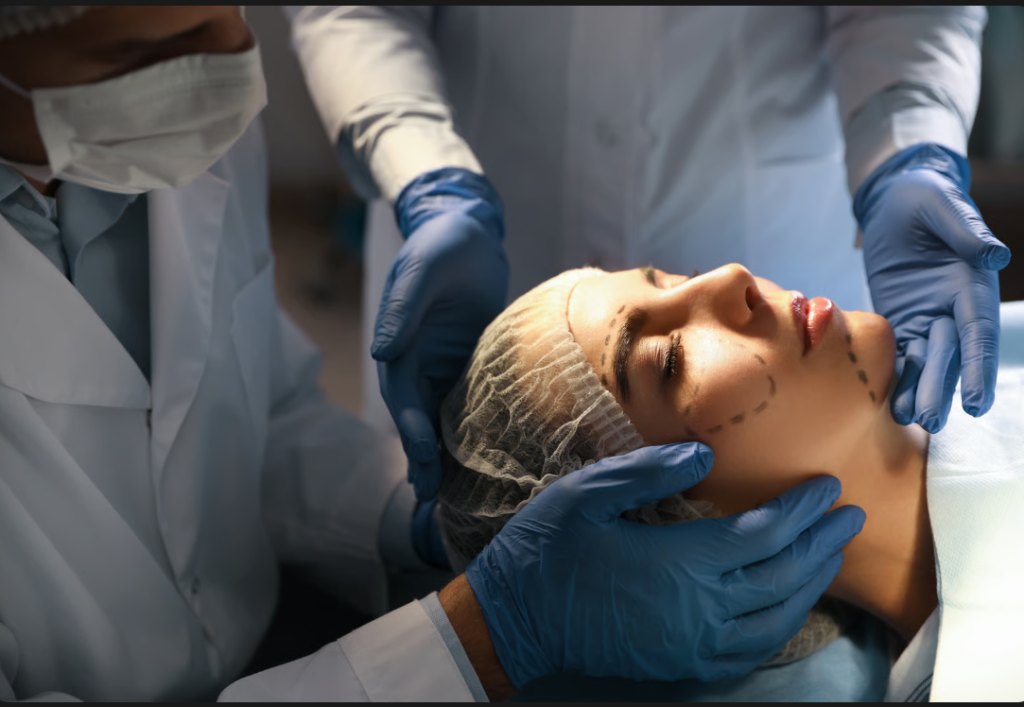
Aesthetic surgery is both a science and an art. While modern technology and advanced techniques have made cosmetic procedures safer and more effective, the experience of the surgeon remains one of the most critical factors influencing outcomes. Experience goes beyond credentials—it reflects years of hands-on practice, refined judgment, and the ability to deliver natural, balanced results while prioritizing patient safety.
Understanding why experience matters in aesthetic surgery helps individuals make informed decisions and achieve results that enhance confidence without compromising health or individuality.
Experience and Technical Mastery
Experienced aesthetic surgeons develop a high level of technical skill through years of practice. Every surgical procedure requires precise execution, and even minor errors can affect symmetry, healing, or overall results.
With experience, surgeons learn to:
- Perform delicate procedures with accuracy
- Minimize tissue trauma
- Reduce scarring and recovery time
- Adapt techniques based on individual anatomy
This technical mastery allows for smoother surgeries and more predictable outcomes.
Deep Understanding of Anatomy
A thorough knowledge of anatomy is essential in aesthetic surgery. Facial structures, muscles, nerves, and blood vessels vary from person to person. Experienced surgeons understand these variations and adjust their approach accordingly.
This expertise helps:
- Preserve natural facial expressions
- Avoid nerve damage or functional issues
- Maintain balanced proportions
An experienced surgeon knows not just where to operate, but how each layer of tissue interacts during healing.
The Role of Judgment and Decision-Making
Experience enhances a surgeon’s ability to make sound decisions before, during, and after surgery. Knowing when to proceed—and when not to—is a key marker of expertise.
Experienced surgeons can:
- Identify suitable candidates for procedures
- Recommend conservative approaches when appropriate
- Avoid unnecessary or excessive treatments
This judgment prevents overcorrection and reduces the risk of unnatural results.
Personalized Treatment Planning
Every individual has unique features, goals, and expectations. Experience allows surgeons to design personalized treatment plans rather than relying on one-size-fits-all techniques.
Comprehensive planning includes:
- Evaluating facial proportions and skin quality
- Understanding age-related changes
- Aligning patient goals with realistic outcomes
Customized planning leads to more natural-looking and satisfying results.
Managing Risks and Complications
No surgical procedure is completely risk-free. Experience equips surgeons with the ability to anticipate, prevent, and manage potential complications effectively.
Benefits of experience include:
- Early recognition of complications
- Prompt corrective action
- Reduced likelihood of long-term issues
An experienced surgeon remains calm and decisive, even in unexpected situations, ensuring patient safety at every stage.
Aesthetic Sensibility and Artistic Vision
Aesthetic surgery requires an artistic eye as much as technical skill. Experience refines a surgeon’s sense of proportion, balance, and harmony.
Experienced surgeons understand:
- How subtle changes can significantly impact appearance
- The importance of preserving individuality
- How results will age over time
This artistic sensibility helps avoid trends that may look unnatural or outdated in the future.
Better Communication and Patient Trust
With experience comes improved communication skills. Seasoned surgeons know how to listen carefully, educate patients, and manage expectations realistically.
Effective communication ensures:
- Clear understanding of procedures and outcomes
- Increased patient confidence and trust
- Higher satisfaction with results
Patients are more comfortable when guided by someone with a proven track record.
Long-Term Results and Ethical Practice
Experienced surgeons focus on long-term outcomes rather than short-term trends. They prioritize procedures that age well and maintain natural balance over time.
Ethical practice includes:
- Recommending surgery only when appropriate
- Avoiding unnecessary interventions
- Placing patient wellbeing above aesthetic trends
This approach builds trust and leads to safer, more lasting results.
Experience plays a vital role in aesthetic surgery, influencing every aspect of the patient journey—from consultation and planning to execution and recovery. Technical mastery, anatomical knowledge, sound judgment, and artistic vision all improve with experience. Choosing an experienced aesthetic surgeon increases the likelihood of safe procedures, natural-looking results, and long-term satisfaction. In aesthetic surgery, experience is not just an advantage—it is essential.