
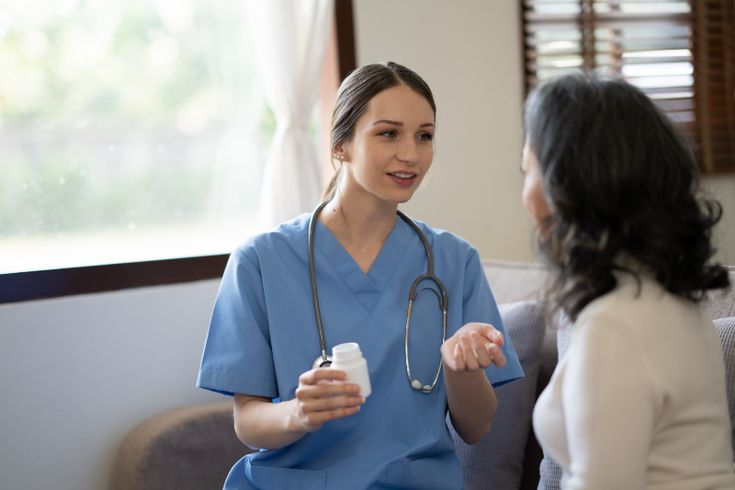
Communication plays a central role in the success of aesthetic treatments. Whether someone is undergoing a non-surgical procedure like skin rejuvenation or a more advanced cosmetic treatment, clear communication between the patient and the practitioner ensures safety, realistic expectations, and satisfying results. Aesthetic medicine is not only about technology and techniques—it is also about understanding individual goals, concerns, and outcomes in a precise and personalized way.
When communication is strong, patients feel more confident, informed, and comfortable throughout their treatment journey. At the same time, practitioners can design better treatment plans that match the patient’s needs more accurately.
Understanding Patient Goals Clearly
One of the most important aspects of communication in aesthetic treatments is understanding what the patient truly wants to achieve. Every individual has different expectations, whether it is smoother skin, facial contouring, or anti-aging improvements.
Clear communication helps:
- Identify the exact concern of the patient
- Understand desired aesthetic outcomes
- Avoid confusion or unrealistic expectations
- Align treatment plans with patient goals
When goals are clearly discussed, the chances of dissatisfaction reduce significantly.
Setting Realistic Expectations
Aesthetic treatments can improve appearance, but they do have limitations. Proper communication ensures that patients understand what is realistically achievable based on their skin type, age, and treatment choice.
Good communication helps patients:
- Understand expected results
- Know how long results will take to appear
- Realize that multiple sessions may be needed
- Accept natural variations in outcomes
When expectations are realistic, patients are more satisfied with the final results and trust the process more.
Improving Treatment Safety
Communication is essential for ensuring safety during aesthetic procedures. Patients must share accurate medical history, allergies, medications, and previous treatments with their practitioner.
Effective communication helps:
- Identify possible risks before treatment
- Avoid allergic reactions or complications
- Choose safe and suitable procedures
- Adjust treatment plans based on medical conditions
This reduces the risk of side effects and ensures safer outcomes.
Enhancing Treatment Customization
Every patient’s skin type, condition, and aesthetic goal are different. Clear communication allows practitioners to create fully customized treatment plans.
With proper communication, specialists can:
- Choose the right technology or procedure
- Adjust treatment intensity
- Combine multiple treatments effectively
- Personalize skincare and aftercare plans
Customized treatment leads to more natural and effective results.
Building Trust Between Patient and Practitioner
Trust is a key factor in any aesthetic journey. When communication is open and honest, patients feel more confident in their practitioner’s skills and advice.
Strong communication builds trust by:
- Encouraging transparency about procedures
- Allowing patients to ask questions freely
- Providing honest opinions about results
- Creating a comfortable treatment environment
A trusting relationship improves cooperation and treatment satisfaction.
Reducing Anxiety and Fear
Many patients feel nervous before undergoing aesthetic treatments, especially if it is their first experience. Clear communication helps reduce fear by explaining the process in detail.
Good communication helps patients:
- Understand what will happen during treatment
- Know what sensations they may feel
- Prepare mentally for recovery
- Feel more relaxed and confident
When patients are well-informed, anxiety is significantly reduced.
Improving Aftercare Compliance
Post-treatment care is crucial for achieving the best results. Communication ensures that patients understand how to take care of themselves after the procedure.
Clear instructions help patients:
- Follow aftercare routines correctly
- Avoid harmful activities during recovery
- Use recommended skincare products
- Attend follow-up appointments on time
Proper aftercare leads to faster healing and better long-term results.
Preventing Misunderstandings
Miscommunication can lead to disappointment or dissatisfaction with results. Clear and honest discussions help avoid confusion before and after treatment.
Effective communication prevents:
- Unrealistic expectations
- Incorrect assumptions about results
- Misunderstanding of risks or recovery time
- Poor compliance with instructions
This ensures a smoother treatment experience overall.
Supporting Long-Term Results
Communication does not end after the treatment is completed. Ongoing discussions between patient and practitioner help maintain long-term results.
This includes:
- Regular follow-up visits
- Skincare guidance updates
- Maintenance treatment planning
- Lifestyle recommendations for better results
Continuous communication helps preserve and enhance aesthetic outcomes over time.
Dr. Ahmad Houmsie is a highly skilled plastic and aesthetic surgeon in Dubai, with extensive clinical training and international credentials. He offers advanced cosmetic procedures for the face and body — including rhinoplasty, liposuction, breast surgery, tummy tuck, facelifts, and more — using state‑of‑the‑art techniques tailored to each patient. For anyone seeking expert guidance and transformative results, booking a consultation directly with Dr. Ahmad Houmsie ensures personalized care and professional excellence.