
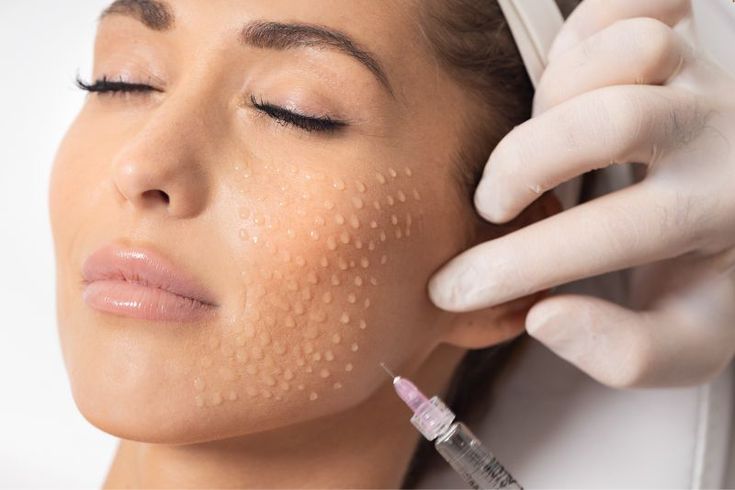
A natural-looking cosmetic result is often one that enhances a person’s appearance without making the changes appear obvious or disproportionate. What Makes a Plastic Surgery Result Look Natural? depends on several factors, including individual anatomy, facial or body proportions, surgical planning, technique, healing, and realistic expectations. Rather than creating an identical appearance for everyone, modern plastic surgery often aims to preserve individuality while addressing specific aesthetic concerns.
Natural-looking results do not necessarily mean that no one will notice a change. Instead, the goal may be for the treated area to complement the rest of the face or body and appear harmonious.
Individual Anatomy Matters
Every person has unique anatomy. Bone structure, soft-tissue distribution, skin thickness, facial proportions, body shape, and natural asymmetries can all influence how a cosmetic procedure looks.
A technique that works well for one individual may not be appropriate for another. For this reason, personalized assessment is an important part of cosmetic surgery planning.
A qualified plastic surgeon evaluates the patient’s anatomy and goals before recommending an appropriate approach. This helps ensure that the planned changes are compatible with the individual’s existing features.
Proportion and Balance
Proportion is one of the most important factors in achieving natural-looking results. Changing one feature without considering surrounding structures can sometimes create an appearance that feels unbalanced.
For facial procedures, the relationship between the nose, cheeks, lips, chin, forehead, and jawline may be considered. For body procedures, the surgeon may evaluate how the treated area relates to the surrounding body contours.
The objective is not necessarily to make every feature smaller or larger. Instead, appropriate proportions can help create a more harmonious overall appearance.
Preserving Individual Identity
Natural-looking plastic surgery should generally preserve the characteristics that make a person recognizable as themselves.
For facial procedures, excessive changes may alter facial identity. A personalized approach considers existing facial features, ethnicity and individual anatomy, age, and personal preferences while developing a treatment plan.
The desired outcome should reflect the patient’s goals rather than an unrealistic or standardized idea of beauty.
Conservative and Appropriate Changes
More extensive treatment does not always mean better results. In some cases, subtle changes may provide a significant improvement while maintaining a natural appearance.
A surgeon may recommend making carefully considered adjustments rather than dramatically changing a particular feature. The appropriate degree of correction depends on the patient’s anatomy, concerns, and desired outcome.
Conservative treatment can be particularly important when the goal is refinement rather than transformation.
Surgical Technique and Planning
The surgeon’s technique can influence both the appearance and function of the final result. Careful planning considers factors such as tissue characteristics, incision placement, structural support, and the desired degree of correction.
In procedures involving facial structures, maintaining appropriate support and respecting underlying anatomy can be important for achieving a balanced outcome.
Detailed preoperative planning also helps establish realistic expectations and identify potential limitations before surgery.
Skin Quality and Tissue Characteristics
Skin and soft-tissue characteristics can affect how a cosmetic procedure heals and appears over time. Skin elasticity, thickness, texture, and age may influence the final outcome.
For example, individuals with different skin qualities may respond differently to procedures that involve tightening, reshaping, or volume changes.
A thorough consultation allows the surgeon to consider these factors and select an approach suited to the patient’s specific characteristics.
Healing Affects the Final Appearance
The immediate appearance after surgery is not necessarily the final result. Swelling, bruising, fluid retention, and temporary tissue changes can affect how the treated area looks during the early recovery period.
As healing progresses, swelling generally decreases and tissues gradually settle. The timeline varies depending on the procedure and the individual.
Patients should follow postoperative instructions carefully and allow sufficient time for healing before judging the final result.
Realistic Expectations Are Essential
Realistic expectations play a major role in patient satisfaction. Plastic surgery can modify certain physical characteristics, but it cannot guarantee perfection or create an exact appearance based on a photograph or digital image.
During consultation, patients should discuss what they hope to achieve and understand what the procedure can realistically accomplish.
Understanding potential limitations, risks, recovery requirements, and possible need for additional procedures can help patients make informed decisions.
Choosing a Qualified Plastic Surgeon
The experience, training, and approach of the surgeon are important considerations when choosing cosmetic surgery. Patients should seek an appropriately qualified and experienced plastic surgeon and ensure that procedures are performed in an appropriate medical setting.
During consultation, patients can ask about the surgeon’s qualifications, experience with the specific procedure, expected recovery, potential complications, and examples of relevant results where appropriate.
Good communication between the patient and surgical team is essential for developing a suitable treatment plan.
Following Postoperative Instructions
Aftercare can influence the recovery process. Patients should follow instructions regarding wound care, medications, activity restrictions, sleep positions, compression garments, skincare, and follow-up appointments when applicable.
Smoking and nicotine exposure can interfere with healing, while returning to strenuous activity too early may increase certain risks. Patients should follow personalized recommendations from their surgical team.
Natural Results Develop Over Time
Understanding What Makes a Plastic Surgery Result Look Natural? involves recognizing that natural-looking outcomes depend on more than the surgical procedure itself. Individual anatomy, proportion, surgical planning, appropriate technique, tissue characteristics, healing, and realistic expectations all contribute to the final appearance.
The most successful cosmetic result is not necessarily the most dramatic one. A well-planned procedure should aim to address the patient’s concerns while maintaining appropriate balance and individuality.
Anyone considering plastic surgery should have a detailed consultation with a qualified professional to discuss goals, available options, risks, recovery, and realistic expectations before making a decision.
Dr. Ahmad Houmsie is a highly skilled plastic and aesthetic surgeon in Dubai, with extensive clinical training and international credentials. He offers advanced cosmetic procedures for the face and body — including rhinoplasty, liposuction, breast surgery, tummy tuck, facelifts, and more — using state‑of‑the‑art techniques tailored to each patient. For anyone seeking expert guidance and transformative results, booking a consultation directly with Dr. Ahmad Houmsie ensures personalized care and professional excellence.