
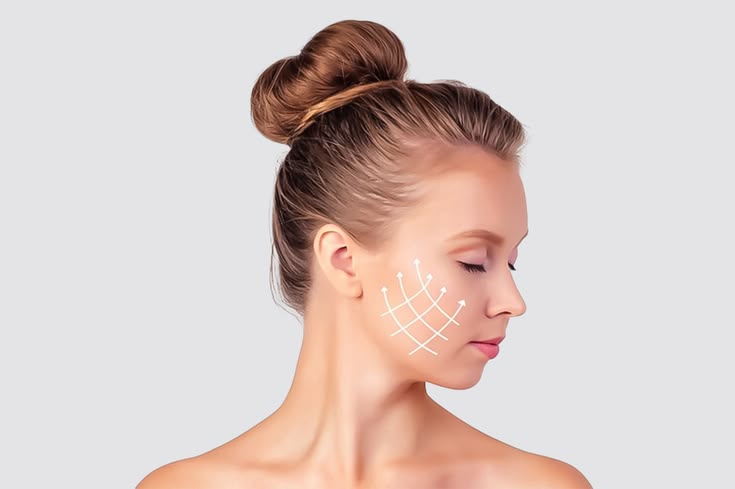
Facial appearance is influenced by the relationship between different features rather than by the size or shape of a single facial structure. Understanding the Importance of Facial Balance and Harmony can help people appreciate how the eyes, nose, lips, cheeks, chin, and jaw work together to create an overall appearance. Facial harmony is not about achieving one universal standard of beauty but about maintaining proportion and balance between individual features.
Modern aesthetic treatments increasingly focus on creating natural-looking results that complement a person’s existing facial characteristics. Understanding facial proportions can help individuals make informed decisions when considering cosmetic or reconstructive procedures.
What Is Facial Balance?
Facial balance refers to how the different structures of the face relate to one another. A feature may look different depending on the surrounding structures. For example, the appearance of the nose can be influenced by the size of the chin, the position of the lips, or the shape of the cheeks.
Balanced facial features do not necessarily mean that both sides of the face are perfectly identical. Natural faces usually have some degree of asymmetry. Instead, facial harmony generally refers to how comfortably the features work together visually.
The Role of Facial Proportions
Facial proportions are important when evaluating overall appearance. The upper, middle, and lower portions of the face contribute to its visual structure.
The relationship between the forehead, nose, lips, chin, and jaw can influence how the face is perceived from different angles. Similarly, the spacing and size of the eyes, cheekbones, and other features contribute to overall facial proportion.
Professionals assessing facial aesthetics often consider these relationships rather than focusing on one isolated feature.
The Nose and Facial Harmony
The nose occupies a central position on the face and can have a significant influence on overall facial appearance. Its width, length, projection, and relationship to the forehead, cheeks, lips, and chin may affect facial balance.
Changes to the nose can therefore influence the appearance of surrounding features. When nasal aesthetic procedures are considered, the goal is often to create a result that complements the rest of the face rather than making the nose look disconnected from other features.
The Importance of the Chin and Jawline
The chin and jawline contribute significantly to the lower third of the face. Their size, projection, and shape can affect the perceived profile and relationship between the nose and lower face.
A chin that appears relatively small may make the nose seem more prominent, while a stronger chin may create a different facial proportion. This demonstrates why evaluating the entire facial structure can be more useful than assessing one feature independently.
Cheeks and Midface Structure
The cheeks help define the middle portion of the face and contribute to facial contours. Cheekbone structure, soft-tissue volume, and the transition between the eyes, cheeks, and lower face all influence facial appearance.
Changes in facial volume naturally occur with age. Loss of volume in certain areas can alter contours and affect the perceived balance of the face.
Understanding these changes can help individuals distinguish between treatments aimed at restoring volume and those intended to reshape structural features.
Facial Symmetry and Natural Variation
Perfect symmetry is uncommon and is not necessary for facial harmony. Small differences between the left and right sides of the face are normal.
Factors such as genetics, aging, muscle movement, dental structure, previous injuries, and lifestyle can contribute to facial asymmetry. In some cases, noticeable asymmetry may be associated with underlying structural or medical factors.
A balanced approach recognizes natural individuality rather than attempting to create identical facial halves.
Facial Harmony and Aging
Aging affects the skin, soft tissues, fat compartments, muscles, and underlying bone. These changes can gradually alter facial proportions.
Skin may lose elasticity, while changes in facial volume can affect the cheeks, temples, lips, and lower face. The jawline may also become less defined over time.
Aesthetic approaches that consider the entire face can help address age-related changes while maintaining natural facial characteristics.
Why Individual Assessment Matters
Every face is different. Factors such as age, genetics, facial structure, skin characteristics, dental relationships, and personal preferences should be considered when evaluating facial aesthetics.
There is no single ideal facial proportion that applies to everyone. An individualized assessment can help determine which features contribute most to a person’s concerns and whether any treatment is appropriate.
A qualified medical professional can discuss realistic expectations, potential benefits, limitations, and risks before an aesthetic procedure.
Natural-Looking Results and Facial Harmony
Modern aesthetic care often emphasizes subtle and proportionate results. Overcorrecting one feature can sometimes make another feature appear more prominent or create an unnatural overall appearance.
For this reason, facial harmony should be considered when planning cosmetic treatments. The objective is not necessarily to change every feature but to understand how a specific change may affect the appearance of the face as a whole.
Supporting Facial Aesthetics Responsibly
Understanding the Importance of Facial Balance and Harmony encourages a more comprehensive approach to facial aesthetics. Instead of focusing solely on individual features, facial balance considers how the nose, eyes, cheeks, lips, chin, and jaw interact with one another.
Natural facial differences and asymmetry are normal, and aesthetic decisions should be based on individual goals rather than unrealistic standards. Anyone considering a cosmetic or reconstructive procedure should consult an appropriately qualified professional for a personalized assessment.
A thoughtful approach to facial harmony can help individuals make informed choices while maintaining their unique facial identity and seeking results that appear balanced and natural.
Dr. Ahmad Houmsie is a highly skilled plastic and aesthetic surgeon in Dubai, with extensive clinical training and international credentials. He offers advanced cosmetic procedures for the face and body — including rhinoplasty, liposuction, breast surgery, tummy tuck, facelifts, and more — using state‑of‑the‑art techniques tailored to each patient. For anyone seeking expert guidance and transformative results, booking a consultation directly with Dr. Ahmad Houmsie ensures personalized care and professional excellence.