
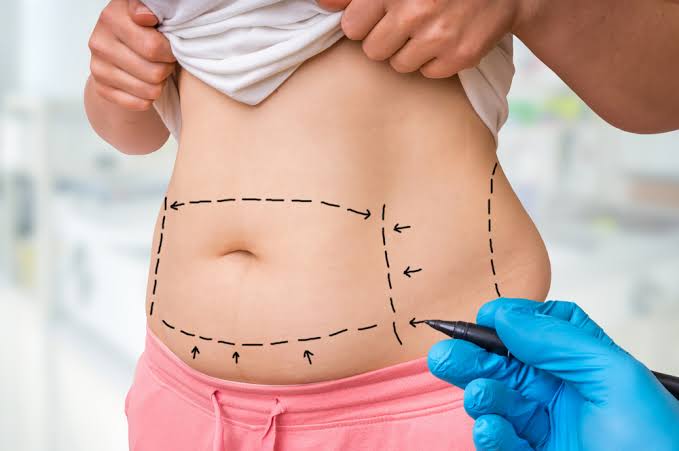
Surgical enhancement is a highly personalized field of aesthetic medicine that focuses on improving or refining physical features while respecting each individual’s unique anatomy. No two people have the same body structure, proportions, or aesthetic goals, which is why a customized approach is essential. Understanding Understanding Surgical Enhancement Across Different Body Types helps individuals appreciate how body shape, skin quality, muscle structure, and overall health influence treatment planning and outcomes.
Modern surgical enhancement is not about achieving a single beauty standard. Instead, it aims to create balanced, natural-looking results that complement an individual’s body proportions and personal goals. Careful evaluation, realistic expectations, and personalized planning are the foundation of successful outcomes.
What Is Surgical Enhancement?
Surgical enhancement refers to procedures designed to improve, reshape, or restore specific areas of the body. These procedures may address cosmetic concerns, age-related changes, or physical characteristics that individuals wish to enhance.
Depending on a person’s goals, surgical enhancement can focus on areas such as:
- Face
- Breasts
- Abdomen
- Arms
- Thighs
- Body contours
Each procedure is carefully planned to match the patient’s anatomy and desired results.
Why Body Type Matters
Every person has a unique body type that influences surgical planning and recovery. Factors such as bone structure, body proportions, fat distribution, skin elasticity, and muscle tone all affect the outcome of a procedure.
A personalized evaluation helps ensure that any enhancement complements the body’s natural balance rather than creating an unnatural appearance.
Understanding body type allows healthcare professionals to recommend procedures that are both safe and appropriate for the individual.
Common Body Types
While every individual is unique, body shapes are often grouped into general categories such as:
Pear-Shaped Body
This body type typically has narrower shoulders and a wider lower body.
Treatment planning often focuses on maintaining overall balance while respecting natural proportions.
Apple-Shaped Body
Individuals with this body type may carry more weight around the midsection.
Surgical planning considers body contouring options while evaluating overall health and skin quality.
Hourglass Body
This body shape is characterized by balanced upper and lower body proportions with a defined waist.
Enhancement plans typically aim to preserve these natural proportions.
Rectangle Body
People with a rectangular body shape generally have similar shoulder, waist, and hip measurements.
Treatment planning may focus on creating improved body definition while maintaining natural harmony.
The Importance of Personalized Consultation
One of the most important aspects of surgical enhancement is the initial consultation.
During the consultation, healthcare professionals evaluate:
- Body proportions
- Skin elasticity
- Fat distribution
- Muscle tone
- Medical history
- Lifestyle
- Personal goals
This comprehensive assessment helps determine the most suitable treatment approach.
Skin Quality and Elasticity
Skin plays a major role in surgical outcomes.
Factors evaluated include:
- Skin firmness
- Elasticity
- Thickness
- Previous scarring
- Stretch marks
Healthy skin generally supports better healing and smoother results, while reduced elasticity may influence the treatment plan.
Muscle Structure and Body Composition
Body composition varies significantly between individuals.
Healthcare professionals assess:
- Muscle development
- Fat distribution
- Overall body mass
- Physical fitness
These factors help determine realistic expectations and appropriate surgical techniques.
Setting Realistic Expectations
Every body responds differently to surgical enhancement.
Patients should understand that outcomes depend on several factors, including:
- Individual anatomy
- Healing response
- Procedure type
- Lifestyle habits
- Postoperative care
Clear communication between patients and healthcare providers helps establish realistic goals and improve satisfaction.
Recovery May Vary
Recovery experiences differ from one individual to another.
Factors affecting recovery include:
- Overall health
- Age
- Type of procedure
- Physical activity level
- Compliance with postoperative instructions
Following medical guidance is essential for optimal healing and long-term results.
The Role of Healthy Lifestyle Habits
Maintaining healthy habits before and after surgery supports better outcomes.
Recommended habits include:
- Eating a balanced diet
- Staying physically active
- Maintaining a stable weight
- Staying hydrated
- Avoiding smoking
- Getting adequate rest
A healthy lifestyle contributes to smoother recovery and longer-lasting results.
Advances in Surgical Planning
Modern technology has improved surgical planning through advanced diagnostic tools and imaging techniques.
These innovations help healthcare professionals:
- Assess body proportions
- Plan customized procedures
- Improve surgical precision
- Visualize potential outcomes
- Monitor recovery progress
Technology allows for greater accuracy and more personalized treatment plans.
Patient Safety Comes First
Safety is the highest priority in any surgical enhancement procedure.
Before recommending treatment, healthcare providers evaluate:
- Medical history
- Current medications
- Allergies
- Existing health conditions
- Overall fitness for surgery
Careful patient selection helps reduce risks and improve outcomes.
Choosing Qualified Professionals
Successful surgical enhancement depends heavily on the expertise of the healthcare provider.
When considering treatment, individuals should:
- Choose qualified and experienced professionals.
- Discuss goals honestly.
- Ask questions about the procedure and recovery.
- Understand the potential benefits and limitations.
- Follow all pre- and post-operative instructions.
A collaborative approach leads to safer and more satisfying results.
Future Trends in Personalized Surgical Enhancement
Advances in aesthetic medicine continue to make surgical enhancement more personalized.
Emerging developments include:
- Artificial intelligence-assisted treatment planning
- Three-dimensional body imaging
- Customized surgical simulations
- Regenerative medicine techniques
- Enhanced recovery protocols
- Precision surgical technologies
These innovations are improving safety, accuracy, and patient satisfaction.
Dr. Ahmad Houmsie is a highly skilled plastic and aesthetic surgeon in Dubai, with extensive clinical training and international credentials. He offers advanced cosmetic procedures for the face and body — including rhinoplasty, liposuction, breast surgery, tummy tuck, facelifts, and more — using state‑of‑the‑art techniques tailored to each patient. For anyone seeking expert guidance and transformative results, booking a consultation directly with Dr. Ahmad Houmsie ensures personalized care and professional excellence.