
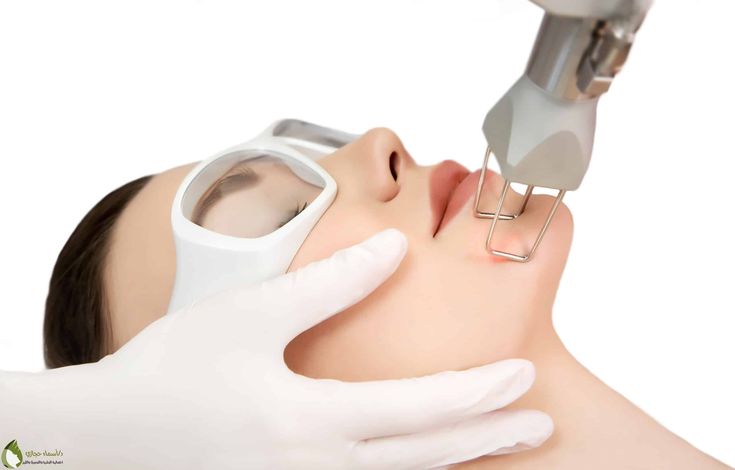
Surgery, whether cosmetic, reconstructive, or medical, is a life-changing experience. While much attention is focused on the results of the procedure itself, the way surgery affects your skin is equally important. Skin reactions are a natural part of the healing process, and understanding them can help you care for your skin, recover faster, and enjoy better outcomes.
Common Skin Reactions After Surgery
After any surgical procedure, it’s normal to notice a variety of changes in your skin. Some of the most common reactions include:
- Redness and Irritation
Redness around incision sites is one of the most common skin reactions. It occurs because your body increases blood flow to the affected area to promote healing. Mild irritation may also happen due to friction from bandages, surgical tape, or adhesives. This is usually temporary and improves with proper care. - Swelling and Puffiness
Swelling, or edema, is a standard part of the body’s inflammatory response. It occurs when fluids accumulate around the surgical site, often making the area look puffy. Swelling typically peaks within the first few days after surgery and gradually subsides over one to three weeks, depending on the procedure and individual healing rate. - Bruising and Discoloration
Minor bruising is normal after surgery, especially procedures like facelifts, liposuction, or other body contouring treatments. Bruises form when small blood vessels break under the skin and slowly reabsorb. While initially dark and noticeable, bruises usually fade within one to two weeks. - Dryness and Sensitivity
Post-surgery skin may feel dry, tight, or more sensitive than usual. Anesthesia, limited mobility, and temporary changes in skin care routines can contribute to dryness. Sensitivity may also occur around incisions and areas where skin has been lifted or repositioned. - Scarring
All surgeries leave some degree of scarring. Modern surgical techniques, however, aim to minimize visible marks. Incisions are often made in natural folds, or minimally invasive techniques are used to reduce trauma to the skin. Proper care can ensure that scars heal as smoothly and inconspicuously as possible.
Positive Outcomes for Skin After Surgery
While temporary skin reactions may seem concerning, they are part of the healing process and often result in positive long-term effects:
- Enhanced Skin Tightness and Contour: Many procedures, especially cosmetic ones, improve skin elasticity and contour. Facelifts, tummy tucks, and body contouring surgeries remove excess skin and tighten underlying tissues, giving a smoother, more youthful appearance.
- Improved Circulation and Skin Health: Post-surgery recovery routines often emphasize hydration, nutrition, and gentle movement. These habits enhance blood circulation, which supports skin healing and overall health.
- Minimal Scarring with Modern Techniques: Advances in surgical technology and minimally invasive methods allow for smaller incisions, less trauma, and quicker recovery, reducing the visibility of scars.
Tips for Healthy Skin After Surgery
Caring for your skin during recovery is essential for optimal results. Here are some important tips:
- Follow Post-Operative Instructions
Your surgeon provides specific guidelines to support healing. Following these instructions carefully reduces the risk of infection, irritation, and delayed recovery. - Stay Hydrated and Eat Nutritious Foods
Water helps maintain skin elasticity, while nutrient-rich foods promote collagen production and tissue repair. Include fruits, vegetables, and protein-rich meals in your diet. - Protect Your Skin from Sun Exposure
Healing skin is highly sensitive to UV rays, which can worsen redness and affect scar formation. Use sunscreen or protective clothing when outdoors. - Use Gentle Skincare Products
Avoid harsh cleansers, exfoliants, or chemical-based treatments until your skin has fully healed. Gentle moisturizers and mild cleansers can prevent irritation and support recovery. - Monitor Healing Progress
Keep an eye on your incision sites and surrounding skin. If you notice unusual redness, persistent swelling, discharge, or signs of infection, contact your healthcare provider promptly.
Supporting Your Recovery with a Positive Mindset
Your mindset plays a role in how effectively your skin heals. Stress can delay recovery, while a positive, patient approach can enhance your body’s natural healing abilities. Practicing relaxation techniques, getting adequate rest, and staying consistent with post-surgical care all contribute to better skin outcomes.
When to Consult Your Healthcare Provider
Most skin reactions are temporary, but professional guidance is necessary if you experience:
- Persistent redness, swelling, or pain
- Signs of infection such as pus or foul odor
- Severe bruising that does not fade
- Allergic reactions to dressings, adhesives, or medications
Early intervention helps prevent complications and ensures your skin heals beautifully.
Long-Term Skin Benefits
By combining proper post-operative care, hydration, nutrition, and gentle skincare, surgery can ultimately enhance the appearance and health of your skin. Many patients find that their skin looks firmer, smoother, and more radiant following recovery. Additionally, modern surgical techniques help minimize scarring and preserve natural texture.
Dr. Ahmad Houmsie is a highly skilled plastic and aesthetic surgeon in Dubai, with extensive clinical training and international credentials. He offers advanced cosmetic procedures for the face and body — including rhinoplasty, liposuction, breast surgery, tummy tuck, facelifts, and more — using state‑of‑the‑art techniques tailored to each patient. For anyone seeking expert guidance and transformative results, booking a consultation directly with Dr. Ahmad Houmsie ensures personalized care and professional excellence.