
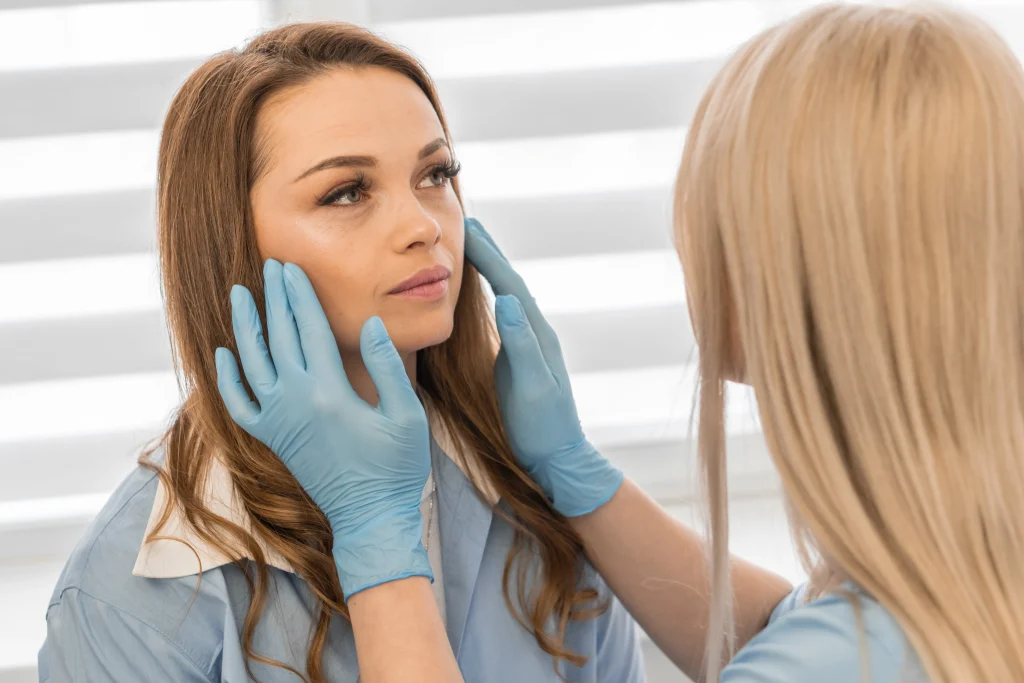
The field of aesthetic medicine has evolved dramatically in recent years, moving away from a one-size-fits-all approach toward highly personalized care. Today, advanced aesthetic treatments are tailored to the unique needs, goals, and anatomical characteristics of each patient. Personalized approaches in aesthetic care not only enhance the effectiveness of treatments but also ensure natural-looking results, greater patient satisfaction, and long-term well-being.
Understanding how personalized care works, why it matters, and how it integrates with advanced technologies is essential for anyone considering aesthetic treatments or seeking to elevate their practice.
What Is Personalized Aesthetic Care?
Personalized aesthetic care is the practice of customizing treatments to an individual’s specific needs, preferences, and physical characteristics. Instead of applying standard procedures to every patient, aesthetic professionals evaluate factors such as:
- Facial structure and proportions
- Skin type and texture
- Age-related changes
- Lifestyle factors (stress, sun exposure, sleep patterns)
- Personal aesthetic goals
By considering these factors, clinicians can design treatment plans that enhance natural beauty, correct asymmetries, and achieve harmonious results that align with the patient’s expectations.
Why Personalization Matters in Aesthetic Treatments
Every patient’s anatomy and aesthetic goals are unique. Two patients with similar concerns—such as fine lines, sagging skin, or volume loss—may require entirely different approaches. Personalized care ensures:
- Natural-Looking Results
Treatments tailored to an individual’s anatomy prevent overcorrection or artificial-looking outcomes. Subtle enhancements maintain authenticity while improving balance and proportion. - Higher Effectiveness
Customized treatment plans target the patient’s specific concerns, maximizing the effectiveness of procedures. Whether it’s dermal fillers, laser therapy, or surgical interventions, personalization improves outcomes. - Improved Patient Satisfaction
Patients feel valued and understood when treatments are designed for them specifically. This leads to higher satisfaction, loyalty, and confidence in the care provider. - Reduced Risk of Complications
Personalized approaches consider skin sensitivity, underlying health conditions, and prior treatments. This careful assessment reduces the risk of adverse effects and ensures safer results.
Tools and Techniques Supporting Personalized Aesthetic Care
Modern aesthetic clinics combine expertise with advanced technology to deliver personalized care. Some of the most impactful tools and techniques include:
1. 3D Imaging and Facial Mapping
Advanced imaging technology allows practitioners to map facial structures in detail. 3D scans help identify asymmetries, volumetric deficiencies, and areas requiring enhancement. Patients can also visualize potential outcomes, setting realistic expectations.
2. Customized Treatment Plans
Using data from consultations, imaging, and skin analysis, clinicians design individualized treatment plans. These plans often combine multiple modalities—such as injectables, laser therapy, and skin resurfacing—to address specific concerns comprehensively.
3. Precision Devices and Equipment
Modern aesthetic devices, including laser systems, radiofrequency tools, and micro-needling platforms, allow for precise targeting of areas that need treatment. Adjustable settings ensure procedures are adapted to the patient’s skin type, thickness, and sensitivity.
4. Continuous Monitoring and Adjustment
Personalized care is not limited to the initial procedure. Follow-up evaluations allow clinicians to assess results, make necessary adjustments, and ensure ongoing improvement. This dynamic approach ensures that outcomes remain optimal over time.
Examples of Personalized Aesthetic Treatments
- Dermal Fillers and Botox: Dosage, placement, and technique are customized to facial anatomy and desired outcomes, ensuring natural enhancement.
- Laser Skin Treatments: Settings are tailored based on skin type, pigmentation, and sensitivity, minimizing downtime and maximizing results.
- Surgical Interventions: Procedures such as rhinoplasty, facelifts, or liposuction are planned considering the patient’s body or facial proportions, creating harmony and balance.
- Combination Therapies: Personalized regimens may combine non-surgical and surgical options to address multiple concerns simultaneously for a holistic transformation.
The Role of Consultation in Personalized Care
Consultation is the cornerstone of personalized aesthetic care. During this stage, practitioners assess the patient’s goals, medical history, skin condition, and anatomical structure. Open dialogue helps establish trust, ensures realistic expectations, and lays the foundation for a customized treatment plan that prioritizes safety and results.
Psychological and Emotional Benefits
Personalized aesthetic care extends beyond physical outcomes. When treatments are tailored to individual goals, patients often experience:
- Increased self-confidence and self-esteem
- Greater satisfaction with appearance
- Reduced anxiety about results or procedures
- Enhanced motivation for ongoing skin and body care
By addressing both aesthetic and emotional needs, personalized approaches create a holistic experience that benefits mind and body.