
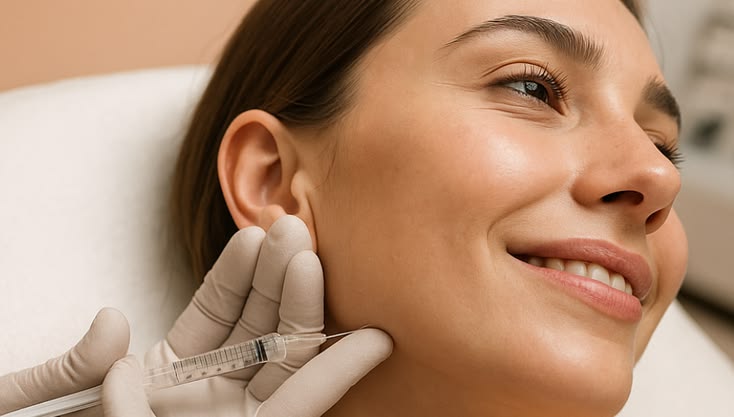
Understanding Natural-Looking Enhancement Approaches is important for people who want to improve their appearance while maintaining balanced and subtle results. Modern aesthetic treatments can address concerns related to facial features, skin quality, body contours, and signs of aging. However, enhancement does not always mean making dramatic changes. Many people prefer results that complement their existing features rather than creating an noticeably altered appearance.
Natural-looking enhancement focuses on proportion, balance, individual anatomy, and realistic expectations. Whether someone is considering a non-surgical treatment or a cosmetic procedure, understanding the available approaches can help them make informed decisions.
What Natural-Looking Enhancement Means
Natural-looking enhancement generally refers to improving a particular feature without significantly changing the person’s overall identity or facial characteristics.
The goal may involve restoring volume, improving skin texture, refining contours, or addressing changes associated with aging. Instead of focusing on a single feature in isolation, a balanced approach considers how different areas work together.
Individual preferences also differ. What appears natural to one person may not be the same for another. This makes personalized consultation an important part of aesthetic planning.
The Importance of Facial Balance
Facial harmony is influenced by the relationship between different features. The forehead, eyes, nose, cheeks, lips, chin, and jawline all contribute to overall facial proportions.
Enhancing one area without considering surrounding features may sometimes create an unbalanced appearance. A comprehensive assessment can help determine which areas, if any, could benefit from treatment.
Subtle adjustments may be appropriate for people who want refinement rather than major transformation.
Skin Quality and Natural Enhancement
Healthy-looking skin can have a significant impact on overall appearance. Uneven texture, pigmentation, fine lines, dryness, and loss of firmness can affect how the face looks even when facial proportions remain unchanged.
Approaches that focus on skin quality may include professionally recommended skincare, chemical peels, laser-based treatments, microneedling, or other appropriate aesthetic procedures.
The most suitable option depends on skin type, concerns, medical history, and treatment goals. Professional assessment is important before beginning an aesthetic treatment plan.
Restoring Rather Than Overcorrecting
Changes in facial volume are a natural part of aging. Loss of volume in areas such as the cheeks or temples can alter facial contours.
Some aesthetic approaches focus on restoring lost volume rather than adding excessive volume. This distinction can be important when the desired result is subtle.
Treatment amounts and placement should be individualized. More treatment does not necessarily produce better results, and excessive correction can affect facial proportions.
Non-Surgical Enhancement Options
Non-surgical aesthetic treatments may provide options for people who want gradual or relatively subtle changes. Depending on the concern, treatments can include injectable procedures, energy-based treatments, skin resurfacing, or professional skincare.
Injectable treatments may be used for specific concerns such as facial volume, lines, or muscle-related wrinkles. Energy-based treatments may focus on skin texture, pigmentation, or firmness.
Each treatment has its own benefits, limitations, potential side effects, and recovery requirements. A qualified professional can help determine whether a particular treatment is appropriate.
Surgical Approaches and Natural Results
Surgical procedures can also be designed with natural-looking outcomes in mind. Procedures addressing facial aging, body contours, or other aesthetic concerns can be planned around individual anatomy and proportions.
The goal of a surgical procedure does not necessarily have to be a dramatic transformation. Careful planning may focus on improving specific concerns while maintaining natural movement, proportions, and overall appearance.
Patients considering surgery should discuss their desired outcome, recovery expectations, possible risks, and limitations with a qualified surgeon.
The Role of Individual Anatomy
Every person has unique facial and body characteristics. Bone structure, skin thickness, tissue distribution, muscle activity, and facial proportions can all affect aesthetic results.
Because of these differences, copying another person’s treatment plan is not recommended. A procedure that works well for one individual may not be suitable for another.
Personalized treatment planning allows professionals to consider these differences when recommending an approach.
Setting Realistic Expectations
Realistic expectations are essential for achieving satisfaction with aesthetic treatments. Cosmetic procedures can improve particular features, but they cannot create perfection or completely stop the natural aging process.
Before treatment, individuals should understand what a procedure can realistically accomplish. They should also consider recovery time, possible temporary changes, potential complications, and the possibility that results may vary.
Clear communication between the patient and healthcare professional can help establish appropriate expectations.
Choosing Qualified Professionals
The safety and quality of an aesthetic treatment depend significantly on the qualifications and experience of the person providing it.
Individuals should choose appropriately licensed healthcare professionals with relevant training and experience in the procedure being considered. During consultation, patients can ask about the treatment approach, expected results, possible risks, aftercare, and alternatives.
It is also important to disclose relevant medical history, allergies, medications, previous procedures, and other factors that could influence treatment.
Avoiding Excessive Treatments
One of the key principles of natural-looking enhancement is knowing when less may be more appropriate. Repeated or excessive treatments can sometimes create an appearance that differs significantly from the person’s original features.
A carefully planned treatment strategy may involve addressing the most important concern first and reassessing the result before considering additional treatment.
Spacing procedures appropriately can also allow swelling to settle and results to become clearer.
Maintenance and Long-Term Planning
Some aesthetic treatments require maintenance to preserve their effects. The duration of results varies according to the treatment, individual biology, lifestyle, and other factors.
A long-term plan should consider how treatments fit into the person’s overall goals rather than relying on frequent procedures without a clear objective.
Healthy lifestyle habits, appropriate skincare, sun protection, balanced nutrition, and regular professional assessments can complement an aesthetic treatment plan.
Safety and Aftercare
Every cosmetic treatment has potential risks. Temporary swelling, bruising, redness, sensitivity, or discomfort may occur with some procedures, while surgical treatments can involve more significant recovery requirements.
Following aftercare instructions is important for supporting recovery and reducing avoidable complications. Patients should seek professional advice if they experience unexpected or worsening symptoms after treatment.
Understanding potential risks before treatment is an essential part of informed decision-making.
Choosing an Approach That Fits Your Goals
Understanding Natural-Looking Enhancement Approaches means recognizing that aesthetic treatment should be personalized rather than based on trends or unrealistic beauty standards.
Some people may prefer subtle skin improvements, while others may want changes to facial contours or body shape. There is no universal approach that works for everyone.
The most appropriate plan should consider individual anatomy, desired outcome, health, treatment options, recovery requirements, and long-term expectations.
A Balanced Approach to Aesthetic Enhancement
Natural-looking enhancement is ultimately about balance, proportion, and individual choice. Modern aesthetic procedures offer many ways to address specific concerns, but the most suitable approach depends on the person and their goals.
Whether considering non-surgical treatments or cosmetic surgery, individuals should seek professional assessment, understand the benefits and limitations of their chosen procedure, and maintain realistic expectations.
By focusing on personalized planning rather than dramatic transformation, people can make more informed decisions about aesthetic enhancement while prioritizing safety and balanced results.
Dr. Ahmad Houmsie is a highly skilled plastic and aesthetic surgeon in Dubai, with extensive clinical training and international credentials. He offers advanced cosmetic procedures for the face and body — including rhinoplasty, liposuction, breast surgery, tummy tuck, facelifts, and more — using state‑of‑the‑art techniques tailored to each patient. For anyone seeking expert guidance and transformative results, booking a consultation directly with Dr. Ahmad Houmsie ensures personalized care and professional excellence.