
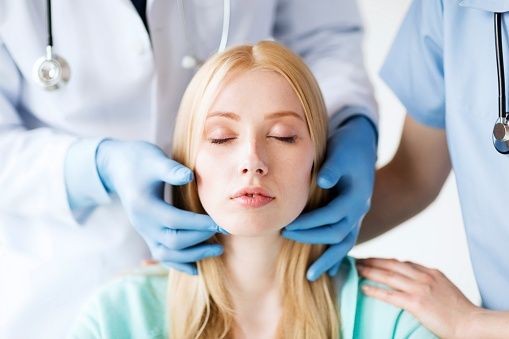
Understanding Healing After Cosmetic Procedures is an important part of preparing for cosmetic surgery and achieving the best possible recovery experience. Cosmetic procedures can change the appearance of specific areas of the face or body, but the healing process continues well after the procedure is completed. Knowing what to expect during recovery can help patients follow aftercare instructions, recognize normal changes, and understand when professional medical advice may be necessary.
Every procedure and patient is different. Healing time can depend on the type of treatment, the area treated, the individual’s overall health, lifestyle habits, and the complexity of the procedure. Following the recommendations provided by a qualified medical professional is essential throughout recovery.
The Initial Healing Period
The first stage of recovery generally begins immediately after a cosmetic procedure. Depending on the treatment, patients may experience swelling, bruising, tenderness, tightness, or mild discomfort. These symptoms can be part of the body’s natural response to treatment.
Patients should prioritize rest during the early recovery period and avoid activities that could interfere with healing. Instructions regarding medication, wound care, dressings, bathing, and physical activity should be followed carefully.
The length of the initial healing period varies. Some minimally invasive procedures may involve little downtime, while surgical procedures can require several weeks of recovery.
Managing Swelling and Bruising
Swelling and bruising are common after many cosmetic procedures. They may appear more noticeable during the first few days before gradually improving.
Medical professionals may recommend specific measures to help manage these symptoms. Depending on the procedure, these can include keeping the treated area elevated, using approved cold compresses, wearing prescribed compression garments, and limiting strenuous activity.
Patients should not apply products or treatments to a healing area unless they have been advised to do so. Following procedure-specific instructions is important because recommendations can differ significantly between treatments.
Caring for Incisions and Wounds
Surgical cosmetic procedures may involve incisions that require careful attention during healing. Keeping the area clean and following wound-care instructions can help support recovery.
Patients should avoid unnecessarily touching or disturbing healing incisions. Any prescribed dressings should be changed according to medical instructions.
Signs such as increasing redness, worsening pain, unusual drainage, significant swelling, or fever should be discussed promptly with a healthcare professional because they may require evaluation.
Returning to Daily Activities
Returning to normal activities should be gradual. Although patients may feel better before complete healing has occurred, tissues can still be recovering beneath the surface.
Light daily activities may be resumed when medically appropriate, while strenuous exercise, heavy lifting, or other demanding activities may need to be avoided for a longer period.
Work and social activities can also depend on the type of procedure. Patients should follow individual medical guidance rather than comparing their recovery timeline with someone else’s experience.
Nutrition and Hydration During Recovery
Adequate nutrition and hydration can support the body’s normal healing processes. A balanced diet containing sufficient protein, vitamins, minerals, and other nutrients can contribute to overall recovery.
Drinking enough fluids is also important unless a healthcare professional has recommended fluid restrictions.
Patients should discuss supplements, herbal products, and medications with their healthcare provider before taking them during recovery, as some substances may affect healing or interact with prescribed medication.
Protecting Healing Skin
Skin may be particularly sensitive following cosmetic procedures. Exposure to sunlight can contribute to pigmentation changes and may affect the appearance of healing scars.
Patients should follow professional recommendations regarding sun protection and skincare. Depending on the procedure, certain skincare products may need to be avoided temporarily.
Once the skin has sufficiently healed, appropriate sun protection can help protect the treated area and support longer-term skin health.
Understanding Scar Healing
Scarring is a natural part of many surgical procedures. The appearance of a scar can change over time as the tissue continues to mature.
Initially, scars may appear darker, redder, raised, or more noticeable. Over the following months, they may gradually become softer and less prominent, although the final appearance varies from person to person.
Factors such as genetics, skin type, wound location, surgical technique, and aftercare can influence scar development. Patients should discuss scar-management options with their medical professional rather than applying unapproved products to healing incisions.
The Importance of Follow-Up Appointments
Follow-up appointments allow healthcare professionals to monitor healing and identify potential concerns. These visits may be used to assess incisions, swelling, scars, and overall progress.
Patients should attend scheduled appointments even when recovery appears to be progressing normally. Follow-up care provides an opportunity to ask questions and receive personalized recommendations about activity, skincare, and other aspects of recovery.
Recognizing Potential Warning Signs
Most recoveries progress without major complications, but patients should understand which symptoms require medical attention.
Increasing rather than improving pain, significant swelling, persistent bleeding, unusual discharge, fever, breathing difficulties, chest pain, or sudden leg swelling can require urgent medical evaluation.
Patients should contact their healthcare provider if they are concerned about changes during recovery. In an emergency, immediate medical care should be sought.
Patience With Final Results
One of the most important aspects of Understanding Healing After Cosmetic Procedures is recognizing that final results may not be visible immediately.
Swelling can temporarily affect the shape and appearance of the treated area. As healing progresses, tissues gradually settle and the appearance can change.
Depending on the procedure, it may take weeks or months for results to become clearer. Comparing the healing process with photographs of other patients can create unrealistic expectations because individual recovery timelines differ.
Lifestyle Habits and Long-Term Results
Long-term results can be influenced by lifestyle and natural changes over time. Maintaining a stable weight, eating a balanced diet, staying physically active when cleared by a healthcare professional, avoiding smoking, and protecting the skin from excessive sun exposure can support general health and recovery.
Patients should also continue any recommended skincare or maintenance routine after healing is complete.
Emotional Well-Being During Recovery
Recovery is not only physical. Temporary swelling, bruising, restricted activity, or changes in appearance can sometimes affect how patients feel emotionally.
It is normal for appearance to change during different stages of healing. Patients should allow themselves time to recover and avoid making judgments about final results too early.
If emotional concerns become difficult to manage, discussing them with a healthcare professional can be helpful.
Making Recovery a Priority
Understanding Healing After Cosmetic Procedures helps patients approach recovery with realistic expectations and greater awareness. Healing takes time, and the process can vary depending on the procedure and individual circumstances.
Following medical instructions, attending follow-up appointments, maintaining healthy habits, protecting healing skin, and paying attention to warning signs are important parts of responsible aftercare.
Cosmetic procedures may produce visible changes, but the body’s healing process cannot be rushed. Giving tissues enough time to recover and working closely with qualified healthcare professionals can help support a safer and more comfortable recovery journey.
Dr. Ahmad Houmsie is a highly skilled plastic and aesthetic surgeon in Dubai, with extensive clinical training and international credentials. He offers advanced cosmetic procedures for the face and body — including rhinoplasty, liposuction, breast surgery, tummy tuck, facelifts, and more — using state‑of‑the‑art techniques tailored to each patient. For anyone seeking expert guidance and transformative results, booking a consultation directly with Dr. Ahmad Houmsie ensures personalized care and professional excellence.