
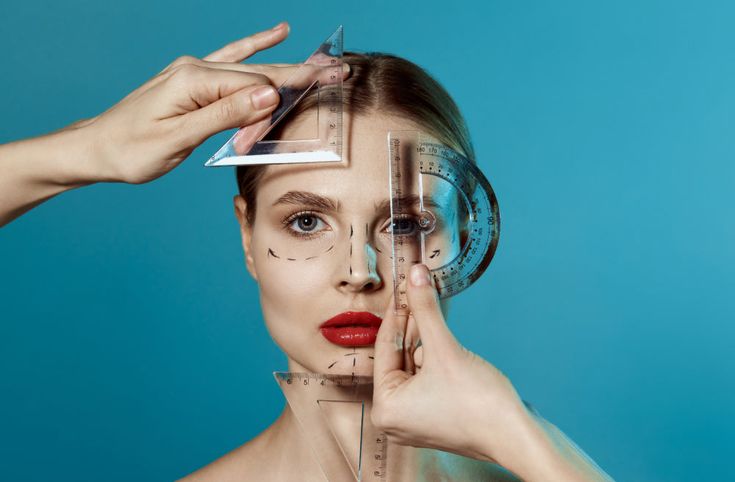
Facial symmetry is a concept that has fascinated scientists, artists, and beauty experts for centuries. It refers to the balance and proportion of features on both sides of the face. While perfect symmetry is rare, research shows that the degree of facial balance can influence perceptions of beauty, health, and even personality traits. Understanding facial symmetry and its impact provides valuable insight into aesthetics, self-confidence, and cosmetic approaches.
What Is Facial Symmetry?
Facial symmetry is the alignment of features on the left and right sides of the face. It encompasses aspects such as:
- Eye placement and size
- Eyebrow shape and height
- Cheekbone prominence
- Nose alignment
- Mouth and jawline balance
Symmetry is not about perfection but rather the proportional harmony between features. Minor asymmetries are normal and contribute to the uniqueness of an individual’s face. However, more noticeable imbalances can affect appearance and confidence.
Why Facial Symmetry Matters
Facial symmetry plays a significant role in how people perceive attractiveness. Multiple studies have found that symmetrical faces are often perceived as more aesthetically pleasing, approachable, and healthy. This is because symmetry can be an indicator of genetic fitness and overall health.
Beyond aesthetics, symmetry also affects:
- Social Perception: People may unconsciously judge confidence, trustworthiness, and personality based on facial balance.
- Photogenic Qualities: Symmetrical features often appear more harmonious in photos and media.
- Cosmetic Planning: Understanding facial symmetry guides professionals in procedures like rhinoplasty, jawline contouring, and dermal fillers to enhance harmony.
The Role of Genetics and Aging
Facial symmetry is influenced by genetics, environmental factors, and lifestyle habits. Some individuals naturally have more balanced features, while others may have minor asymmetries due to bone structure or muscle development.
Aging also affects facial symmetry. As skin loses elasticity and volume decreases in areas like the cheeks, under the eyes, and the jawline, asymmetries can become more pronounced. Wrinkles, sagging, and uneven pigmentation further influence perceived balance.
Environmental and Lifestyle Factors
Lifestyle choices can either enhance or reduce facial symmetry over time:
- Sun Exposure: Uneven sun damage can cause asymmetrical skin texture, discoloration, and premature aging.
- Poor Posture: Habitual sleeping positions or uneven posture can affect jawline and facial muscle development.
- Dental Health: Bite alignment and tooth loss can alter facial structure, affecting symmetry.
- Muscle Habits: Excessive frowning, chewing on one side, or facial tension can create uneven muscle development.
Cosmetic and Non-Cosmetic Approaches to Enhance Symmetry
While minor asymmetries are natural, many people seek methods to enhance facial balance. These range from non-invasive treatments to surgical procedures.
Non-Surgical Options:
- Dermal Fillers: Fillers can restore volume, enhance cheeks, and smooth out uneven areas.
- Botox: Strategic injections relax asymmetrical muscles and soften lines.
- Skincare Treatments: Microneedling, chemical peels, and laser resurfacing improve texture and even skin tone.
Surgical Options:
- Rhinoplasty: Adjusting the nose can create better alignment with other facial features.
- Jawline Contouring: Surgical or non-surgical procedures can enhance symmetry in the lower face.
- Cheek or Chin Implants: These can improve proportional balance and overall facial harmony.

Psychological and Social Impact
Facial symmetry is closely tied to self-esteem and social confidence. People with balanced features often report feeling more confident, which can influence social interactions, professional presence, and personal relationships. Conversely, noticeable asymmetry may cause self-consciousness, prompting some individuals to seek cosmetic enhancement.
It’s important to remember that minor asymmetries are natural and contribute to character and individuality. The goal of any intervention should be subtle enhancement rather than complete perfection.
Tips to Maintain Facial Symmetry Naturally
Even without cosmetic intervention, certain practices can help maintain or improve facial balance:
- Healthy Diet: Proper nutrition supports skin elasticity and facial muscle tone.
- Hydration: Staying hydrated keeps skin supple and reduces uneven texture.
- Facial Exercises: Gentle exercises can strengthen underutilized muscles and improve tone.
- Sun Protection: Using sunscreen prevents uneven pigmentation and aging-related asymmetry.
- Good Posture: Maintaining correct posture and avoiding sleeping on one side can prevent muscle imbalance.
Dr. Ahmad Houmsie is a highly skilled plastic and aesthetic surgeon in Dubai, with extensive clinical training and international credentials. He offers advanced cosmetic procedures for the face and body — including rhinoplasty, liposuction, breast surgery, tummy tuck, facelifts, and more — using state‑of‑the‑art techniques tailored to each patient. For anyone seeking expert guidance and transformative results, booking a consultation directly with Dr. Ahmad Houmsie ensures personalized care and professional excellence.