
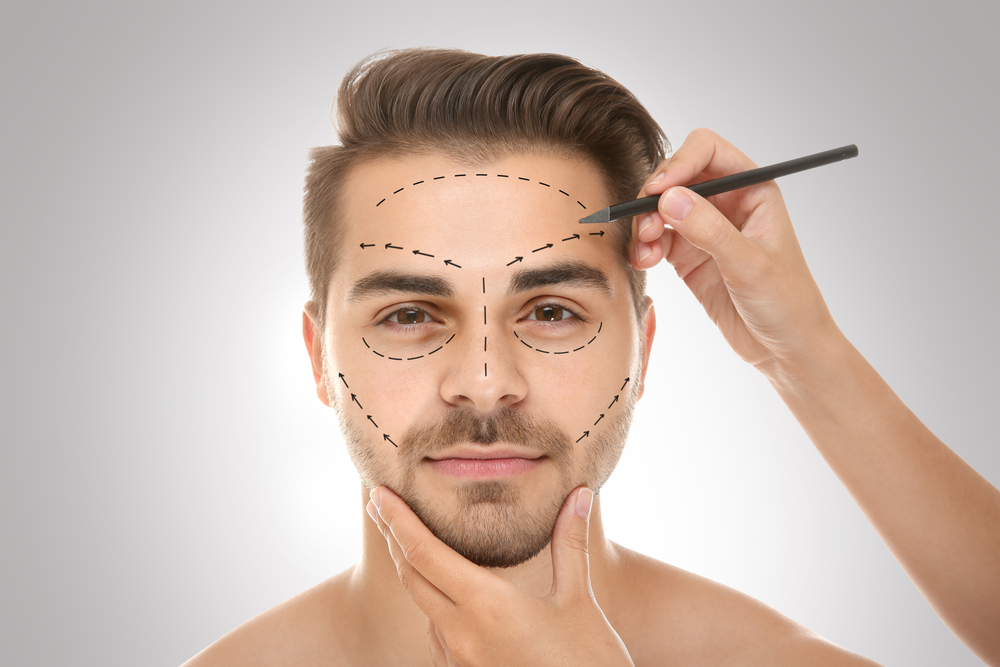
Facial appearance plays a major role in self-confidence, identity, and overall aesthetic balance. Every face has a unique structure formed by bones, muscles, skin, and soft tissues that work together to create symmetry and expression. In modern aesthetic medicine, understanding facial structure is essential for achieving natural-looking surgical refinement and long-lasting results.
Surgical refinement is not simply about changing a facial feature. It involves carefully enhancing facial harmony while preserving individuality. Whether addressing aging concerns, asymmetry, or cosmetic improvements, surgeons focus on balancing proportions and improving overall facial aesthetics. Understanding facial structure and surgical refinement helps patients make informed decisions about facial procedures while appreciating the science and artistry involved in modern facial enhancement.
The Importance of Facial Structure in Aesthetic Balance
Facial structure refers to the underlying framework of the face, including the bones, muscles, fat distribution, and skin quality. These elements determine facial shape, contours, and overall symmetry.
Key components of facial structure include:
- Forehead and brow position
- Cheekbone prominence
- Jawline definition
- Chin projection
- Nose shape and alignment
- Skin elasticity and soft tissue volume
A balanced facial structure contributes to an aesthetically pleasing appearance. Even minor imbalances between these features can affect facial harmony. Surgical refinement aims to improve proportion while maintaining a natural look.
Understanding Facial Symmetry and Proportion
Facial symmetry is often associated with attractiveness and balance. While no face is perfectly symmetrical, proportional harmony between facial features creates a more refined appearance.
Surgeons often evaluate facial proportions using aesthetic principles such as:
- Horizontal facial thirds
- Vertical facial fifths
- Chin-to-nose balance
- Jawline contour alignment
- Eye and eyebrow positioning
These measurements help determine which areas may benefit from refinement. Rather than changing the face dramatically, modern procedures focus on subtle improvements that enhance overall balance.
The Role of Bone Structure in Facial Refinement
Bone structure forms the foundation of the face and greatly influences appearance. Features such as high cheekbones, a defined jawline, or a balanced chin are often linked to facial attractiveness.
Facial refinement procedures may involve reshaping or enhancing bone-related structures to improve facial harmony. Common areas include:
Jawline Refinement
A well-defined jawline creates facial structure and contour. Surgical refinement can improve jaw symmetry and create a sharper profile.
Chin Enhancement
The chin plays a major role in balancing facial proportions. Chin refinement may improve projection and profile harmony.
Nasal Structure Adjustment
The nose is centrally positioned and significantly affects facial balance. Surgical refinement can adjust nasal shape, size, or alignment to complement surrounding features.
Bone structure assessment is essential before any facial procedure to ensure balanced and natural-looking results.
Soft Tissue and Skin in Facial Aesthetics
While bone structure provides the framework, soft tissue and skin determine facial smoothness, contour, and youthful appearance. Aging, weight changes, and environmental factors can affect skin elasticity and facial volume.
Surgical refinement often focuses on improving:
- Facial sagging
- Volume loss
- Wrinkles and folds
- Skin laxity
- Uneven contours
Modern techniques aim to reposition and preserve soft tissue rather than create an over-tightened appearance. This helps maintain natural facial movement and expression.
Facial Aging and Structural Changes
As people age, facial structure naturally changes over time. Bone density decreases, fat pads shift, and skin loses collagen and elasticity. These changes can affect facial contours and overall balance.
Common signs of facial aging include:
- Hollow cheeks
- Drooping jawline
- Loose neck skin
- Deep facial folds
- Reduced skin firmness
Surgical refinement procedures address these structural changes while restoring youthful definition and facial harmony.
Personalized Surgical Refinement Approaches
Every face is unique, which means facial refinement procedures should always be personalized. Modern facial surgery focuses on individualized treatment planning based on:
- Facial anatomy
- Skin quality
- Ethnic characteristics
- Gender-specific features
- Patient goals and expectations
Personalized refinement ensures results that enhance natural beauty rather than create an artificial appearance.
The Importance of Natural-Looking Results
One of the most significant advancements in facial refinement is the focus on natural-looking outcomes. Patients increasingly prefer subtle enhancements that improve appearance without dramatically changing their identity.
Natural refinement focuses on:
- Preserving facial expressions
- Maintaining facial individuality
- Avoiding overcorrection
- Enhancing balance instead of exaggeration
This approach creates long-lasting aesthetic improvements that appear harmonious and authentic.
Technology and Precision in Facial Refinement
Advanced technology has significantly improved the accuracy and safety of facial refinement procedures. Modern imaging systems and digital planning tools allow surgeons to analyze facial structure in detail before treatment.
Technological advancements may include:
- 3D facial imaging
- Digital surgical simulations
- Precision surgical instruments
- Minimally invasive techniques
- Advanced skin tightening technologies
These innovations help improve surgical planning, patient communication, and overall treatment outcomes.
Psychological Benefits of Facial Refinement
Facial appearance can strongly influence self-esteem and confidence. Many individuals seek surgical refinement to address concerns that affect how they feel about their appearance.
When performed thoughtfully and realistically, facial refinement may help improve:
- Self-confidence
- Social comfort
- Personal satisfaction
- Emotional well-being
However, realistic expectations and proper consultation are essential for achieving positive experiences and results.
Recovery and Long-Term Care
Recovery after facial refinement varies depending on the procedure and individual healing process. Proper post-treatment care plays an important role in maintaining results and supporting healing.
Important aspects of recovery include:
- Following aftercare instructions
- Managing swelling and bruising
- Protecting the skin from sun exposure
- Maintaining healthy lifestyle habits
- Attending follow-up appointments
Long-term care and healthy skincare routines can help preserve surgical results and support overall facial health.
The Future of Facial Surgical Refinement
Facial refinement continues to evolve with advancements in regenerative medicine, minimally invasive procedures, and personalized treatment planning. Future developments may focus on:
- Regenerative tissue therapies
- AI-assisted facial analysis
- Advanced skin rejuvenation methods
- Less invasive recovery techniques
- Highly customized treatment approaches
These innovations are expected to further improve safety, comfort, and natural-looking outcomes.
Dr. Ahmad Houmsie is a highly skilled plastic and aesthetic surgeon in Dubai, with extensive clinical training and international credentials. He offers advanced cosmetic procedures for the face and body — including rhinoplasty, liposuction, breast surgery, tummy tuck, facelifts, and more — using state‑of‑the‑art techniques tailored to each patient. For anyone seeking expert guidance and transformative results, booking a consultation directly with Dr. Ahmad Houmsie ensures personalized care and professional excellence.