
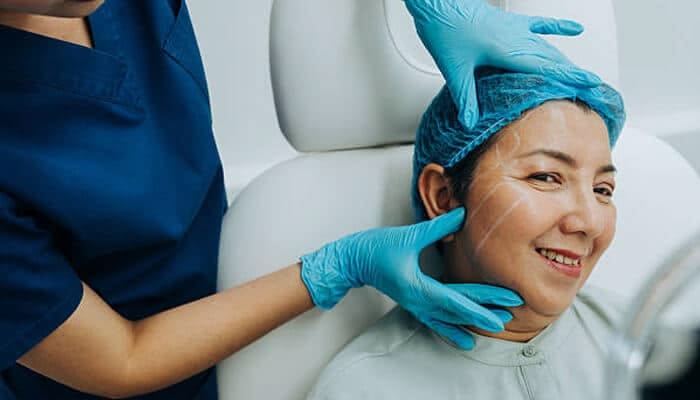
Recovering from plastic surgery is an important part of achieving the best possible results. While the procedure itself is performed by a qualified surgeon, the recovery process largely depends on how well patients follow post-operative instructions and care for themselves during healing. Whether you have undergone a facelift, rhinoplasty, liposuction, breast surgery, or another cosmetic procedure, understanding the recovery process can help minimize complications and support optimal outcomes.
Following these tips for a smooth recovery after plastic surgery can help you heal comfortably, reduce risks, and enjoy your results more quickly.
Why Recovery Matters
The healing period is when your body repairs tissues and adapts to the changes made during surgery. Proper recovery not only improves comfort but also helps reduce swelling, prevent infections, and enhance the final appearance of your results.
Neglecting post-surgical care can slow healing and increase the risk of complications.
1. Follow Your Surgeon’s Instructions
Your plastic surgeon will provide detailed recovery guidelines based on your specific procedure. These instructions are designed to support healing and minimize risks.
Important recommendations may include:
- Taking medications as prescribed
- Caring for surgical incisions properly
- Attending follow-up appointments
- Avoiding certain activities
Following these instructions carefully is one of the most effective ways to ensure a smooth recovery.
2. Get Plenty of Rest
Rest is essential after plastic surgery. Your body needs energy to heal and recover.
During the first few days:
- Prioritize sleep
- Avoid unnecessary physical activity
- Create a comfortable recovery space
- Allow your body time to heal
Adequate rest can help reduce fatigue and support the healing process.
3. Stay Hydrated
Drinking enough water is important for recovery and overall health.
Proper hydration helps:
- Support tissue repair
- Reduce swelling
- Improve circulation
- Prevent dehydration
Aim to drink water regularly throughout the day unless advised otherwise by your healthcare provider.
4. Eat a Nutritious Diet
A healthy diet provides the nutrients your body needs for healing.
Focus on foods rich in:
- Protein
- Vitamins
- Minerals
- Antioxidants
Good choices include:
- Lean meats
- Fish
- Eggs
- Fruits
- Vegetables
- Whole grains
Proper nutrition can promote faster recovery and strengthen the immune system.
5. Avoid Smoking and Alcohol
Smoking and excessive alcohol consumption can interfere with healing and increase the risk of complications.
Smoking may:
- Reduce blood flow
- Delay wound healing
- Increase infection risk
Alcohol can contribute to dehydration and interfere with medications. It is generally best to avoid both during the recovery period.
6. Manage Swelling and Bruising
Swelling and bruising are common after plastic surgery and typically improve over time.
To help reduce swelling:
- Follow your surgeon’s recommendations
- Use cold compresses if advised
- Keep the treated area elevated when appropriate
- Wear compression garments if prescribed
Patience is important, as some swelling may take weeks or months to fully resolve.
7. Take Medications as Directed
Your surgeon may prescribe medications to help manage pain, reduce infection risk, and support recovery.
Always:
- Follow dosage instructions carefully
- Avoid self-medicating without approval
- Inform your healthcare provider of any side effects
Proper medication use can make recovery more comfortable and safer.
8. Avoid Strenuous Activities
Physical exertion too soon after surgery can interfere with healing and increase the risk of complications.
Avoid:
- Heavy lifting
- Intense exercise
- High-impact activities
- Sudden movements
Your surgeon will advise when it is safe to gradually return to normal activities.
9. Protect Surgical Incisions
Incision care is crucial for preventing infection and minimizing scarring.
Helpful practices include:
- Keeping incisions clean and dry
- Avoiding unnecessary touching
- Following wound care instructions
- Monitoring for signs of infection
Proper care supports healthy healing and better cosmetic results.
10. Attend Follow-Up Appointments
Regular follow-up visits allow your surgeon to monitor your progress and address any concerns.
These appointments help:
- Evaluate healing
- Remove sutures if necessary
- Detect complications early
- Ensure recovery is progressing as expected
Never skip scheduled follow-up visits.
11. Be Patient with the Healing Process
Plastic surgery results often take time to fully develop. Initial swelling, bruising, and discomfort are normal parts of recovery.
Remember that:
- Healing varies between individuals
- Final results may take several weeks or months
- Gradual improvements are expected
Patience can help reduce stress and support a positive recovery experience.
12. Watch for Warning Signs
Although complications are uncommon, patients should be aware of symptoms that require medical attention.
Contact your healthcare provider if you experience:
- Persistent fever
- Excessive bleeding
- Severe pain
- Difficulty breathing
- Unusual swelling
- Signs of infection
Prompt medical attention can help prevent more serious problems.
Common Mistakes to Avoid During Recovery
To support healing, avoid:
- Ignoring medical advice
- Returning to work too soon
- Skipping medications
- Smoking
- Overexerting yourself
- Missing follow-up appointments
Avoiding these mistakes can contribute to a smoother recovery process.
Benefits of Proper Recovery Care
Following recovery guidelines can help:
- Reduce complications
- Improve comfort
- Minimize scarring
- Enhance surgical outcomes
- Support faster healing
- Increase satisfaction with results
A successful recovery is an important part of achieving the desired outcome from plastic surgery.
Dr. Ahmad Houmsie is a highly skilled plastic and aesthetic surgeon in Dubai, with extensive clinical training and international credentials. He offers advanced cosmetic procedures for the face and body — including rhinoplasty, liposuction, breast surgery, tummy tuck, facelifts, and more — using state‑of‑the‑art techniques tailored to each patient. For anyone seeking expert guidance and transformative results, booking a consultation directly with Dr. Ahmad Houmsie ensures personalized care and professional excellence.