
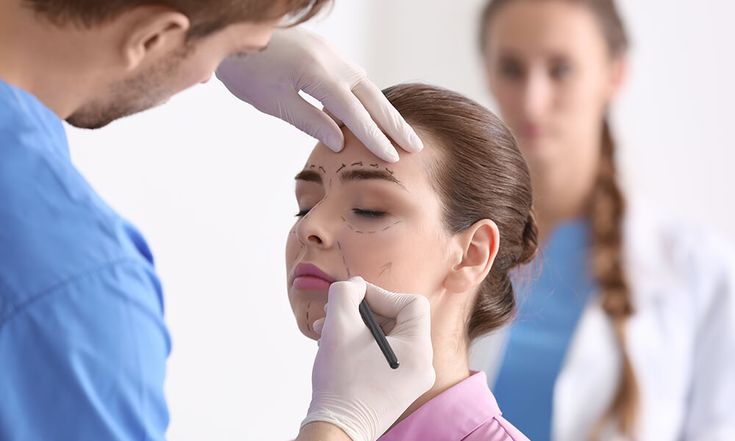
Technology has transformed many aspects of modern plastic surgery, from how procedures are planned to how patients are monitored during recovery. Advances in imaging, surgical instruments, digital planning, and minimally invasive techniques have given plastic surgeons more tools to assess individual needs and perform procedures with greater precision.
Modern plastic surgery is not only focused on changing appearance. Reconstructive procedures can also help restore function and appearance after injuries, burns, cancer treatment, congenital conditions, or other medical concerns. Technology can support both cosmetic and reconstructive procedures by helping surgeons understand anatomy and develop personalized treatment plans.
Advanced Imaging for Better Treatment Planning
Imaging technology plays an important role before many plastic surgery procedures. High-resolution photographs, 3D imaging, and other imaging methods can provide detailed information about a patient’s anatomy.
Three-dimensional imaging may allow surgeons and patients to visualize areas of the body from different angles. In selected procedures, this technology can help with treatment planning and communication about expected changes.
Imaging can also help surgeons identify asymmetries and consider proportions when developing an individualized surgical approach.
3D Simulation and Digital Planning
Digital simulation has become a useful tool for discussing surgical goals. Depending on the procedure and technology available, patients may be able to see a computer-generated representation of possible changes.
These simulations are generally used for communication and planning rather than as a guarantee of the final result. Healing, tissue characteristics, surgical technique, and individual anatomy can all affect the outcome.
Digital planning can nevertheless make consultations more informative by helping patients explain their expectations and helping surgeons understand their desired goals.
Precision in Surgical Procedures
Modern surgical technology has contributed to greater precision in many procedures. Specialized instruments, improved lighting, magnification systems, and advanced surgical equipment can help surgeons work carefully with delicate tissues.
In reconstructive and microsurgical procedures, advanced techniques can support the connection of very small blood vessels and nerves. These developments have expanded the possibilities for reconstructive surgery and tissue restoration.
Minimally Invasive Techniques
Some cosmetic and reconstructive procedures can be performed using minimally invasive approaches. Smaller incisions may be used in selected treatments, depending on the procedure and the patient’s anatomy.
Minimally invasive techniques may offer benefits such as smaller scars and potentially shorter recovery periods in appropriate cases. However, not every patient or procedure is suitable for these approaches, and the surgical method should be selected based on individual clinical needs.
Laser and Energy-Based Technologies
Laser and other energy-based technologies are used in several areas of aesthetic medicine and skin treatment. Depending on the device, these technologies may be used for concerns such as certain types of scarring, pigmentation, skin texture, or unwanted hair.
In plastic surgery practices, energy-based treatments may sometimes complement surgical procedures. Proper patient assessment is important because skin type, treatment area, medical history, and the specific condition being treated can influence the suitability of a particular technology.
Technology in Reconstructive Surgery
Technology has had a significant impact on reconstructive surgery. Patients who have experienced trauma, burns, cancer surgery, or congenital differences may benefit from advanced reconstructive techniques.
3D printing and computer-assisted planning are being explored and used in various medical applications, including the creation of customized surgical models and implants in appropriate circumstances. These technologies can help surgeons plan complex procedures based on a patient’s individual anatomy.
Improved Patient Monitoring
Technology is also important during and after surgery. Modern monitoring equipment allows healthcare teams to continuously track vital signs such as heart rate, blood pressure, oxygen levels, and other important measurements during procedures.
After surgery, digital communication and remote follow-up tools may also help healthcare teams monitor recovery in appropriate situations. Patients can report concerns and receive guidance about wound care, medications, appointments, and recovery instructions.
Artificial Intelligence in Plastic Surgery
Artificial intelligence is becoming an area of interest across healthcare, including plastic surgery. AI-based tools may assist with image analysis, treatment planning, medical research, and the organization of clinical information.
However, AI does not replace the expertise of a qualified plastic surgeon. Clinical decisions require consideration of medical history, physical examination, anatomy, patient expectations, risks, and other factors that may not be fully captured by an automated system.
Benefits of Technology in Modern Plastic Surgery
The use of technology can support several aspects of plastic surgery, including:
- More detailed treatment planning
- Improved visualization of anatomy
- Better communication between patients and surgeons
- Greater precision during selected procedures
- Personalized approaches to treatment
- Advanced reconstructive possibilities
- More efficient patient monitoring
- New options for skin and aesthetic treatments
The benefits depend on the specific technology, procedure, surgeon’s experience, and individual patient factors.
Choosing the Right Plastic Surgery Approach
Although technology continues to advance, successful plastic surgery depends on much more than sophisticated equipment. A qualified and experienced plastic surgeon should assess the patient’s goals, anatomy, overall health, and suitability for the proposed procedure.
Patients should also understand the potential benefits, limitations, risks, recovery requirements, and realistic outcomes before deciding on treatment. A thorough consultation provides an opportunity to discuss available options and determine whether surgery or a non-surgical approach is appropriate.
Dr. Ahmad Houmsie is a highly skilled plastic and aesthetic surgeon in Dubai, with extensive clinical training and international credentials. He offers advanced cosmetic procedures for the face and body — including rhinoplasty, liposuction, breast surgery, tummy tuck, facelifts, and more — using state‑of‑the‑art techniques tailored to each patient. For anyone seeking expert guidance and transformative results, booking a consultation directly with Dr. Ahmad Houmsie ensures personalized care and professional excellence.