
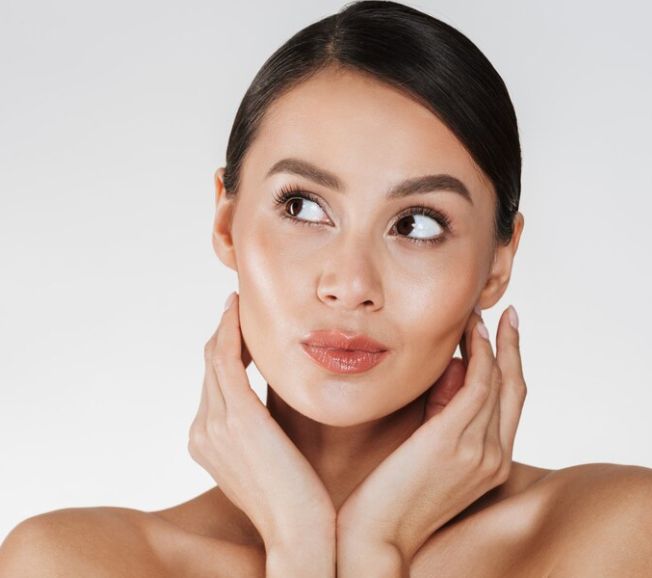
Facial beauty has fascinated humans for centuries, inspiring art, science, and cultural ideals across civilizations. While beauty standards vary widely between cultures and eras, one factor consistently stands out across studies and societies: facial symmetry. Symmetry plays a powerful role in how we perceive attractiveness, health, and even trustworthiness. Understanding why facial symmetry matters helps explain both natural beauty perceptions and modern aesthetic trends.
What Is Facial Symmetry?
Facial symmetry refers to how closely the left and right sides of the face mirror each other. In a perfectly symmetrical face, features such as the eyes, eyebrows, cheeks, and jaw align evenly along a central vertical axis. However, perfect symmetry is extremely rare. Almost everyone has some degree of asymmetry, which is completely normal and often unnoticeable.
What matters most in beauty perception is balanced symmetry, where differences are subtle rather than obvious. Faces that appear harmonious and proportionate tend to be perceived as more attractive, even if they are not mathematically perfect.
Why Humans Are Drawn to Symmetry
From an evolutionary perspective, humans may be naturally drawn to symmetrical faces because symmetry is often associated with good health and strong genetics. During development, illness, stress, or genetic disruptions can affect facial growth, leading to noticeable asymmetry. As a result, symmetry subconsciously signals physical fitness and biological stability.
Research in psychology and evolutionary biology suggests that people across different cultures tend to rate symmetrical faces as more attractive. This preference appears early in life, indicating that symmetry recognition may be an innate human trait rather than a learned one.
Facial Symmetry and First Impressions
Facial symmetry strongly influences first impressions. Studies have shown that symmetrical faces are often perceived as:
- More attractive
- More youthful
- More trustworthy
- More confident
Because the brain processes symmetrical faces more easily, they are often interpreted as familiar and pleasing. This cognitive ease can shape how we judge others within seconds of meeting them, affecting social interactions, professional opportunities, and personal relationships.
Symmetry vs. Character: The Balance of Beauty
While symmetry contributes to attractiveness, absolute symmetry can sometimes appear unnatural or artificial. Small asymmetries—such as a slightly uneven smile or a unique eyebrow arch—add character and individuality. These subtle imperfections make faces memorable and expressive.
In fact, many iconic faces considered beautiful or charismatic have noticeable asymmetrical features. This highlights an important truth: symmetry enhances beauty, but personality and expression give it life.
The Role of Facial Proportions
Facial symmetry works closely with facial proportions. Balanced spacing between the eyes, nose, lips, and chin contributes to an overall sense of harmony. Even if a face is not perfectly symmetrical, well-proportioned features can still create a strong impression of beauty.
For example:
- Even eye spacing improves facial balance
- A centered nose enhances symmetry perception
- Balanced cheek volume supports facial harmony
This combination of symmetry and proportion is often referred to as facial harmony, a key concept in both art and aesthetics.
How Aging Affects Facial Symmetry
As people age, facial symmetry naturally changes. Factors such as gravity, muscle movement, bone resorption, and volume loss can affect one side of the face more than the other. Sleeping habits, chewing preferences, and facial expressions repeated over time also contribute to increasing asymmetry.
Common age-related changes include:
- Uneven cheek volume
- Asymmetrical smile lines
- One eye appearing lower than the other
These changes are normal and part of the natural aging process, but they can influence how youthful or balanced a face appears.
Facial Symmetry in Modern Aesthetics
In the world of aesthetics and skincare, facial symmetry is often used as a guiding principle rather than a strict rule. The goal is typically to restore balance, not to create perfection. Subtle enhancements that improve alignment or proportion can help the face look refreshed while maintaining its natural character.
Modern approaches emphasize:
- Enhancing natural features rather than altering them
- Preserving facial expressions
- Maintaining individuality
This shift reflects a growing understanding that beauty lies in balance, not uniformity.
Cultural Perspectives on Symmetry
Although symmetry is widely appreciated, cultural preferences influence how it is valued. Some cultures emphasize softer, more natural asymmetry, while others prefer sharp, balanced contours. Media, art, and fashion also shape how symmetry is interpreted within different societies.
Despite these variations, studies consistently show that moderate symmetry combined with healthy skin and confident expression is universally appealing.
The Psychological Impact of Symmetry
Perceived facial symmetry doesn’t just affect how others see us—it can also influence self-confidence. When individuals feel balanced and comfortable with their appearance, it often reflects in posture, expression, and social behavior. This confidence can enhance attractiveness more than symmetry alone.
Interestingly, people tend to focus more on their own perceived asymmetries than others do. In reality, most asymmetries go unnoticed in everyday interactions.
Facial symmetry plays a significant role in beauty by contributing to balance, harmony, and positive first impressions. It is closely linked to perceptions of health, youth, and attractiveness, yet it is not the sole defining factor of beauty. True attractiveness comes from a blend of symmetry, proportion, expression, and individuality. Embracing natural features while appreciating balance allows beauty to remain authentic, timeless, and deeply human.