
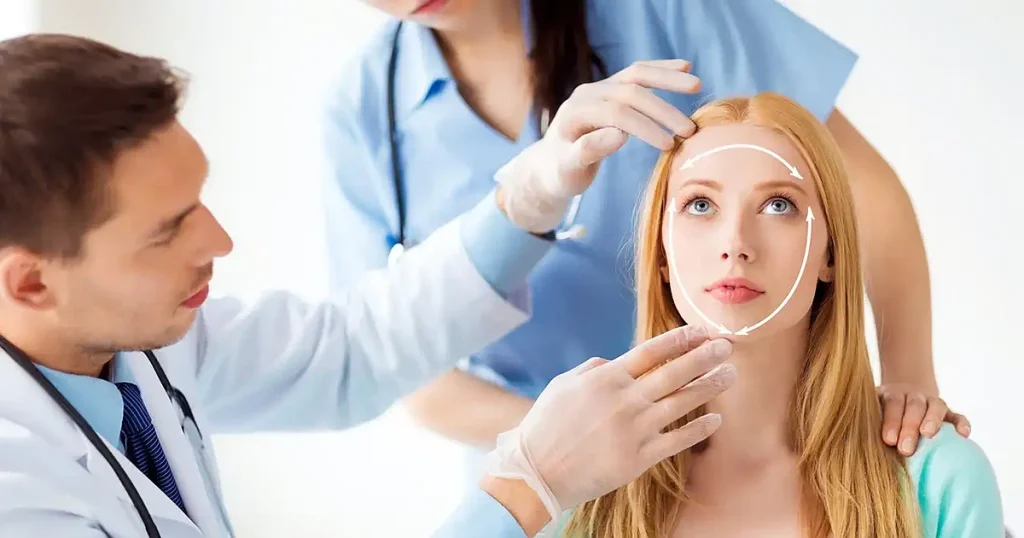
Cosmetic surgery has undergone remarkable transformation over the past few decades. What was once associated with highly invasive procedures and extended recovery times has evolved into a sophisticated field focused on precision, safety, personalization, and natural-looking outcomes. Technological advancements have significantly improved both surgical and non-surgical treatments, helping patients achieve refined results with greater comfort and confidence.
Understanding the positive evolution of cosmetic surgery technology highlights how innovation continues to improve patient care, treatment planning, and long-term aesthetic outcomes. Modern cosmetic surgery now combines advanced medical science, digital technology, and personalized treatment approaches to support safer and more effective aesthetic enhancement.
The Early Foundations of Cosmetic Surgery
Cosmetic surgery originally focused on basic reconstructive and corrective procedures. Early techniques often involved limited surgical tools, less precise planning, and longer recovery periods.
Over time, advancements in:
- Surgical instruments
- Anesthesia methods
- Sterilization techniques
- Medical imaging
- Tissue management
helped improve both safety and procedural accuracy. These developments laid the foundation for modern cosmetic surgery practices.
The Shift Toward Natural-Looking Results
One of the most important changes in cosmetic surgery technology is the shift toward natural enhancement rather than dramatic alteration. Modern patients increasingly seek balanced and subtle improvements that preserve individuality.
Technological advancements now allow surgeons to:
- Improve facial harmony
- Preserve natural facial expressions
- Enhance body proportions more accurately
- Reduce visible scarring
- Create smoother contour transitions
The focus of modern cosmetic surgery is often on refinement and personalization rather than exaggerated transformation.
Advanced Imaging and Digital Planning
Digital imaging technology has transformed the way cosmetic procedures are planned and performed. Surgeons can now evaluate facial and body anatomy with exceptional precision before surgery begins.
Modern planning tools may include:
- 3D facial imaging
- Digital body contour simulations
- Computer-assisted surgical mapping
- Virtual treatment previews
These technologies improve communication between patients and surgeons by helping individuals better understand potential outcomes and treatment goals.
Improved Precision in Surgical Techniques
Technological advancements have significantly improved surgical precision. Modern instruments and refined methods allow surgeons to perform procedures with greater control and reduced tissue trauma.
Benefits of precision-based surgery may include:
- Smaller incisions
- Improved symmetry
- Reduced swelling and bruising
- Faster healing
- More consistent long-term results
Enhanced precision also supports more natural-looking aesthetic refinement.
Minimally Invasive Cosmetic Procedures
The demand for less invasive treatments has led to major innovations in cosmetic surgery technology. Many modern procedures now focus on achieving aesthetic improvement with reduced downtime and minimal disruption to surrounding tissue.
Examples of minimally invasive advancements include:
- Endoscopic surgical techniques
- Laser-assisted procedures
- Energy-based skin tightening technologies
- Injectable aesthetic treatments
- Advanced fat reduction technologies
These approaches often allow patients to recover more quickly while maintaining effective results.
Safer Anesthesia and Patient Monitoring
Safety improvements are among the most significant achievements in cosmetic surgery evolution. Modern anesthesia techniques and monitoring systems have greatly reduced procedural risks.
Advancements in patient safety include:
- Improved anesthesia control
- Real-time monitoring systems
- Enhanced infection prevention methods
- Better postoperative pain management
- Advanced emergency response protocols
These developments have helped make cosmetic surgery more reliable and patient-centered.
Skin Rejuvenation Technology
Skin-focused cosmetic technologies have evolved rapidly, offering non-surgical solutions for improving texture, tone, and elasticity.
Modern skin rejuvenation methods may include:
- Laser resurfacing
- Radiofrequency skin tightening
- Microneedling technologies
- Collagen stimulation treatments
- Advanced hydration therapies
These innovations support healthier skin and complement surgical aesthetic procedures.
The Role of Regenerative Medicine
Regenerative medicine is becoming an increasingly important part of cosmetic surgery technology. Modern treatments often focus on stimulating the body’s natural healing and renewal processes.
Regenerative approaches may involve:
- Collagen stimulation
- Tissue regeneration therapies
- Cellular repair technologies
- Natural volume restoration techniques
These methods aim to improve long-term skin quality and structural support while maintaining natural appearance.
Body Contouring Advancements
Body contouring technology has advanced significantly, allowing for more refined shaping and smoother body proportions.
Modern contouring innovations focus on:
- Precision fat reduction
- Improved skin tightening
- Enhanced contour sculpting
- Better tissue preservation
- Reduced recovery time
Advanced body contouring techniques are now more personalized and focused on maintaining balanced body harmony.
Personalized Cosmetic Surgery Approaches
Technology has made cosmetic surgery increasingly personalized. Modern treatment plans are tailored according to:
- Facial and body anatomy
- Skin quality
- Lifestyle factors
- Age-related changes
- Individual aesthetic goals
Personalized planning helps improve long-term satisfaction and supports more natural-looking outcomes.
Faster Recovery and Enhanced Healing
Recovery experiences have improved significantly due to advancements in surgical methods, postoperative care, and healing technologies.
Modern recovery improvements may include:
- Reduced tissue trauma
- Advanced compression and support garments
- Improved scar management techniques
- Enhanced pain control methods
- Personalized recovery protocols
These innovations help patients return to daily activities more comfortably and efficiently.
Artificial Intelligence and the Future of Cosmetic Surgery
Artificial intelligence (AI) is expected to play a growing role in cosmetic surgery planning and analysis. AI-based systems may help improve precision, predict healing outcomes, and support personalized treatment recommendations.
Future technological developments may include:
- AI-assisted facial analysis
- Predictive treatment simulations
- Robotic-assisted surgical procedures
- Personalized regenerative therapies
- Advanced virtual consultation systems
These innovations aim to improve patient education, surgical precision, and long-term aesthetic stability.
Psychological Benefits of Modern Cosmetic Technology
The evolution of cosmetic surgery technology has also improved the emotional and psychological experience for many patients. More natural results, safer procedures, and better communication help individuals feel more confident and informed throughout their treatment journey.
Positive emotional benefits may include:
- Increased confidence
- Improved self-image
- Greater comfort with appearance
- Better overall satisfaction
Modern cosmetic surgery increasingly emphasizes emotional well-being alongside physical refinement.
Ethical and Patient-Centered Advancements
The field of cosmetic surgery has also become more patient-centered and ethically focused. Modern practices prioritize:
- Realistic expectations
- Personalized consultations
- Informed decision-making
- Long-term patient safety
- Natural enhancement strategies
This shift helps support healthier motivations and more balanced treatment outcomes.
Dr. Ahmad Houmsie is a highly skilled plastic and aesthetic surgeon in Dubai, with extensive clinical training and international credentials. He offers advanced cosmetic procedures for the face and body — including rhinoplasty, liposuction, breast surgery, tummy tuck, facelifts, and more — using state‑of‑the‑art techniques tailored to each patient. For anyone seeking expert guidance and transformative results, booking a consultation directly with Dr. Ahmad Houmsie ensures personalized care and professional excellence.