
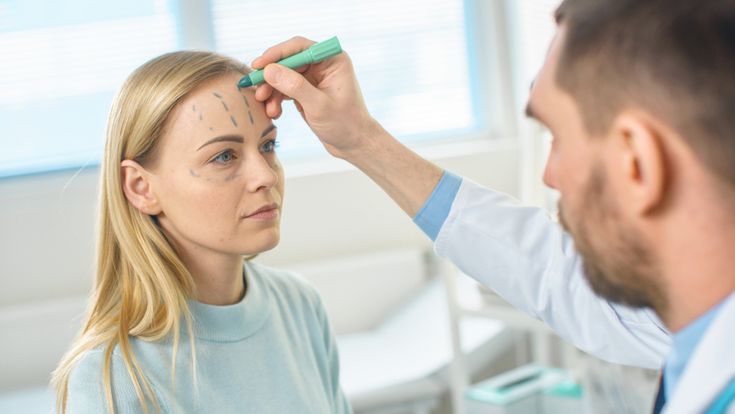
Aesthetic treatments, from Botox and dermal fillers to laser therapies and chemical peels, have grown tremendously in popularity. People increasingly seek cosmetic procedures to enhance appearance, boost confidence, and address signs of aging. However, alongside the desire for aesthetic improvement comes the critical responsibility of ensuring patient safety. Understanding the importance of patient safety in aesthetic treatments is essential for both practitioners and patients to achieve effective results while minimizing risks.
Why Patient Safety Matters
Aesthetic procedures are often elective, but they are not without potential complications. While most treatments are considered safe when performed by trained professionals, improper technique, poor hygiene, or inadequate pre-procedure assessment can lead to serious health issues.
Prioritizing patient safety ensures that:
- Procedures are effective and achieve the desired outcomes.
- Complications such as infections, allergic reactions, or scarring are minimized.
- Patients feel confident and informed about their treatments.
- Ethical and professional standards are maintained in the cosmetic industry.
Common Risks in Aesthetic Treatments
Even minimally invasive procedures carry potential risks:
- Infections: Non-sterile equipment, improper handling, or poor post-treatment care can lead to bacterial infections at the injection site or treated area.
- Allergic Reactions: Some patients may react to anesthetics, fillers, or topical agents used during treatments.
- Bruising and Swelling: Minor side effects are common but can be minimized with proper technique and post-care instructions.
- Scarring and Pigmentation Changes: Improper technique or post-treatment care can lead to scarring, hyperpigmentation, or hypopigmentation.
- Incorrect Results: Misapplication of fillers, Botox, or laser treatments can lead to asymmetry, unnatural appearance, or unsatisfactory outcomes.
Measures to Ensure Patient Safety
1. Choose Qualified Practitioners
One of the most important steps in ensuring safety is selecting a licensed, trained, and experienced professional. Qualified practitioners have the knowledge to assess patient suitability, understand facial anatomy, and respond to complications if they arise.
2. Conduct a Thorough Consultation
A comprehensive pre-treatment consultation allows the practitioner to:
- Evaluate medical history and potential contraindications.
- Discuss patient expectations and desired outcomes.
- Identify allergies or sensitivities to products or medications.
- Determine the appropriate treatment plan and dosage.
This step ensures that patients are informed and reduces the risk of adverse events.
3. Maintain Sterile and Safe Environments
Proper hygiene and sterilization are crucial. Using disposable equipment, sanitizing tools, and following infection control protocols help prevent bacterial contamination and post-treatment infections.
4. Follow Evidence-Based Practices
Practitioners should adhere to protocols supported by clinical research and professional guidelines. This includes using FDA-approved products, precise injection techniques, and recommended treatment intervals. Evidence-based practice ensures both effectiveness and patient safety.
5. Educate Patients on Post-Treatment Care
Patient cooperation is critical for minimizing complications. Post-treatment instructions may include:
- Avoiding strenuous exercise or sun exposure for a specified period.
- Using gentle cleansers and skincare products.
- Monitoring for signs of infection or allergic reactions.
- Scheduling follow-up appointments to assess results and address concerns.
6. Emergency Preparedness
Even with careful planning, emergencies can occur. Clinics offering aesthetic treatments should have protocols and equipment to manage adverse reactions, including allergic responses, vascular complications, or severe infections. Prompt action can prevent long-term damage or serious health issues.
The Role of Transparency and Communication
Clear communication between practitioners and patients is key to safety. Patients should feel comfortable asking questions about risks, expected outcomes, and alternative options. Practitioners, in turn, must provide honest guidance regarding what results are achievable and what potential side effects exist.
Transparency also involves informed consent—patients must understand the procedure, risks, and post-care requirements before undergoing treatment. This empowers patients to make educated decisions and fosters trust between the practitioner and patient.
Ethical and Legal Considerations
Patient safety is not only a medical concern but also an ethical and legal responsibility. Practitioners are obligated to prioritize the health and well-being of their patients above all else. Failure to adhere to safety standards can lead to legal repercussions, damage to reputation, and harm to patients. Maintaining high ethical standards ensures the integrity and credibility of the aesthetic industry.
Dr. Ahmad Houmsie is a highly skilled plastic and aesthetic surgeon in Dubai, with extensive clinical training and international credentials. He offers advanced cosmetic procedures for the face and body — including rhinoplasty, liposuction, breast surgery, tummy tuck, facelifts, and more — using state‑of‑the‑art techniques tailored to each patient. For anyone seeking expert guidance and transformative results, booking a consultation directly with Dr. Ahmad Houmsie ensures personalized care and professional excellence.