
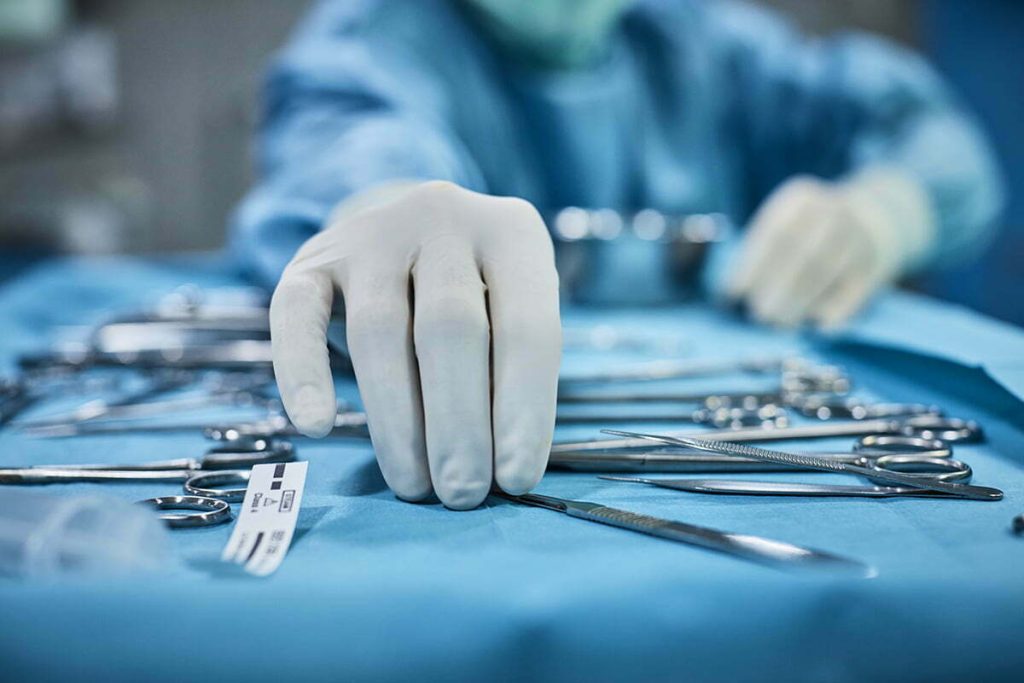
When planning any surgical procedure, choosing the right facility is just as important as selecting an experienced surgeon. An accredited surgical facility follows recognized standards for patient safety, quality care, infection control, and emergency preparedness. Understanding The Importance of Accredited Surgical Facilities helps patients make informed decisions and feel more confident about their treatment.
Whether you are considering cosmetic surgery, reconstructive surgery, or another medical procedure, undergoing treatment in an accredited facility supports a safer and more reliable surgical experience.
What Is an Accredited Surgical Facility?
An accredited surgical facility is a healthcare center that has been evaluated by an independent accrediting organization to ensure it meets established standards for patient care and safety.
Accreditation generally evaluates areas such as:
- Patient safety protocols
- Infection prevention and control
- Equipment maintenance
- Staff qualifications and training
- Emergency preparedness
- Quality improvement processes
These standards are designed to support consistent, high-quality care.
Why Accreditation Matters
Accreditation demonstrates that a surgical facility is committed to maintaining recognized standards of safety and quality.
Patients benefit from facilities that prioritize:
- Safe surgical practices
- Clean and well-maintained environments
- Qualified healthcare professionals
- Proper monitoring during procedures
- Continuous quality improvement
Choosing an accredited facility provides added reassurance throughout your surgical journey.
Enhanced Patient Safety
Patient safety is the primary focus of accredited surgical facilities.
Safety measures may include:
- Thorough patient assessments
- Sterile surgical environments
- Standardized safety checklists
- Careful monitoring before, during, and after surgery
- Clear emergency response procedures
These practices help reduce risks and promote better outcomes.
Strict Infection Control Standards
Preventing infection is a key component of surgical care.
Accredited facilities typically follow established infection prevention protocols, including:
- Sterilization of instruments
- Proper hand hygiene
- Use of personal protective equipment (PPE)
- Cleaning and disinfecting surgical areas
- Safe handling of medical waste
These measures help create a safer environment for patients and healthcare teams.
Qualified Healthcare Professionals
An accredited surgical facility is supported by trained healthcare professionals working together to provide comprehensive care.
The team may include:
- Surgeons
- Anesthesiologists
- Nurses
- Surgical technologists
- Recovery room staff
Each member plays an important role in delivering safe and coordinated patient care.
High Standards for Equipment
Modern surgical care depends on reliable medical equipment.
Accredited facilities maintain strict procedures for:
- Equipment inspection
- Routine maintenance
- Calibration
- Safe operation
- Replacement when necessary
Properly maintained equipment supports accurate diagnosis, treatment, and patient monitoring.
Emergency Preparedness
Although complications are uncommon, accredited facilities are prepared to respond quickly if emergencies occur.
Emergency preparedness may include:
- Trained emergency response teams
- Emergency medications
- Resuscitation equipment
- Patient transfer protocols
- Regular emergency drills
Preparedness helps ensure that appropriate care is available if needed.
Consistent Quality Improvement
Accredited facilities regularly review their practices to improve patient care.
Quality improvement activities may involve:
- Monitoring patient outcomes
- Reviewing safety procedures
- Staff education and training
- Updating clinical protocols
- Evaluating patient feedback
Continuous improvement supports better healthcare experiences.
Better Communication and Patient Education
Good communication helps patients understand their care before, during, and after surgery.
Healthcare teams typically provide information about:
- Preoperative preparation
- The surgical procedure
- Recovery expectations
- Postoperative care instructions
- Follow-up appointments
Well-informed patients are better prepared for surgery and recovery.
Benefits for Cosmetic and Reconstructive Surgery
Patients considering aesthetic or reconstructive procedures should also evaluate the surgical facility where the procedure will take place.
An accredited facility helps provide:
- A safe surgical environment
- Experienced medical teams
- Appropriate patient monitoring
- High standards of cleanliness
- Reliable emergency support
Safety should always be a priority when choosing any surgical procedure.
Questions to Ask Before Surgery
Before scheduling surgery, consider asking your healthcare provider:
- Is the surgical facility accredited?
- Who will be involved in my care?
- What safety protocols are followed?
- How is infection prevention managed?
- What emergency resources are available?
- What should I expect during recovery?
These questions can help you better understand your treatment environment.
How Patients Can Prepare for Surgery
You can contribute to a safer surgical experience by:
- Sharing your complete medical history
- Informing your healthcare provider about medications and allergies
- Following all preoperative instructions
- Asking questions about your procedure
- Attending follow-up appointments
Active participation supports safe and effective care.
Choosing the Right Surgical Facility
When selecting a facility, look for:
- Accreditation by a recognized organization
- Qualified and experienced healthcare professionals
- Clear communication
- Strong infection control practices
- Positive patient-centered care
- Comprehensive postoperative support
These factors contribute to a high standard of surgical care.
Dr. Ahmad Houmsie is a highly skilled plastic and aesthetic surgeon in Dubai, with extensive clinical training and international credentials. He offers advanced cosmetic procedures for the face and body — including rhinoplasty, liposuction, breast surgery, tummy tuck, facelifts, and more — using state‑of‑the‑art techniques tailored to each patient. For anyone seeking expert guidance and transformative results, booking a consultation directly with Dr. Ahmad Houmsie ensures personalized care and professional excellence.