
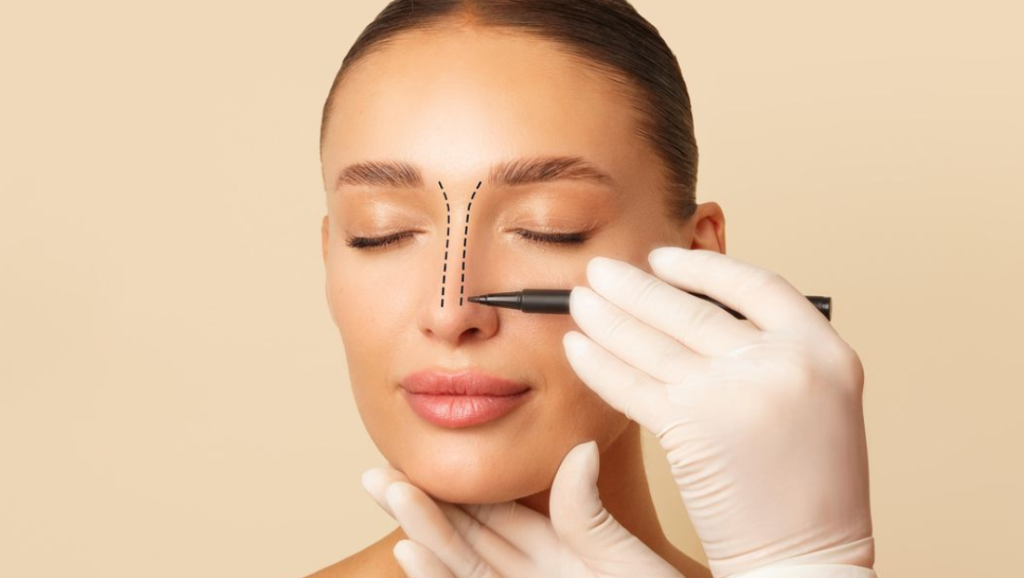
Cosmetic procedures can improve specific physical concerns and help individuals feel more comfortable with their appearance, but recovery is an important part of the overall treatment journey. Recovery Expectations After Cosmetic Procedures can vary depending on the type of procedure, the area treated, the individual’s health, and the body’s natural healing process. Understanding what may happen during recovery can help patients prepare realistically and follow appropriate postoperative care.
Every procedure has its own recovery timeline. Some treatments require only minimal downtime, while surgical procedures may involve several weeks of healing. Following the instructions provided by a qualified medical professional is essential for supporting a safe recovery.
Understanding the Recovery Timeline
Recovery does not happen at the same speed for everyone. The initial days after a procedure may involve swelling, bruising, tenderness, tightness, or mild discomfort. These effects can gradually improve as the body heals.
Some patients may return to light daily activities relatively quickly, while others may need more time away from work or exercise. The expected timeline depends heavily on whether the procedure is surgical or non-surgical and how extensive the treatment is.
It is important to avoid comparing one person’s recovery with another’s because individual healing can differ considerably.
Swelling and Bruising After Treatment
Swelling and bruising are common after many cosmetic procedures, particularly those involving surgery or injections. These effects are usually most noticeable during the early recovery period and gradually decrease.
Following postoperative instructions may help manage these symptoms. Depending on the procedure, recommendations may include keeping the treated area protected, resting appropriately, using prescribed medications, or applying cold compresses when specifically advised.
Patients should avoid applying products or treatments to the surgical area unless their healthcare provider has recommended them.
Managing Discomfort
Some degree of discomfort may occur after cosmetic surgery or certain aesthetic treatments. Healthcare professionals may recommend medications or other measures to help manage pain.
Patients should use medications only as directed and inform their healthcare team about any medicines or supplements they are already taking.
Increasing pain, severe discomfort, or pain that does not improve as expected should be reported to the treating medical professional.
Caring for Incisions and Treated Areas
For surgical cosmetic procedures, proper incision care is an important part of recovery. Patients may receive specific instructions regarding cleaning, dressing changes, bathing, and protecting the surgical site.
Keeping the area clean and following wound-care instructions can help reduce the risk of complications. Patients should avoid picking at scabs, removing dressings prematurely, or applying unapproved creams or products.
Non-surgical procedures may have different aftercare requirements, so instructions should always be based on the specific treatment received.
Returning to Normal Activities
The timing for returning to work, exercise, driving, and other activities varies by procedure.
Light movement may be encouraged in some situations because prolonged inactivity can have disadvantages, but strenuous exercise and heavy lifting may need to be avoided temporarily after surgery.
Patients should gradually resume activities according to their healthcare provider’s recommendations. Returning to intense exercise too soon may interfere with recovery or increase discomfort and swelling.
Nutrition and Hydration During Recovery
Good nutrition provides the body with energy and nutrients needed for normal tissue repair. A balanced diet containing adequate protein, vegetables, fruits, whole grains, healthy fats, and other nutrient-rich foods can support general recovery.
Staying adequately hydrated is also important. Water supports normal circulation, digestion, and many other bodily functions.
Patients should follow any dietary restrictions provided by their medical team and avoid taking supplements without professional guidance, as certain supplements may interact with medications or affect healing.
Protecting Healing Skin
Skin may remain sensitive following cosmetic treatments. Depending on the procedure, patients may need to protect treated areas from excessive sun exposure and follow recommendations regarding skincare products.
After certain facial treatments, sunscreen may be an important part of aftercare once the healthcare provider confirms it is appropriate. Harsh exfoliation, irritating products, or unnecessary manipulation of the treated area should generally be avoided during the healing period.
Emotional Expectations During Recovery
Recovery can involve emotional changes as well as physical ones. Temporary swelling, bruising, or changes in appearance can make it difficult for patients to judge their final results immediately after treatment.
It is important to remember that early postoperative appearance may not reflect the final outcome. Swelling can take time to resolve, and tissues may continue changing during the healing process.
Maintaining realistic expectations and attending scheduled follow-up appointments can help patients better understand their progress.
Follow-Up Appointments Matter
Follow-up visits allow healthcare professionals to monitor healing and identify potential concerns. Depending on the procedure, follow-up may involve checking incisions, removing sutures, assessing swelling, or discussing the progress of results.
Patients should attend recommended appointments even when recovery appears to be progressing normally. These visits provide an opportunity to ask questions and receive individualized guidance.
Recognizing Possible Warning Signs
While some discomfort and swelling may be expected, certain symptoms require prompt medical attention. Increasing redness, worsening pain, significant bleeding, pus or unusual drainage, fever, wound separation, difficulty breathing, or sudden severe swelling should be reported to a healthcare professional.
Patients should contact their surgical or medical team if they are uncertain whether a symptom is part of normal recovery.
Patience Is Part of the Process
One of the most important Recovery Expectations After Cosmetic Procedures is that final results may take time. Some treatments produce visible improvements quickly, while surgical procedures may require weeks or months for swelling and tissue changes to settle.
Following aftercare instructions, maintaining healthy habits, protecting treated areas, attending follow-up appointments, and allowing the body adequate time to heal can all contribute to a smoother recovery.
Cosmetic procedures should always be approached with realistic expectations. A consultation with a qualified professional can help patients understand the specific recovery timeline, potential side effects, activity restrictions, and aftercare requirements associated with their chosen procedure.
Dr. Ahmad Houmsie is a highly skilled plastic and aesthetic surgeon in Dubai, with extensive clinical training and international credentials. He offers advanced cosmetic procedures for the face and body — including rhinoplasty, liposuction, breast surgery, tummy tuck, facelifts, and more — using state‑of‑the‑art techniques tailored to each patient. For anyone seeking expert guidance and transformative results, booking a consultation directly with Dr. Ahmad Houmsie ensures personalized care and professional excellence.