
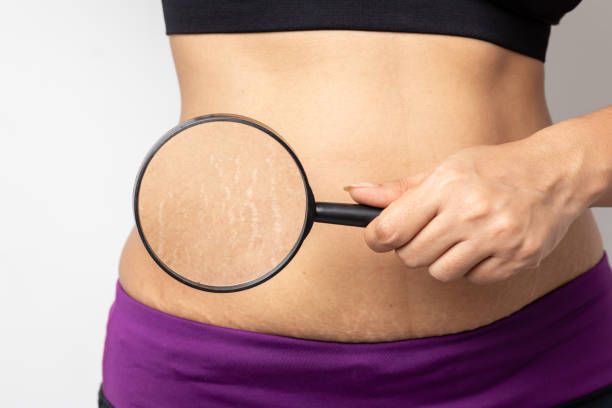
Fat reduction surgeries, including liposuction and body contouring procedures, have become popular options for achieving a slimmer and more sculpted physique. While these procedures are generally safe and effective, one common concern patients often face is scarring. Understanding how to prevent, care for, and manage scars after fat reduction surgery is crucial for achieving the best aesthetic results.
Why Scarring Happens
Scarring is a natural part of the body’s healing process. During fat reduction surgery, small incisions are made to remove excess fat or sculpt specific areas of the body. The body responds by producing collagen to repair the incision site. Depending on individual healing patterns, skin type, and surgical technique, scars may appear as fine lines, raised tissue, or discoloration.
Several factors influence the severity of scarring:
- Genetics: Some people are more prone to thick or raised scars (hypertrophic or keloid scars).
- Surgical Technique: Smaller, precise incisions tend to heal with minimal scarring, while larger or poorly placed incisions may result in more noticeable marks.
- Post-Surgery Care: Proper wound care, hygiene, and avoiding stress on incision sites promote better healing.
- Lifestyle Factors: Smoking, poor nutrition, and sun exposure can interfere with the body’s ability to repair tissue.
Immediate Post-Surgery Care
Proper care immediately after surgery is essential to minimize scarring. Following your surgeon’s post-operative instructions ensures optimal healing. Key steps include:
- Keep Incisions Clean and Dry
Clean the surgical sites with mild antiseptics and follow any dressing or bandage instructions provided by your surgeon. Avoid submerging wounds in water until fully healed. - Avoid Strain and Pressure
Excessive movement or pressure on the incision site can stretch the skin and worsen scarring. Use compression garments as recommended to support healing and reduce swelling. - Follow Medication Guidelines
If prescribed antibiotics or anti-inflammatory medications, take them as directed to reduce infection risk and support tissue recovery. - Monitor for Infection
Redness, swelling, or unusual discharge can indicate infection, which may worsen scarring. Contact your surgeon immediately if any signs of infection appear.
Scar Management Techniques
Once the initial healing phase is complete, there are several strategies to minimize the appearance of scars:
1. Silicone Gel or Sheets
Silicone products are widely recognized for reducing scar thickness, discoloration, and texture irregularities. Applied consistently over several weeks, silicone gel or sheets create a protective barrier, lock in moisture, and improve the skin’s appearance.
2. Topical Treatments
Creams containing ingredients such as vitamin E, hyaluronic acid, or centella asiatica can support healing and reduce redness. However, results may vary, and these should be used under guidance from your healthcare provider.
3. Massage Therapy
Gentle scar massage can promote blood circulation, break down excess collagen, and improve flexibility in the tissue. Typically, massage is recommended once the incision is fully closed and no longer at risk of reopening.
4. Laser Therapy
For persistent or thick scars, laser treatments can help resurface the skin, reduce redness, and flatten raised scars. Fractional or pulsed dye lasers are commonly used to improve scar appearance.
5. Microneedling
Microneedling stimulates collagen production in the scar area, improving texture and blending the scar with surrounding skin. It is often combined with other treatments like platelet-rich plasma (PRP) therapy for enhanced results.
Lifestyle Factors That Support Scar Healing
Healthy habits play a significant role in how scars heal after fat reduction surgery:
- Nutrition: A balanced diet rich in protein, vitamins, and minerals supports collagen production and tissue repair. Foods like lean meats, eggs, leafy greens, and fruits are beneficial.
- Hydration: Proper hydration keeps skin supple and promotes healing.
- Sun Protection: UV exposure can darken scars and make them more noticeable. Use sunscreen or cover healing areas when outdoors.
- Avoid Smoking and Alcohol: Both can impair blood flow and slow down tissue repair, increasing the risk of prominent scarring.
When to Seek Professional Help
While most scars improve over time, some may require professional intervention. Consult your surgeon or dermatologist if:
- The scar becomes raised, thick, or keloid-like
- Persistent redness or itching occurs
- The scar affects movement or causes discomfort
- You are concerned about the cosmetic appearance
Professional treatments may include steroid injections, laser therapy, surgical revision, or other advanced techniques to optimize scar appearance.
Patience Is Key
It’s important to remember that scarring is a gradual process. Scars typically appear red or raised initially but fade over months to a year. Consistent care, following medical advice, and adopting scar management strategies can significantly reduce visibility and improve overall outcomes.
Dr. Ahmad Houmsie is a highly skilled plastic and aesthetic surgeon in Dubai, with extensive clinical training and international credentials. He offers advanced cosmetic procedures for the face and body — including rhinoplasty, liposuction, breast surgery, tummy tuck, facelifts, and more — using state‑of‑the‑art techniques tailored to each patient. For anyone seeking expert guidance and transformative results, booking a consultation directly with Dr. Ahmad Houmsie ensures personalized care and professional excellence.