
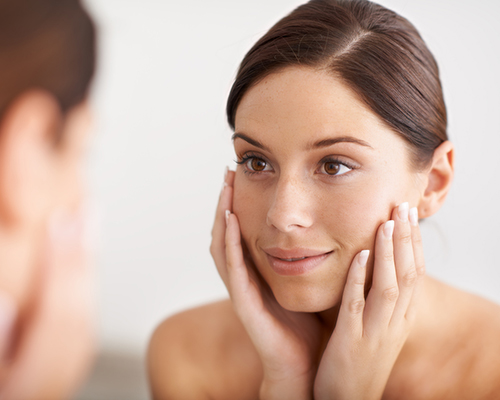
Facial and body enhancement has evolved into a thoughtful, highly personalized journey rather than a quick cosmetic decision. Thanks to advances in aesthetic medicine, patients today have access to safer procedures, refined techniques, and more natural-looking results than ever before. However, achieving balanced and satisfying outcomes depends heavily on careful planning. Thoughtful enhancement planning ensures harmony, safety, and long-term satisfaction while respecting each individual’s unique anatomy and goals.
This guide explores the key elements of facial and body enhancement planning, helping individuals make informed, confident decisions.
Understanding the Purpose of Enhancement Planning
Enhancement planning involves evaluating your aesthetic goals, physical characteristics, and lifestyle factors before choosing treatments or procedures. The aim is not transformation for the sake of change, but enhancement that supports natural proportions, balance, and overall well-being.
Proper planning allows patients and practitioners to:
- Define realistic and achievable goals
- Select appropriate surgical or non-surgical treatments
- Minimize risks and downtime
- Ensure harmonious, natural-looking results
- Create a long-term aesthetic strategy rather than isolated procedures
Step 1: Self-Assessment and Goal Setting
Planning begins with self-reflection. Understanding why you want an enhancement is just as important as what you want to change.
Ask yourself questions like:
- Which facial or body areas concern me the most?
- Am I seeking subtle refinement or noticeable enhancement?
- Do I want rejuvenation, contour improvement, or corrective treatment?
- What timeline and recovery period am I comfortable with?
Clear goals help guide consultations and ensure your expectations align with realistic outcomes.
Step 2: Professional Consultation and Evaluation
A detailed consultation is the cornerstone of successful enhancement planning. During this phase, a qualified aesthetic professional evaluates your facial structure, body proportions, skin quality, and medical history.
This assessment may include:
- Facial symmetry and proportion analysis
- Skin texture, elasticity, and volume distribution
- Body contour evaluation and posture
- Review of previous treatments or surgeries
- Lifestyle factors, including activity level, stress, and sun exposure
Open, honest communication builds trust and allows for a collaborative treatment plan tailored to your needs.
Step 3: Choosing Between Surgical and Non-Surgical Options
Modern aesthetic care offers a wide range of options. The right choice depends on your goals, budget, and recovery preferences.
Non-Surgical Enhancements
Ideal for subtle improvements and ongoing maintenance:
- Injectable fillers and neuromodulators
- Skin rejuvenation treatments (lasers, RF, microneedling)
- Body contouring technologies
- Skin tightening and texture refinement
These treatments typically involve minimal downtime and can be incorporated into a regular aesthetic routine.
Surgical Enhancements
Best suited for structural changes and long-term transformation:
- Facelifts, rhinoplasty, eyelid surgery
- Liposuction and body contouring
- Tummy tuck, breast procedures, and sculpting surgeries
Surgical planning focuses heavily on safety, anatomical balance, and long-term results.
Step 4: Achieving Facial and Body Harmony
Harmony is a core principle in enhancement planning. Treating one area in isolation can disrupt overall balance, while a holistic approach creates natural, proportional results.
For facial planning:
- Consider the relationship between nose, chin, cheeks, and jawline
- Maintain balance between upper, mid, and lower face
- Account for facial movement and expression
For body planning:
- Focus on proportion between waist, hips, thighs, and torso
- Consider the overall silhouette rather than single areas
- Include posture and muscle tone in the evaluation
Enhancing multiple areas strategically ensures a cohesive and refined outcome.
Step 5: Staging and Combination Planning
Not all enhancements need to be done at once. Many patients benefit from staged treatment plans, spreading procedures over time.
Benefits of staged planning:
- Easier recovery and reduced physical stress
- Ability to assess results before proceeding further
- More natural, gradual enhancement
- Better financial and lifestyle management
Combination treatments may also be performed when safe and appropriate, maximizing results while minimizing downtime.
Step 6: Preparing for Recovery and Healing
Recovery planning is just as important as treatment selection. Understanding healing timelines helps set realistic expectations and improves outcomes.
Key considerations include:
- Time off work and daily activities
- Post-treatment care and follow-ups
- Physical limitations during healing
- Emotional readiness and support
A well-planned recovery phase supports tissue healing, reduces complications, and ensures long-lasting results.
Step 7: Long-Term Maintenance and Aesthetic Care
Facial and body enhancement is an ongoing process. Maintenance treatments, skincare routines, and healthy lifestyle habits are essential for preserving results.
Long-term strategies may include:
- Periodic non-surgical touch-ups
- Skin health treatments and sun protection
- Proper nutrition, hydration, and fitness
- Annual aesthetic evaluations
This approach ensures your results age gracefully and remain aligned with your evolving goals.
Emotional and Psychological Readiness
Enhancement planning also requires emotional preparedness. Confidence, self-awareness, and realistic expectations are key to satisfaction. Enhancements should support self-esteem—not define it.
Approaching aesthetic care with clarity and self-respect makes the experience empowering rather than pressure-driven.
Facial and body enhancement is a journey, not a quick fix. By following a structured planning process—self-assessment, professional consultation, treatment selection, harmony evaluation, staged planning, recovery preparation, and long-term maintenance—patients can achieve natural, balanced, and lasting results.
With thoughtful planning, aesthetic procedures can enhance confidence, highlight individual beauty, and support overall well-being while respecting each person’s unique anatomy and goals.