
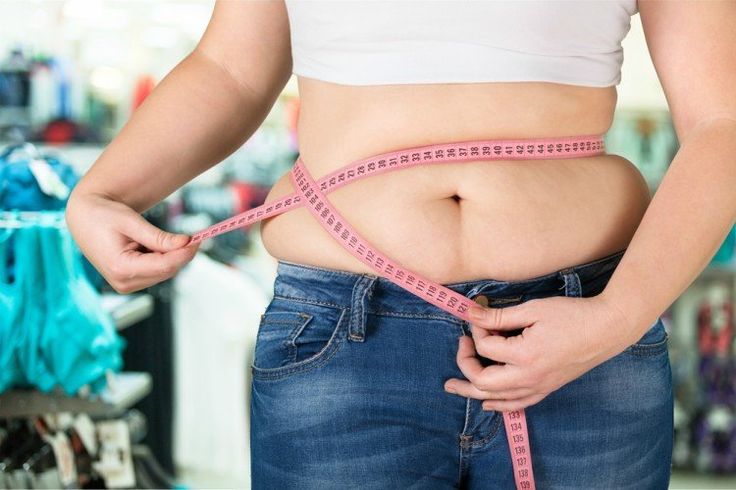
Weight naturally changes throughout life due to factors such as diet, physical activity, pregnancy, aging, hormones, and certain medical conditions. While occasional changes are normal, frequent or significant weight gain and weight loss can affect your body’s shape, skin, muscles, and overall appearance. Understanding how weight fluctuations affect body shape can help you make informed decisions about maintaining a healthy lifestyle and caring for your body.
In this guide, we’ll explain how changes in body weight influence body contours, skin elasticity, muscle tone, and long-term health, along with practical tips for maintaining a balanced physique.
What Are Weight Fluctuations?
Weight fluctuations refer to repeated increases or decreases in body weight over time. These changes may be temporary or long-term and can occur for many reasons, including:
- Changes in diet
- Physical activity levels
- Pregnancy and childbirth
- Hormonal changes
- Aging
- Stress
- Certain medications
- Medical conditions
Small day-to-day weight changes are usually related to fluid balance, while larger fluctuations often involve changes in body fat and muscle mass.
How Weight Gain Changes Body Shape
When you gain weight, excess calories are stored as body fat. The location of fat storage varies from person to person and is influenced by genetics, hormones, age, and lifestyle.
Common areas where fat may accumulate include:
- Abdomen
- Hips
- Thighs
- Buttocks
- Upper arms
- Back
- Face
As fat increases, body proportions and contours may gradually change.
How Weight Loss Changes Body Shape
Losing weight often reduces body fat and can improve overall health. However, rapid or significant weight loss may also change the body’s appearance.
Possible effects include:
- Smaller body measurements
- Reduced fat volume
- More visible muscle definition
- Loose or sagging skin
- Changes in facial fullness
The extent of these changes depends on age, genetics, skin elasticity, and the amount of weight lost.
Skin Elasticity and Weight Changes
Your skin is designed to stretch as your body grows or gains weight. However, after significant weight loss, the skin may not fully return to its original shape.
Factors affecting skin elasticity include:
- Age
- Genetics
- Smoking
- Hydration
- Nutrition
- Duration of weight gain
Maintaining healthy skin through hydration, proper nutrition, and gradual weight loss may help support skin elasticity.
Muscle Mass Matters
Body shape is influenced not only by fat but also by muscle.
When weight loss occurs without adequate protein intake or strength training, muscle mass may decrease along with body fat.
Maintaining muscle helps:
- Improve body contours
- Support healthy metabolism
- Increase strength
- Enhance posture
- Promote long-term weight management
Including resistance exercises as part of a fitness routine can help preserve lean muscle during weight loss.
Changes in Fat Distribution
Everyone stores body fat differently.
Factors influencing fat distribution include:
- Genetics
- Hormones
- Age
- Gender
- Lifestyle
Some individuals carry more weight around the abdomen, while others store fat primarily in the hips, thighs, or arms.
These natural differences contribute to each person’s unique body shape.
Effects of Frequent Weight Cycling
Repeated cycles of losing and regaining weight, often called weight cycling or “yo-yo dieting,” may affect body composition over time.
Frequent weight fluctuations may contribute to:
- Reduced muscle mass
- Changes in skin firmness
- Difficulty maintaining weight loss
- Altered body contours
- Emotional stress related to body image
Developing sustainable lifestyle habits is generally more effective than repeated crash diets.
How Aging Influences Body Shape
As we age, natural changes in metabolism and hormone levels can affect body composition.
Common age-related changes include:
- Reduced muscle mass
- Increased body fat
- Changes in fat distribution
- Reduced skin elasticity
- Slower metabolism
Regular exercise and balanced nutrition help support healthy body composition throughout life.
Healthy Ways to Maintain Body Shape
Although some changes are unavoidable, healthy habits can help maintain a balanced body shape.
Eat a Balanced Diet
Focus on foods rich in:
- Lean protein
- Whole grains
- Fruits
- Vegetables
- Healthy fats
Avoid highly processed foods and excessive added sugars.
Exercise Regularly
Aim for a combination of:
- Cardiovascular exercise
- Strength training
- Flexibility exercises
Regular physical activity helps support muscle tone and overall fitness.
Stay Hydrated
Drinking enough water supports overall health and may help maintain healthy skin.
Avoid Rapid Weight Loss
Gradual weight loss is generally more sustainable and may reduce the likelihood of loose skin compared to rapid weight loss.
Prioritize Sleep
Adequate sleep supports hormone balance, metabolism, and overall health.
Most adults benefit from 7–9 hours of sleep each night.
When to Seek Professional Advice
Consult a healthcare provider if you experience:
- Unexplained weight changes
- Rapid weight gain or loss
- Persistent fatigue
- Hormonal concerns
- Difficulty maintaining a healthy weight
If you’re considering body contouring or cosmetic procedures after significant weight loss, a consultation with a qualified plastic surgeon can help you understand your options and determine the most appropriate treatment based on your individual goals.
Embrace a Healthy Lifestyle
Body shape naturally varies from person to person, and changes throughout life are normal. Rather than focusing on achieving a specific appearance, prioritize habits that support long-term health, strength, and confidence.
Consistency in nutrition, exercise, sleep, and self-care is more beneficial than pursuing quick fixes or extreme diets.
Dr. Ahmad Houmsie is a highly skilled plastic and aesthetic surgeon in Dubai, with extensive clinical training and international credentials. He offers advanced cosmetic procedures for the face and body — including rhinoplasty, liposuction, breast surgery, tummy tuck, facelifts, and more — using state‑of‑the‑art techniques tailored to each patient. For anyone seeking expert guidance and transformative results, booking a consultation directly with Dr. Ahmad Houmsie ensures personalized care and professional excellence.