
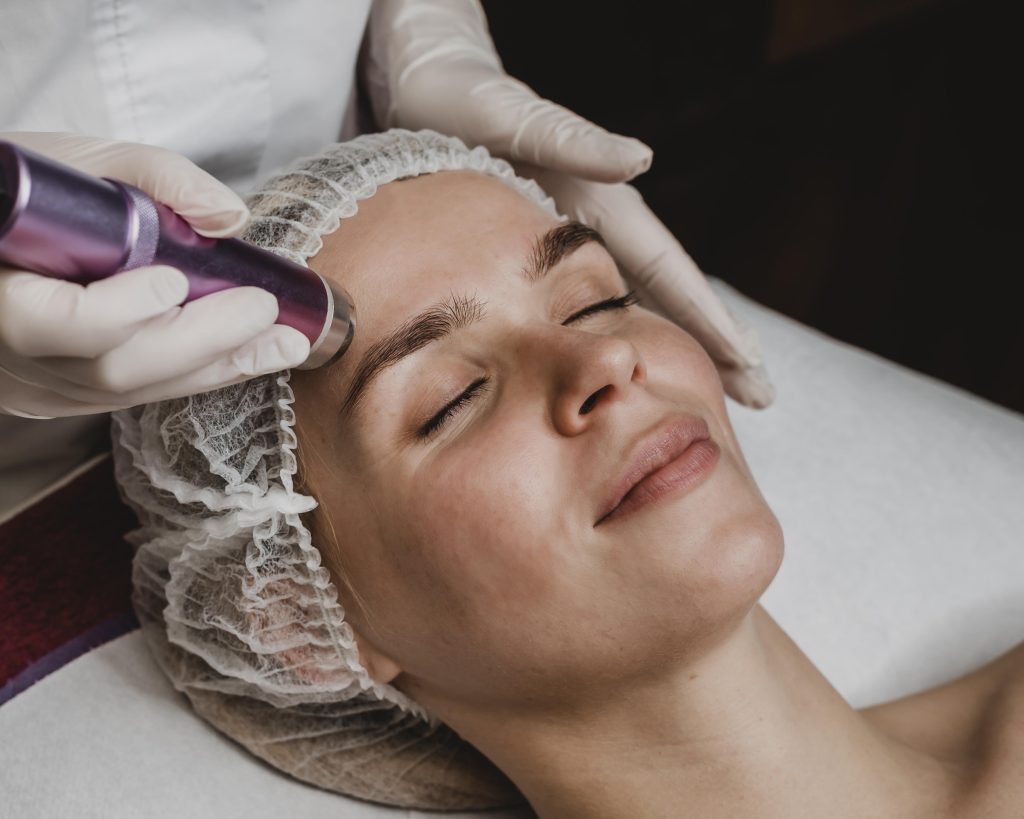
After any surgical or aesthetic procedure, your skin becomes more sensitive and vulnerable to damage. Sun exposure during the healing phase can slow recovery, increase pigmentation, and affect final results. Understanding how to protect your skin from the sun after surgery is essential for proper healing and long-lasting outcomes.
Why Sun Protection Is Crucial After Surgery
Post-surgical skin is delicate as it undergoes repair and regeneration. Exposure to ultraviolet (UV) rays can cause inflammation, darkening of scars, and uneven skin tone. In some cases, sun damage may permanently affect surgical results.
Protecting the skin from the sun helps:
- Reduce the risk of hyperpigmentation
- Promote proper wound healing
- Minimize scar visibility
- Maintain smooth and even skin tone
Avoid Direct Sun Exposure
During the early healing period, it’s best to avoid direct sunlight as much as possible. Plan outdoor activities during early morning or late evening when UV intensity is lower. Staying indoors or in shaded areas reduces the risk of irritation and damage.
Use Broad-Spectrum Sunscreen
Once your surgeon allows sunscreen use, apply a broad-spectrum sunscreen with an appropriate SPF. Choose a gentle, non-irritating formula designed for sensitive or post-procedure skin.
Key sunscreen tips:
- Apply sunscreen generously to exposed areas
- Reapply every few hours when outdoors
- Use mineral-based sunscreens if recommended
Sunscreen is a critical step in protecting healing skin from UV damage.
Wear Protective Clothing
Physical barriers offer strong sun protection after surgery. Wearing wide-brimmed hats, sunglasses, and protective clothing helps shield sensitive areas from direct exposure. Lightweight, long-sleeved garments can provide additional coverage without causing discomfort.
Follow Post-Surgery Skincare Instructions
Always follow your post-surgical care guidelines carefully. Using only approved skincare products reduces the risk of irritation and supports healing. Avoid harsh products, exfoliants, and active ingredients unless specifically advised.
Stay Hydrated and Support Skin Healing
Proper hydration plays an important role in skin recovery. Drinking enough water helps maintain skin elasticity and supports the healing process. A balanced diet rich in nutrients also contributes to healthy skin regeneration.
Be Patient With the Healing Process
Healing takes time, and protecting your skin from the sun should remain a priority even after initial recovery. Scars and treated areas can remain sensitive for months, making long-term sun protection essential.
Monitor Your Skin’s Response
Pay attention to any changes in your skin, such as redness, darkening, or irritation. If you notice unusual reactions after sun exposure, seek professional advice promptly to prevent complications.
Long-Term Sun Protection Habits
Even after full recovery, maintaining good sun protection habits helps preserve surgical results. Daily sunscreen use, protective clothing, and mindful sun exposure contribute to healthier skin in the long run.
Conclusion
Knowing how to protect your skin from the sun after surgery is essential for achieving the best possible results. By avoiding direct sun exposure, using sunscreen correctly, wearing protective clothing, and following professional care instructions, you can support proper healing and maintain healthy, even-toned skin. Consistent sun protection not only enhances recovery but also promotes long-term skin health.