
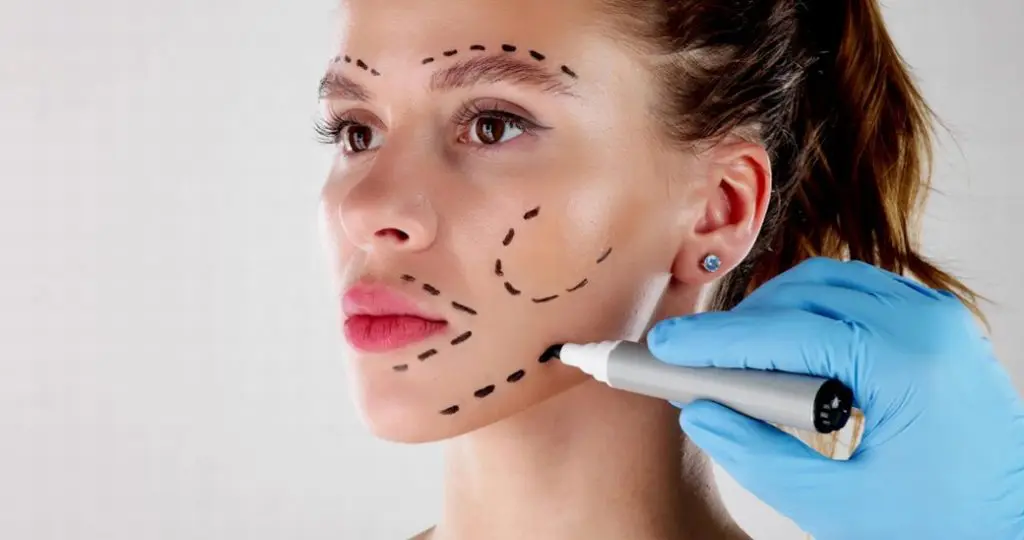
Preparing for aesthetic surgery involves more than scheduling the procedure. How to Prepare Yourself Before Aesthetic Surgery is an important part of achieving a safe experience, a smooth recovery, and the best possible results. Careful preparation helps you understand the procedure, set realistic expectations, and support your body’s healing process.
Whether you are considering a facial or body procedure, taking time to prepare physically, mentally, and practically can make your surgical journey more comfortable and successful. Working closely with a qualified plastic surgeon and following all preoperative instructions are essential for achieving optimal outcomes.
Choose a Qualified Plastic Surgeon
One of the most important decisions before aesthetic surgery is selecting a qualified and experienced plastic surgeon. A thorough consultation allows you to discuss your goals, ask questions, and understand the recommended procedure.
During your consultation, your surgeon may evaluate:
- Your medical history
- Current health condition
- Skin quality
- Facial or body proportions
- Lifestyle habits
- Expected surgical outcomes
Open communication helps create a personalized treatment plan that aligns with your goals.
Understand the Procedure
Learning about your planned surgery helps you feel more confident and prepared. Ask your surgeon to explain:
- The purpose of the procedure
- Expected benefits
- Possible risks and complications
- Recovery timeline
- Activity restrictions
- Expected results
Understanding each stage of the process helps you make informed decisions and reduces unnecessary anxiety.
Share Your Complete Medical History
Provide your surgeon with accurate information about your health before surgery. This includes:
- Current medications
- Vitamins and supplements
- Previous surgeries
- Allergies
- Existing medical conditions
- Smoking or alcohol use
Honest communication helps your surgical team plan your care safely and reduce potential risks.
Complete Any Recommended Medical Evaluations
Depending on your age, overall health, and the planned procedure, your surgeon may recommend certain medical evaluations before surgery.
These may include:
- Blood tests
- Physical examinations
- Medical clearance from your physician
- Additional assessments if needed
Completing these evaluations helps ensure that you are medically prepared for surgery.
Follow Preoperative Instructions Carefully
Your surgeon will provide detailed instructions before your procedure. These guidelines are designed to support your safety and improve recovery.
Instructions may include:
- When to stop eating or drinking before surgery
- Which medications to continue or temporarily stop
- How to prepare your skin
- What to wear on the day of surgery
- Arrival time and transportation arrangements
Following these instructions carefully helps reduce the risk of complications.
Stop Smoking if Advised
Smoking and nicotine products can affect blood circulation and slow the body’s natural healing process. Your surgeon may recommend stopping smoking several weeks before and after surgery.
Avoiding tobacco products can help:
- Support healthy wound healing
- Improve circulation
- Reduce the risk of complications
- Promote better recovery
Always follow your surgeon’s recommendations regarding nicotine use.
Maintain a Healthy Diet
Good nutrition prepares your body for surgery and supports healing afterward.
Choose foods such as:
- Lean proteins
- Fresh fruits
- Vegetables
- Whole grains
- Healthy fats
- Calcium-rich foods
A balanced diet provides the nutrients your body needs before and after surgery.
Stay Well Hydrated
Proper hydration is an important part of preparing for surgery. Drinking enough water helps support normal body functions and overall wellness.
Unless instructed otherwise by your healthcare provider, maintain healthy hydration in the days leading up to your procedure.
Maintain a Healthy Lifestyle
Preparing for surgery also includes supporting your overall health through positive lifestyle habits.
Helpful practices include:
- Getting enough sleep
- Exercising regularly if approved
- Managing stress
- Avoiding excessive alcohol consumption
- Following your surgeon’s recommendations
Healthy habits contribute to better surgical preparation and recovery.
Prepare Your Home for Recovery
Organizing your home before surgery allows you to focus on healing afterward.
Consider preparing:
- A comfortable resting area
- Extra pillows if recommended
- Healthy meals in advance
- Water and healthy snacks
- Easy-to-reach daily essentials
- Prescribed medications
Having everything ready before surgery makes recovery more convenient.
Arrange Transportation and Assistance
Most aesthetic procedures require someone to drive you home after surgery. Depending on the procedure, you may also need assistance during the first few days of recovery.
Ask a trusted family member or friend to help with:
- Transportation
- Household chores
- Meal preparation
- Childcare if necessary
- Daily activities during early recovery
Planning ahead helps reduce unnecessary physical strain.
Wear Comfortable Clothing
Choose loose, comfortable clothing for the day of surgery. Clothing that is easy to put on and remove may improve comfort after the procedure.
Avoid wearing:
- Tight-fitting garments
- Jewelry
- Heavy makeup
- Nail polish if instructed
- Contact lenses if advised against them
Follow all instructions provided by your surgical team.
Prepare Emotionally
Mental preparation is just as important as physical preparation. It is normal to feel excited or slightly nervous before surgery.
Helpful ways to prepare emotionally include:
- Learning about the procedure
- Asking questions during consultations
- Maintaining realistic expectations
- Practicing stress management techniques
- Focusing on your overall health and recovery
Understanding the process can help you approach surgery with greater confidence.
Know What to Expect During Recovery
Recovery varies depending on the procedure and individual healing. Your surgeon will explain what to expect regarding swelling, bruising, activity restrictions, and follow-up care.
Remember that:
- Healing takes time.
- Final results may not be visible immediately.
- Following recovery instructions supports the best possible outcome.
Patience is an important part of the healing process.
Attend All Scheduled Follow-Up Appointments
Postoperative appointments allow your surgeon to monitor your progress and address any concerns during recovery.
These visits help:
- Assess healing
- Monitor incisions
- Evaluate surgical results
- Provide additional guidance
- Answer recovery questions
Keeping your follow-up appointments is an important part of successful postoperative care.
Build Healthy Habits for Long-Term Results
Your lifestyle after surgery plays an important role in maintaining your results.
Healthy long-term habits include:
- Eating a balanced diet
- Staying physically active after medical clearance
- Protecting your skin from excessive sun exposure
- Staying hydrated
- Maintaining a stable weight
- Following your surgeon’s recommendations
These habits help support both your overall health and the longevity of your aesthetic results.
Dr. Ahmad Houmsie is a highly skilled plastic and aesthetic surgeon in Dubai, with extensive clinical training and international credentials. He offers advanced cosmetic procedures for the face and body — including rhinoplasty, liposuction, breast surgery, tummy tuck, facelifts, and more — using state‑of‑the‑art techniques tailored to each patient. For anyone seeking expert guidance and transformative results, booking a consultation directly with Dr. Ahmad Houmsie ensures personalized care and professional excellence.