
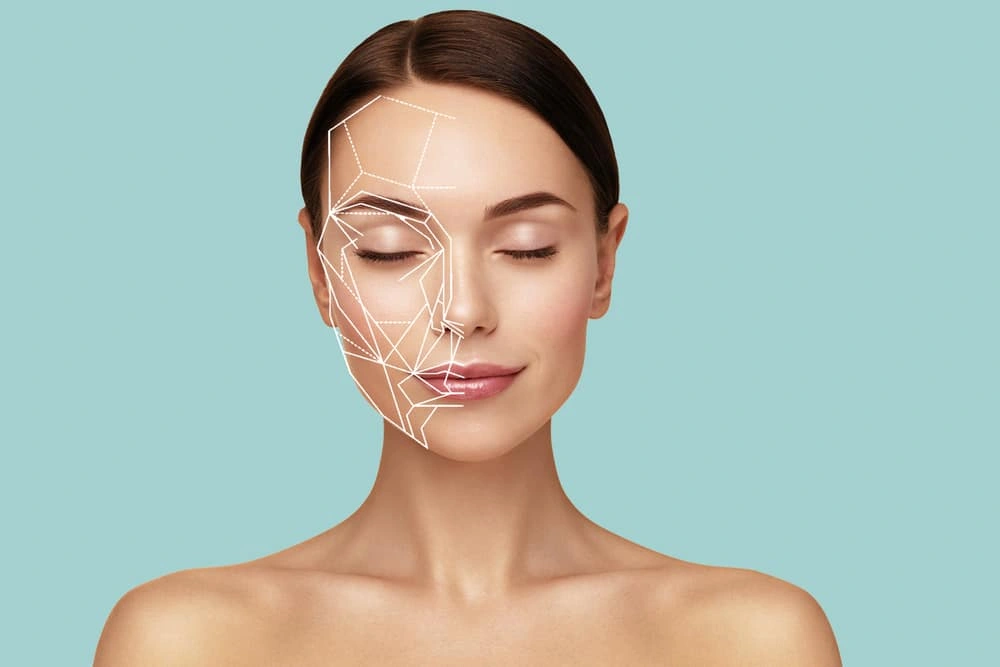
In the world of aesthetic and reconstructive procedures, the goal has evolved beyond dramatic transformations to a focus on enhancing natural beauty. Patients increasingly seek subtle, harmonious results that preserve their individuality while improving their appearance. This shift has made surgical precision a cornerstone of modern cosmetic and reconstructive surgery. By combining meticulous technique with a deep understanding of facial and body anatomy, surgeons can achieve results that look both natural and refined.
Understanding Surgical Precision in Aesthetics
Surgical precision refers to the exacting care and accuracy with which procedures are planned and performed. It involves:
- Detailed anatomical knowledge: Understanding muscle structure, bone framework, and skin elasticity.
- Advanced planning tools: Using imaging, 3D modeling, and simulation to visualize outcomes.
- Refined surgical techniques: Minimizing trauma, ensuring symmetry, and preserving natural contours.
The goal is not simply to change appearances but to enhance features in a way that aligns with each individual’s unique characteristics. Precision allows surgeons to make small, deliberate adjustments that result in dramatic improvements without appearing artificial.
The Importance of Natural Results
Patients today prefer results that are undetectable yet impactful. Overly aggressive procedures can lead to unnatural appearances, which may undermine confidence rather than enhance it. Surgical precision ensures that interventions, whether they are facelifts, rhinoplasty, or body contouring, maintain the harmony of features. Key benefits of prioritizing natural results include:
- Confidence and comfort: Patients feel more like themselves, just refined.
- Longevity: Natural enhancements often age more gracefully than extreme alterations.
- Social acceptance: Subtle changes are less likely to draw unwanted attention or stigma.
Techniques That Rely on Precision
1. Facial Procedures
In facial aesthetics, surgical precision is critical for procedures like:
- Rhinoplasty: Refining the nose to balance proportions with the rest of the face.
- Facelift: Tightening tissues without over-stretching, preserving natural expressions.
- Blepharoplasty: Enhancing eyelids while avoiding a “surgical” or pulled look.
Each procedure requires careful measurement, precise incisions, and controlled adjustments to achieve symmetry and proportion.
2. Body Contouring
Precision is equally important in body procedures such as liposuction, abdominoplasty, or fat transfer. The surgeon must sculpt tissues carefully, avoiding uneven contours or asymmetry, to maintain natural body lines and a harmonious silhouette.
3. Reconstructive Surgery
Beyond aesthetics, reconstructive surgery demands surgical precision to restore both function and appearance. Procedures following trauma, congenital differences, or medical conditions must be carefully executed to ensure optimal recovery and a natural-looking result.
The Role of Technology
Modern surgical technology enhances precision and improves outcomes:
- 3D Imaging and Simulation: Helps plan procedures accurately and visualize results.
- Minimally Invasive Tools: Allow surgeons to make precise adjustments with smaller incisions and faster recovery.
- Laser and Ultrasonic Devices: Enhance accuracy in tissue sculpting and reduce post-operative trauma.
By combining skilled hands with advanced technology, surgeons can achieve remarkable results that remain subtle and authentic.
Recovery and Aftercare
Precision surgery also affects recovery. Less invasive and carefully executed procedures often result in:
- Reduced swelling and bruising
- Shorter downtime
- Minimized risk of complications
- Faster return to daily activities
Following post-operative guidelines is essential to preserve surgical results and support natural healing.
Choosing the Right Surgeon
Achieving natural beauty through surgical precision depends heavily on the surgeon’s expertise. Patients should look for:
- Board certification and specialized training
- Experience in procedures tailored to natural enhancement
- Strong aesthetic sensibility and understanding of facial/body harmony
- Use of advanced technology to plan and execute procedures
Consultations are an opportunity to discuss goals, expectations, and how precise techniques can achieve subtle yet transformative results.