
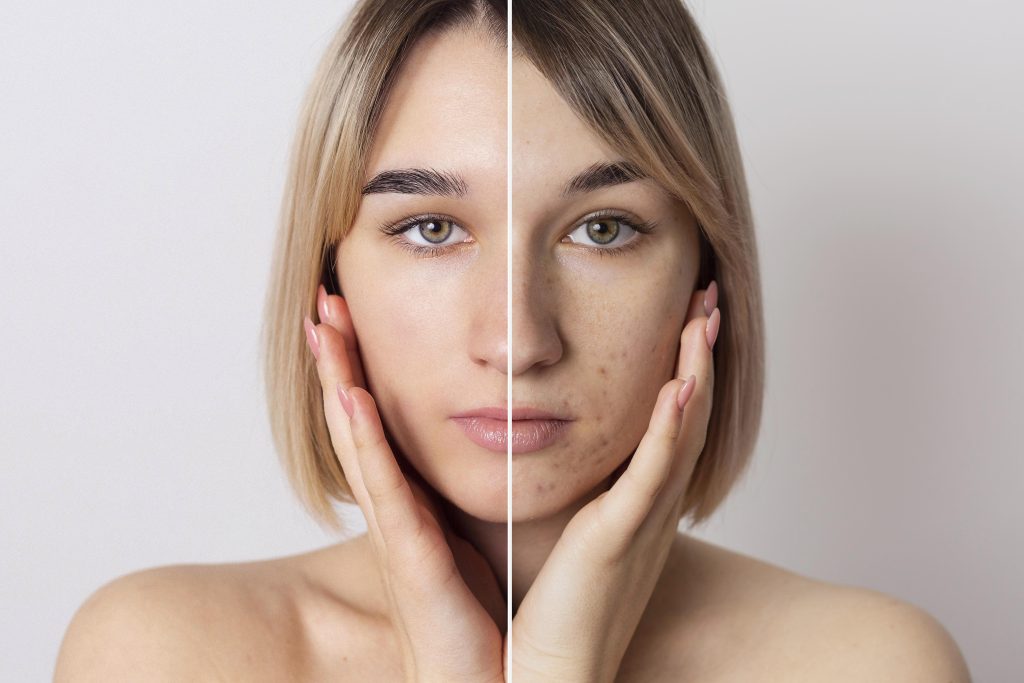
How stress and hormones affect skin appearance is a critical topic for anyone looking to maintain healthy, glowing skin. Our skin is a reflection of overall health, and factors like stress and hormonal fluctuations can directly influence its texture, tone, and clarity. Understanding this connection can help individuals adopt better skincare routines and lifestyle habits to protect and enhance their skin’s appearance.
The Link Between Stress and Skin
Stress triggers a cascade of physiological responses in the body, including the release of cortisol, commonly known as the stress hormone. While cortisol is essential for regulating various bodily functions, chronic stress and elevated cortisol levels can negatively impact the skin in several ways:
- Increased oil production: Elevated cortisol stimulates sebaceous glands, which can lead to oily skin and clogged pores, increasing the risk of acne.
- Inflammation: Stress promotes inflammatory responses that can worsen conditions like eczema, psoriasis, and rosacea.
- Delayed healing: High cortisol levels slow down the skin’s ability to repair itself, making wounds, blemishes, or acne marks take longer to heal.
- Premature aging: Chronic stress contributes to the breakdown of collagen and elastin, leading to fine lines, wrinkles, and loss of skin firmness.
Managing stress through mindfulness, exercise, and adequate rest is essential not only for mental well-being but also for maintaining healthy skin.
Hormonal Influences on Skin
Hormones play a significant role in regulating skin functions such as oil production, hydration, and cell turnover. Fluctuations in hormones can cause noticeable changes in skin appearance. Key hormones affecting the skin include:
- Androgens (testosterone): Elevated levels, especially during puberty, can increase oil production and lead to acne.
- Estrogen: Supports skin hydration, elasticity, and collagen production. Declining estrogen levels, such as during menopause, can cause dryness, thinning, and wrinkles.
- Progesterone: Changes during the menstrual cycle can affect oil production, leading to breakouts or skin sensitivity.
- Insulin and blood sugar-related hormones: High sugar intake and insulin resistance can worsen inflammation and acne.
Understanding these hormonal patterns helps in anticipating skin changes and adapting skincare routines accordingly.
Common Skin Issues Linked to Stress and Hormones
The combination of stress and hormonal fluctuations can trigger or exacerbate various skin concerns, including:
- Acne: Often worsened by elevated cortisol and androgen levels.
- Rosacea flare-ups: Stress can trigger redness, inflammation, and irritation.
- Dryness and sensitivity: Hormonal changes, particularly reduced estrogen, can cause dryness and increased susceptibility to irritation.
- Hyperpigmentation: Stress and hormones can contribute to uneven skin tone, melasma, or dark spots.
- Premature aging: Chronic stress and hormonal imbalances accelerate collagen breakdown, leading to wrinkles and sagging.
Identifying the underlying causes of these skin issues allows for targeted treatment and better long-term results.
Strategies to Protect Skin Health
Addressing the impact of stress and hormones on skin requires a holistic approach that combines skincare, lifestyle changes, and medical guidance when necessary.
1. Skincare Routine
A well-formulated skincare routine can mitigate the effects of stress and hormonal changes:
- Use gentle cleansers to remove impurities without stripping natural oils.
- Incorporate hydrating and antioxidant-rich products to combat dryness and oxidative stress.
- Use non-comedogenic formulations to reduce the risk of acne flare-ups.
- Apply broad-spectrum sunscreen daily to protect against UV damage, which can worsen hormonal hyperpigmentation and aging.
2. Stress Management
Reducing stress is crucial for both overall health and skin wellness:
- Practice mindfulness, meditation, or yoga
- Engage in regular physical activity
- Maintain social connections and support networks
- Prioritize adequate sleep and relaxation
3. Hormonal Balance
Monitoring hormonal health and seeking medical advice when necessary can help manage skin-related symptoms:
- Consult healthcare providers for hormonal testing if experiencing persistent skin changes
- Explore treatments for hormonal acne or menopausal skin concerns
- Consider lifestyle adjustments, such as balanced nutrition and reduced sugar intake, to support hormonal stability
4. Professional Treatments
In some cases, professional dermatological or aesthetic treatments can help restore skin balance:
- Chemical peels or laser therapy for acne scars and hyperpigmentation
- Microneedling or PRP for skin rejuvenation
- Targeted treatments for inflammation and rosacea
Professional guidance ensures that treatments are safe and tailored to individual skin needs.
How stress and hormones affect skin appearance is a dynamic interplay between physiological and environmental factors. Chronic stress, hormonal imbalances, and lifestyle choices can significantly influence skin health, leading to acne, dryness, premature aging, and inflammation.
By combining a consistent skincare routine, stress management practices, hormonal monitoring, and professional guidance, individuals can protect and enhance their skin. Healthy habits, balanced hormones, and mindful stress control are essential for achieving radiant, resilient skin that reflects overall well-being.
Taking care of your skin is not just about aesthetics—it is an investment in your health, confidence, and quality of life.