
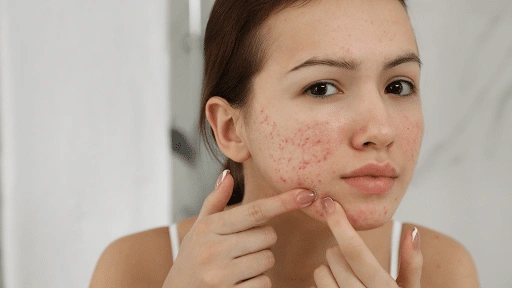
In today’s fast-paced world, stress has become an unavoidable part of daily life. While many people are aware of its impact on mental health, few realize that stress also has profound effects on the skin and overall appearance. From dullness and breakouts to accelerated aging, stress can manifest visibly, reminding us that skin health is closely linked to emotional well-being. Understanding these effects is essential for maintaining a radiant and healthy complexion.
The Connection Between Stress and Skin
Stress triggers the body’s “fight or flight” response, releasing hormones such as cortisol and adrenaline. While these hormones help us respond to immediate threats, chronic stress can have negative consequences on the skin. Cortisol, in particular, increases oil production in the skin’s sebaceous glands, which can lead to acne, clogged pores, and inflammation. Additionally, stress can disrupt the skin’s natural barrier function, making it more susceptible to dryness, irritation, and infections.
Common Skin Issues Caused by Stress
- Acne and Breakouts
Stress-induced hormone fluctuations can stimulate excess oil production, which clogs pores and leads to breakouts. People under stress may also touch or pick at their skin more frequently, worsening acne and causing scarring. - Premature Aging
Chronic stress accelerates the aging process by breaking down collagen and elastin, proteins that keep skin firm and supple. This can result in fine lines, wrinkles, and sagging skin appearing earlier than usual. - Dullness and Uneven Skin Tone
Stress can reduce blood flow to the skin, depriving it of oxygen and essential nutrients. This leads to a lackluster complexion, dark circles under the eyes, and uneven skin tone. - Inflammatory Skin Conditions
Conditions like eczema, psoriasis, and rosacea can flare up under stress. Cortisol-induced inflammation exacerbates these conditions, causing redness, itching, and discomfort. - Hair and Nail Issues
Stress doesn’t just affect the skin. It can also cause hair thinning, hair loss, and brittle nails, further impacting overall appearance and confidence.
The Psychological Impact
The visible effects of stress on the skin can also have psychological consequences. Experiencing breakouts, premature aging, or flare-ups of chronic skin conditions can increase anxiety, lower self-esteem, and create a cycle where stress worsens skin problems, and skin problems, in turn, increase stress. This highlights the importance of addressing both emotional and physical aspects of stress for overall well-being.
Strategies to Minimize Stress-Related Skin Damage
- Practice Stress Management Techniques
Mindfulness, meditation, yoga, and deep breathing exercises are effective ways to lower cortisol levels and calm the nervous system. Regular practice can reduce the frequency and severity of stress-related skin issues. - Maintain a Healthy Skincare Routine
Gentle cleansing, moisturizing, and sun protection are essential for maintaining the skin’s barrier function, especially during stressful periods. Using products with antioxidants like vitamin C can help combat oxidative stress and promote skin repair. - Get Adequate Sleep
Sleep is crucial for skin regeneration. Poor sleep due to stress can lead to dark circles, puffiness, and a dull complexion. Aim for 7–9 hours of quality sleep each night to allow the skin to recover and rejuvenate. - Eat a Balanced Diet
Nutrition plays a vital role in combating stress-induced skin problems. Foods rich in antioxidants, omega-3 fatty acids, and vitamins A, C, and E help reduce inflammation, support collagen production, and maintain a healthy glow. Avoid excessive sugar and processed foods that can trigger breakouts. - Exercise Regularly
Physical activity improves blood circulation, delivering oxygen and nutrients to the skin. It also helps reduce stress levels by releasing endorphins, the body’s natural mood boosters. - Seek Professional Help When Needed
If stress is overwhelming, consulting a therapist, counselor, or dermatologist can provide guidance. They can recommend treatments, lifestyle changes, or interventions to manage stress and its effects on the skin.
Long-Term Benefits of Managing Stress for Skin Health
By effectively managing stress, you not only improve your mental and emotional well-being but also protect your skin from long-term damage. Healthy coping mechanisms can prevent premature aging, reduce breakouts, and keep chronic skin conditions under control. Over time, this holistic approach results in a radiant complexion and a confident appearance that reflects inner wellness.
Conclusion
Stress affects the skin and appearance in more ways than most people realize. From acne and inflammation to premature aging and dullness, the physical manifestations of stress highlight the close connection between emotional health and skin health. By adopting stress management techniques, maintaining a balanced diet, following a consistent skincare routine, and seeking professional support when necessary, you can minimize the impact of stress on your skin. Prioritizing both mental and physical wellness ensures not only a healthy complexion but also a confident, vibrant, and youthful appearance.