
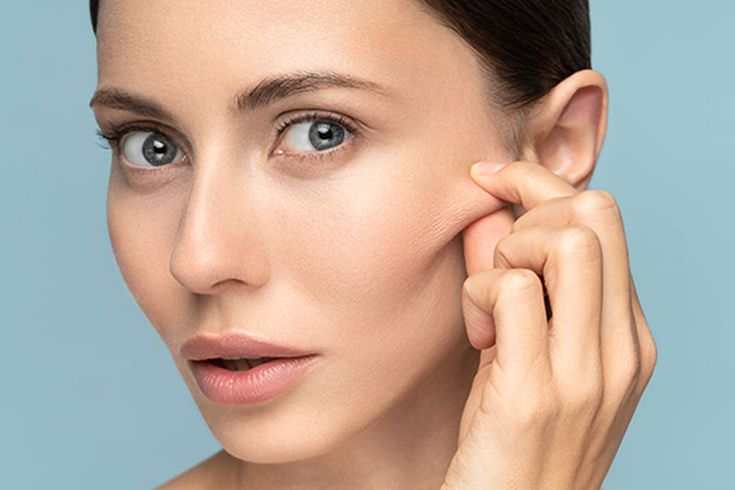
Skin elasticity is one of the key factors that keep your skin looking firm, smooth, and youthful. Over time, however, it naturally declines. Understanding how skin elasticity changes with age can help you take the right steps to maintain healthier and more resilient skin.
What Is Skin Elasticity?
Skin elasticity refers to the skin’s ability to stretch and return to its original shape. This flexibility is mainly due to two essential proteins found in the skin: collagen and elastin. Collagen provides structure and strength, while elastin allows the skin to bounce back after stretching.
When these proteins are abundant, your skin appears firm and youthful. As their levels decrease, the skin begins to sag, wrinkle, and lose its natural glow.
How Skin Elasticity Changes With Age
The aging process affects the skin in several ways. One of the most noticeable changes is the gradual loss of elasticity. This process typically begins in your mid-20s and becomes more visible as you grow older.
1. Decrease in Collagen Production
Collagen production slows down as you age. By the time you reach your 30s and 40s, your body produces significantly less collagen than it did in your youth. This reduction weakens the skin’s structure, making it more prone to sagging and fine lines.
2. Breakdown of Elastin Fibers
Elastin fibers also degrade over time. Unlike collagen, elastin is not easily replaced once it is damaged. This makes the loss of elasticity more noticeable, especially in areas like the face, neck, and hands.
3. Thinning of the Skin
As you age, the outer layer of your skin becomes thinner. This makes it less resilient and more vulnerable to environmental damage, which further accelerates the loss of elasticity.
4. Reduced Natural Oil Production
The skin produces less oil as you age, leading to dryness. Dry skin lacks the plumpness needed to maintain elasticity, making wrinkles and sagging more apparent.
Signs of Reduced Skin Elasticity
Understanding the signs can help you identify early changes and take preventive action. Common indicators include:
- Sagging skin around the jawline and cheeks
- Fine lines and wrinkles
- Loose skin, especially under the eyes and on the neck
- Reduced firmness and bounce
- Dull and uneven skin texture
These changes are natural but can be managed with proper care.
Factors That Accelerate Elasticity Loss
While aging is inevitable, certain factors can speed up the process of elasticity loss.
Sun Exposure
Prolonged exposure to UV rays damages collagen and elastin fibers. This process, known as photoaging, is one of the leading causes of premature skin aging.
Poor Diet
A lack of essential nutrients, especially vitamins C and E, can weaken the skin’s ability to repair and maintain itself.
Smoking
Smoking reduces blood flow to the skin and breaks down collagen, leading to faster aging and reduced elasticity.
Lack of Hydration
Dehydrated skin loses its plumpness and becomes more prone to sagging and wrinkles.
Stress and Sleep Deprivation
Chronic stress and insufficient sleep can disrupt the skin’s repair process, contributing to early signs of aging.
How to Maintain Skin Elasticity
Even though you cannot completely stop aging, you can slow down the process and maintain healthier skin with the right habits.
Follow a Skincare Routine
Using products that support collagen production and hydration is essential. Look for ingredients like retinol, hyaluronic acid, and vitamin C.
Protect Your Skin From the Sun
Daily use of sunscreen helps prevent UV damage, which is a major factor in elasticity loss. Even on cloudy days, sun protection is important.
Stay Hydrated
Drinking enough water keeps your skin hydrated and supports its natural elasticity.
Eat a Balanced Diet
Include foods rich in antioxidants, healthy fats, and vitamins. Fruits, vegetables, nuts, and fish can help improve skin health.
Exercise Regularly
Physical activity improves blood circulation, which helps deliver nutrients to the skin and supports collagen production.
Get Enough Sleep
Sleep is essential for skin repair and regeneration. Aim for 7–8 hours of quality sleep each night.
Treatments That Support Skin Elasticity
For those looking for additional support, there are several non-invasive and advanced treatments available.
- Collagen-boosting facials
- Laser therapies
- Radiofrequency treatments
- Microneedling
These treatments can help improve skin firmness and stimulate natural collagen production over time.
Dr. Ahmad Houmsie is a highly skilled plastic and aesthetic surgeon in Dubai, with extensive clinical training and international credentials. He offers advanced cosmetic procedures for the face and body — including rhinoplasty, liposuction, breast surgery, tummy tuck, facelifts, and more — using state‑of‑the‑art techniques tailored to each patient. For anyone seeking expert guidance and transformative results, booking a consultation directly with Dr. Ahmad Houmsie ensures personalized care and professional excellence.