
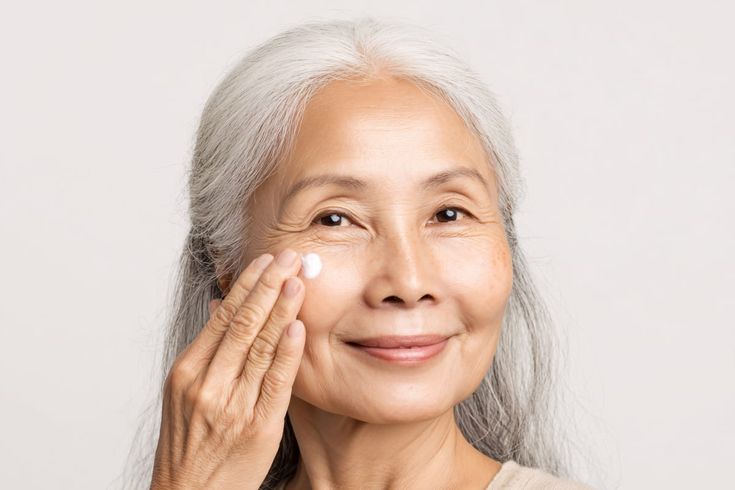
Our skin is constantly exposed to the environment, acting as a barrier against harmful elements. While aging naturally occurs over time, environmental factors like pollution can accelerate the process, leading to premature wrinkles, pigmentation, and loss of elasticity. Understanding how pollution impacts skin aging is essential for protecting your skin and maintaining a youthful, healthy appearance.
What is Pollution and How Does it Affect the Skin?
Pollution refers to harmful substances in the air, water, and soil, including particulate matter (PM), nitrogen dioxide, sulfur dioxide, heavy metals, and volatile organic compounds (VOCs). Among these, air pollution is particularly detrimental to skin health. Fine particles in polluted air can penetrate the skin barrier, causing oxidative stress, inflammation, and cellular damage—all of which contribute to accelerated aging.
The Science Behind Pollution-Induced Skin Aging
Pollutants trigger oxidative stress, a condition in which free radicals overwhelm the skin’s natural defenses. Free radicals are unstable molecules that damage skin cells, proteins, and DNA. Collagen and elastin, the proteins responsible for skin firmness and elasticity, are particularly vulnerable. Damage to these proteins leads to sagging, fine lines, and wrinkles.
Additionally, pollutants can weaken the skin barrier, making it more prone to irritation, dryness, and sensitivity. Chronic exposure to environmental toxins can also impair the skin’s natural repair mechanisms, causing a dull complexion and uneven skin tone.
Signs of Pollution-Induced Skin Aging
Pollution can manifest in several visible ways:
- Fine Lines and Wrinkles: Oxidative stress breaks down collagen and elastin, leading to early formation of lines and wrinkles.
- Uneven Skin Tone: Pollutants can trigger melanin production, resulting in dark spots, hyperpigmentation, and an uneven complexion.
- Loss of Elasticity: The skin may appear saggy or less firm due to the degradation of structural proteins.
- Dryness and Sensitivity: Pollutants strip away natural oils, leaving skin dry, tight, and reactive.
- Dullness: Impaired skin cell turnover leads to a lack of radiance and a tired appearance.
How Specific Pollutants Affect the Skin
- Particulate Matter (PM2.5 and PM10)
These tiny airborne particles penetrate deep into the skin and cause inflammation, oxidative stress, and damage to collagen fibers. Long-term exposure is strongly linked to premature wrinkles and hyperpigmentation. - Nitrogen Dioxide (NO2)
NO2, commonly produced by vehicle emissions, depletes antioxidants in the skin, weakening its defense against free radicals. This contributes to loss of firmness and accelerated aging. - Heavy Metals
Pollutants such as lead, cadmium, and mercury accumulate in the skin and interfere with normal cellular processes. They can trigger inflammation, oxidative stress, and pigmentation disorders. - Volatile Organic Compounds (VOCs)
VOCs from industrial emissions and indoor sources irritate the skin and disrupt its natural protective barrier, increasing sensitivity and dryness.
Protective Skincare Measures
While avoiding pollution entirely may be impossible, several strategies can help minimize its impact and slow skin aging:
1. Cleansing
Proper cleansing removes pollutants, dirt, and makeup residues that accumulate on the skin. Use a gentle, antioxidant-rich cleanser twice daily to prevent buildup without stripping natural oils.
2. Antioxidants
Topical antioxidants, such as vitamin C, vitamin E, and niacinamide, neutralize free radicals caused by pollution. These ingredients protect collagen, prevent pigmentation, and improve overall skin resilience.
3. Sun Protection
UV exposure worsens the effects of pollution by generating additional free radicals. Applying broad-spectrum SPF daily shields your skin from both sun and environmental stressors.
4. Barrier Repair
Moisturizers containing ceramides, hyaluronic acid, and peptides strengthen the skin barrier, reducing sensitivity and moisture loss caused by pollutants.
5. Regular Exfoliation
Exfoliating 1–2 times per week helps remove dead skin cells and pollutants, promoting a healthy glow and preventing dullness. However, avoid over-exfoliation, which can weaken the skin barrier.
6. Lifestyle Measures
- Diet: Consuming antioxidant-rich foods like berries, green tea, and leafy vegetables helps combat oxidative stress from within.
- Hydration: Adequate water intake maintains skin moisture and resilience.
- Indoor Air Quality: Using air purifiers and avoiding smoking indoors can reduce pollutant exposure.
Advanced Protection and Treatments
For those living in highly polluted urban areas, additional measures can further protect the skin:
- Serums and Ampoules: Concentrated antioxidant formulations provide enhanced protection.
- Professional Treatments: Facials, chemical peels, and laser therapies can repair damage and stimulate collagen production.
- Pollution-Defensive Skincare: Some products are specifically formulated to form a protective barrier against particulate matter and environmental toxins.
Dr. Ahmad Houmsie is a highly skilled plastic and aesthetic surgeon in Dubai, with extensive clinical training and international credentials. He offers advanced cosmetic procedures for the face and body — including rhinoplasty, liposuction, breast surgery, tummy tuck, facelifts, and more — using state‑of‑the‑art techniques tailored to each patient. For anyone seeking expert guidance and transformative results, booking a consultation directly with Dr. Ahmad Houmsie ensures personalized care and professional excellence.