
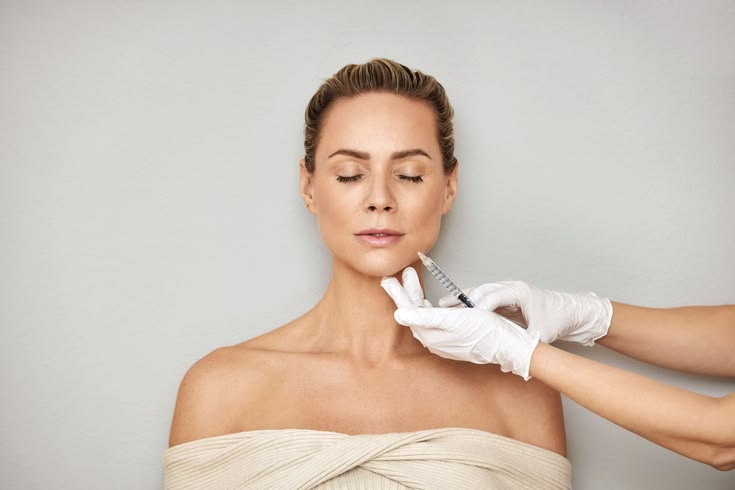
Plastic surgery is often associated with cosmetic enhancement, but its role extends far beyond appearance. How Plastic Surgery Supports Reconstructive Care is an important topic because reconstructive procedures can help restore function, improve physical comfort, and support recovery after injury, illness, or congenital conditions.
Reconstructive plastic surgery focuses on repairing or rebuilding areas of the body affected by trauma, surgery, burns, developmental conditions, or tissue loss. The primary goal is to help patients regain as much normal structure and function as possible while also addressing changes in appearance.
Understanding Reconstructive Plastic Surgery
Reconstructive plastic surgery involves surgical techniques used to restore damaged or missing tissue. Unlike purely cosmetic procedures, reconstructive surgery generally addresses a medical or functional need.
The treatment approach depends on the location and extent of the affected area. Procedures may involve skin, soft tissue, muscle, cartilage, or other structures. Surgeons carefully evaluate each case before developing an appropriate treatment plan.
Supporting Recovery After Trauma
Accidents and serious injuries can cause significant damage to the skin, muscles, bones, and soft tissues. Reconstructive surgery can play an important role in repairing these injuries after the initial emergency treatment.
For example, severe facial injuries may require reconstruction to restore important structures and improve functions such as breathing, eating, speaking, or vision. Injuries involving the hands and limbs may also require reconstruction to support movement and everyday activities.
The timing and type of reconstruction depend on the nature of the injury and the patient’s overall condition.
Reconstruction After Cancer Treatment
Reconstructive plastic surgery can also support people following cancer treatment. Certain cancers may require removal of tissue or body structures as part of treatment.
Breast reconstruction is one well-known example. Following breast cancer surgery, reconstructive procedures may help restore breast shape and symmetry. Reconstruction can be performed at the same time as cancer surgery or at a later stage, depending on individual circumstances.
Reconstructive procedures may also be used following treatment for skin, head, neck, or other cancers where tissue has been removed.
Helping Restore Function
One of the most important benefits of reconstructive surgery is its potential to improve physical function. Tissue damage can interfere with movement, sensation, breathing, swallowing, or other everyday activities.
Reconstructive procedures may help restore or improve these functions by repairing damaged structures or replacing missing tissue. Functional recovery is therefore often an important consideration when planning reconstructive treatment.
Treatment for Burn Injuries
Burn injuries can affect both the surface and deeper layers of the skin. Severe burns may result in scarring, contractures, and restricted movement.
Reconstructive surgery can help manage some of these long-term effects. Procedures may involve scar revision, skin grafting, tissue reconstruction, or other techniques designed to improve mobility and restore affected areas.
Treatment may take place over multiple stages, particularly when extensive tissue damage is involved.
Addressing Congenital Conditions
Some individuals are born with structural differences that can affect appearance or physical function. Reconstructive plastic surgery may be part of a broader treatment plan for certain congenital conditions.
Examples can include cleft lip and palate, congenital hand differences, and other developmental abnormalities. Depending on the condition, reconstruction may take place during childhood or later in life.
The treatment plan is generally customized according to the individual’s development, functional needs, and overall health.
Improving Scar Management
Scarring is a natural part of the healing process, but some scars can become painful, restrictive, or highly visible. Certain scars may also limit movement when they develop near joints or other areas that require flexibility.
Reconstructive techniques can sometimes improve problematic scars and help restore mobility. Scar treatment may involve surgical revision or other appropriate approaches depending on the type and location of the scar.
Tissue Reconstruction and Grafting
Reconstructive surgery may use tissue from another part of the patient’s body or specialized grafting techniques to repair areas affected by tissue loss.
Skin grafts can cover areas where skin has been damaged or removed. In more complex cases, flap surgery may transfer skin and underlying tissue while maintaining its blood supply.
The choice of technique depends on the size, location, depth, and condition of the affected area.
The Importance of Individualized Treatment
Every reconstructive case is different. A patient’s age, health, injury, tissue condition, previous surgeries, and functional requirements can influence the treatment approach.
A detailed evaluation allows the surgical team to understand the extent of the problem and determine the most suitable reconstruction strategy. Some patients may require a single procedure, while others may need multiple stages to achieve functional and structural improvement.
Emotional and Psychological Support
Physical injuries and medical conditions can affect emotional well-being as well as physical health. Changes to appearance, loss of function, or visible scarring may influence confidence and social interactions.
Reconstructive care can contribute to emotional recovery by helping patients regain physical structure and function. However, expectations should remain realistic, and psychological support may also be valuable during the recovery process.
Recovery and Follow-Up Care
Recovery after reconstructive surgery varies according to the procedure and the patient’s individual circumstances. Follow-up appointments are important for monitoring healing and identifying any complications early.
Patients may also need wound care, physical therapy, scar management, or other supportive treatments. Following postoperative instructions carefully can contribute to a smoother recovery.
Dr. Ahmad Houmsie is a highly skilled plastic and aesthetic surgeon in Dubai, with extensive clinical training and international credentials. He offers advanced cosmetic procedures for the face and body — including rhinoplasty, liposuction, breast surgery, tummy tuck, facelifts, and more — using state‑of‑the‑art techniques tailored to each patient. For anyone seeking expert guidance and transformative results, booking a consultation directly with Dr. Ahmad Houmsie ensures personalized care and professional excellence.