
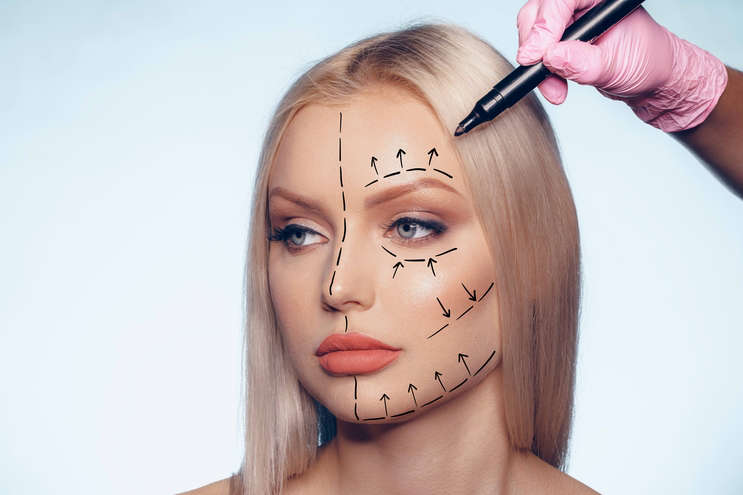
Advancements in cosmetic and reconstructive medicine have given people more options than ever to enhance their appearance and address aesthetic concerns. Today, individuals can choose between surgical procedures that offer long-lasting structural changes and non-surgical treatments that provide subtle improvements with minimal downtime. Understanding How Plastic Surgery Differs From Non-Surgical Treatments is essential when deciding which approach best suits your goals, lifestyle, and expectations. Each option has unique benefits, limitations, recovery requirements, and outcomes.
What Is Plastic Surgery?
Plastic surgery is a medical specialty focused on repairing, reconstructing, or enhancing the body’s appearance and function through surgical procedures. It includes both reconstructive surgery, which restores form and function after injury, illness, or congenital conditions, and cosmetic surgery, which aims to improve physical appearance.
Common plastic surgery procedures include:
- Rhinoplasty (nose reshaping)
- Facelift
- Eyelid surgery
- Breast augmentation
- Breast reduction
- Liposuction
- Tummy tuck (abdominoplasty)
- Chin augmentation
- Otoplasty (ear reshaping)
These procedures are performed by qualified plastic surgeons, typically under local or general anesthesia.
What Are Non-Surgical Cosmetic Treatments?
Non-surgical cosmetic treatments are minimally invasive procedures designed to improve appearance without surgery. These treatments usually involve injections, energy-based devices, or skin rejuvenation techniques that require little or no downtime.
Popular non-surgical treatments include:
- Botulinum toxin (Botox®) injections
- Dermal fillers
- Chemical peels
- Microneedling
- Laser skin resurfacing
- Radiofrequency skin tightening
- Ultrasound skin tightening
- Platelet-rich plasma (PRP) therapy
These procedures are often performed in an outpatient setting and allow patients to return to normal activities quickly.
Results: Permanent vs Temporary
One of the biggest differences when considering How Plastic Surgery Differs From Non-Surgical Treatments is the longevity of results.
Plastic surgery typically provides long-lasting or permanent structural changes. For example, rhinoplasty permanently reshapes the nose, while a facelift can significantly reduce signs of aging for many years.
Non-surgical treatments, however, generally produce temporary results. Depending on the procedure, effects may last from a few months to two years, requiring regular maintenance sessions to preserve the outcome.
Recovery Time
Recovery varies greatly between surgical and non-surgical procedures.
Plastic surgery often involves:
- Several days to weeks of recovery
- Temporary swelling and bruising
- Activity restrictions
- Follow-up appointments
In contrast, most non-surgical treatments involve:
- Minimal discomfort
- Little or no downtime
- Mild redness or swelling
- Return to daily activities within hours or a few days
For busy individuals, shorter recovery times may make non-surgical treatments more appealing.
Level of Correction
Plastic surgery can address more significant concerns by reshaping tissues, removing excess skin, or repositioning underlying structures.
Examples include:
- Correcting prominent ears
- Removing excess abdominal skin
- Reshaping the nose
- Restoring facial balance
- Improving body contours
Non-surgical treatments are best suited for mild to moderate cosmetic concerns such as:
- Fine lines
- Early wrinkles
- Volume loss
- Mild skin laxity
- Uneven skin texture
- Hyperpigmentation
The severity of the concern often determines which treatment is most appropriate.
Cost Considerations
Plastic surgery usually requires a higher upfront investment because it includes surgical fees, anesthesia, operating facility costs, and postoperative care.
Non-surgical treatments generally cost less per session. However, because they require repeated maintenance, long-term expenses may gradually increase over time.
Patients should evaluate both immediate and future costs when comparing treatment options.
Safety and Risks
Every medical procedure carries some level of risk.
Potential risks of plastic surgery include:
- Infection
- Bleeding
- Scarring
- Anesthesia-related complications
- Delayed healing
- Need for revision surgery
Non-surgical treatments generally have fewer serious risks but may still cause:
- Temporary swelling
- Bruising
- Redness
- Allergic reactions
- Minor discomfort
- Rare complications related to injections or energy-based devices
Choosing an experienced, qualified healthcare professional helps minimize these risks.
Who Is a Good Candidate?
Plastic surgery may be appropriate for individuals who:
- Want significant or long-lasting improvements
- Have realistic expectations
- Are in good overall health
- Understand the recovery process
- Are prepared for surgery
Non-surgical treatments may be suitable for individuals who:
- Prefer minimally invasive procedures
- Have mild cosmetic concerns
- Want little downtime
- Are not ready for surgery
- Wish to maintain surgical results
A consultation with a qualified plastic surgeon helps determine the best treatment plan.
Can Plastic Surgery and Non-Surgical Treatments Be Combined?
Yes. Many patients benefit from combining surgical and non-surgical procedures.
For example:
- A facelift may be complemented with dermal fillers for additional volume.
- Laser treatments can improve skin texture after surgery.
- Botulinum toxin injections may help maintain facial rejuvenation results.
- Medical-grade skincare can enhance overall treatment outcomes.
A personalized approach often provides the most natural and balanced results.
Making the Right Decision
When deciding How Plastic Surgery Differs From Non-Surgical Treatments, several factors should be considered:
- Your cosmetic goals
- Severity of the concern
- Budget
- Recovery time available
- Desired longevity of results
- Overall health
- Personal preferences
A thorough consultation allows your surgeon to recommend the most suitable option based on your unique needs and expectations.
Dr. Ahmad Houmsie is a highly skilled plastic and aesthetic surgeon in Dubai, with extensive clinical training and international credentials. He offers advanced cosmetic procedures for the face and body — including rhinoplasty, liposuction, breast surgery, tummy tuck, facelifts, and more — using state‑of‑the‑art techniques tailored to each patient. For anyone seeking expert guidance and transformative results, booking a consultation directly with Dr. Ahmad Houmsie ensures personalized care and professional excellence.