
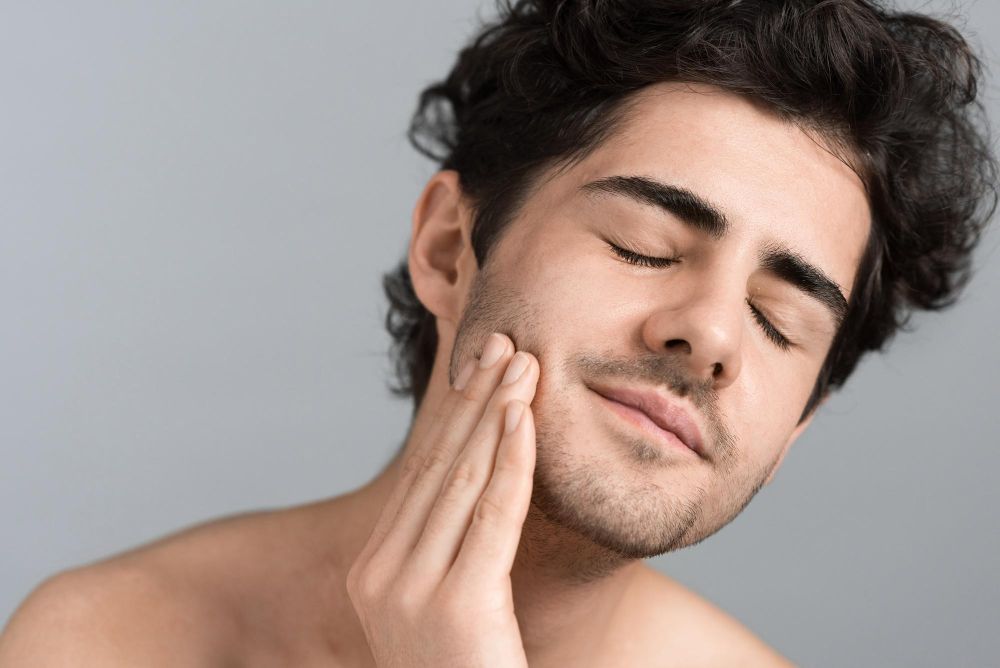
Healthy skin is influenced by much more than genetics or skincare products. Everyday lifestyle choices—including diet, exercise, sleep, stress management, hydration, and sun protection—play a significant role in maintaining healthy skin. Men’s skin is generally thicker and produces more oil than women’s, making it susceptible to concerns such as acne, enlarged pores, irritation, and premature aging. Understanding How Lifestyle Affects Male Skin Health can help men adopt healthy habits that promote clearer, stronger, and healthier-looking skin over the long term.
Why Lifestyle Matters for Skin Health
The skin is the body’s largest organ and reflects your overall health. While skincare products can improve skin appearance, they work best when combined with healthy daily habits.
The benefits of a healthy lifestyle include:
- Healthier skin texture
- Better hydration
- Improved skin barrier function
- Reduced inflammation
- Slower visible signs of aging
- Improved wound healing
- A brighter, more even complexion
Small, consistent changes can make a noticeable difference over time.
Eat a Nutrient-Rich Diet
One of the most important aspects of How Lifestyle Affects Male Skin Health is nutrition. The skin requires essential vitamins, minerals, healthy fats, and proteins to repair itself and maintain its natural barrier.
A balanced diet should include:
- Fresh fruits
- Leafy green vegetables
- Whole grains
- Lean proteins
- Healthy fats from nuts, seeds, and fish
Foods rich in vitamins A, C, E, zinc, and omega-3 fatty acids help support healthy skin and protect it from environmental damage.
At the same time, limiting highly processed foods, sugary snacks, and excessive alcohol may contribute to better overall skin health.
Stay Hydrated
Water is essential for healthy skin. Proper hydration supports normal skin function and helps maintain skin elasticity.
Drinking enough water may help:
- Support skin hydration
- Improve skin texture
- Maintain the skin’s protective barrier
- Reduce dryness
Hydration needs vary from person to person, so aim to drink water regularly throughout the day, especially in hot weather or after exercise.
Get Quality Sleep
Sleep is when the body repairs and regenerates tissues, including the skin.
Poor sleep may contribute to:
- Dull-looking skin
- Dark circles under the eyes
- Increased stress
- Slower skin recovery
Most adults benefit from 7–9 hours of quality sleep each night. Maintaining a consistent sleep schedule supports both overall health and skin wellness.
Exercise Regularly
Physical activity benefits the skin by improving blood circulation, which helps deliver oxygen and nutrients to skin cells.
Regular exercise may:
- Promote a healthy complexion
- Support collagen production
- Help manage stress
- Improve overall wellness
After exercising, showering and cleansing the skin can help remove sweat, oil, and bacteria that may contribute to clogged pores.
Manage Stress
Stress can affect many aspects of health, including the skin.
Chronic stress may contribute to:
- Acne breakouts
- Increased skin sensitivity
- Delayed wound healing
- Certain inflammatory skin conditions
Stress management techniques include:
- Meditation
- Deep breathing exercises
- Regular physical activity
- Spending time outdoors
- Practicing hobbies
- Maintaining healthy social connections
Taking care of your mental well-being can have positive effects on your skin.
Protect Your Skin from the Sun
Daily sun protection is one of the most effective ways to maintain healthy skin.
Excessive ultraviolet (UV) exposure can contribute to:
- Premature skin aging
- Sunburn
- Uneven skin tone
- Dark spots
- Increased risk of skin cancer
Protect your skin by:
- Applying a broad-spectrum sunscreen with SPF 30 or higher
- Wearing protective clothing
- Using sunglasses
- Seeking shade during peak sunlight hours
Sun protection should be part of your daily routine, even on cloudy days.
Avoid Smoking and Limit Alcohol
Smoking and excessive alcohol consumption can negatively affect skin health.
Smoking may:
- Reduce blood flow to the skin
- Accelerate wrinkle formation
- Slow wound healing
- Cause a dull complexion
Excessive alcohol can contribute to dehydration and skin irritation.
Avoiding tobacco and consuming alcohol in moderation supports healthier skin and overall wellness.
Follow a Consistent Skincare Routine
Along with healthy lifestyle habits, a simple skincare routine helps maintain clean and healthy skin.
A basic routine includes:
- Cleansing twice daily
- Using a moisturizer suited to your skin type
- Applying sunscreen every morning
- Shaving carefully with clean equipment
- Avoiding harsh scrubbing
Choosing products designed for your skin type can improve comfort and skin health.
Know When to See a Dermatologist
Lifestyle habits are important, but persistent skin concerns may require professional evaluation.
Consult a dermatologist if you experience:
- Severe or persistent acne
- Changing moles or skin lesions
- Chronic rashes
- Excessive dryness or irritation
- Skin infections
- Non-healing wounds
Early diagnosis and treatment can help prevent complications and improve outcomes.
Healthy Habits for Better Skin
To support long-term skin health:
- Eat a balanced diet.
- Drink plenty of water.
- Exercise regularly.
- Sleep well each night.
- Manage stress effectively.
- Protect your skin from the sun.
- Avoid smoking.
- Limit alcohol intake.
- Maintain a consistent skincare routine.
These habits contribute to healthier skin and overall well-being.
Dr. Ahmad Houmsie is a highly skilled plastic and aesthetic surgeon in Dubai, with extensive clinical training and international credentials. He offers advanced cosmetic procedures for the face and body — including rhinoplasty, liposuction, breast surgery, tummy tuck, facelifts, and more — using state‑of‑the‑art techniques tailored to each patient. For anyone seeking expert guidance and transformative results, booking a consultation directly with Dr. Ahmad Houmsie ensures personalized care and professional excellence.