
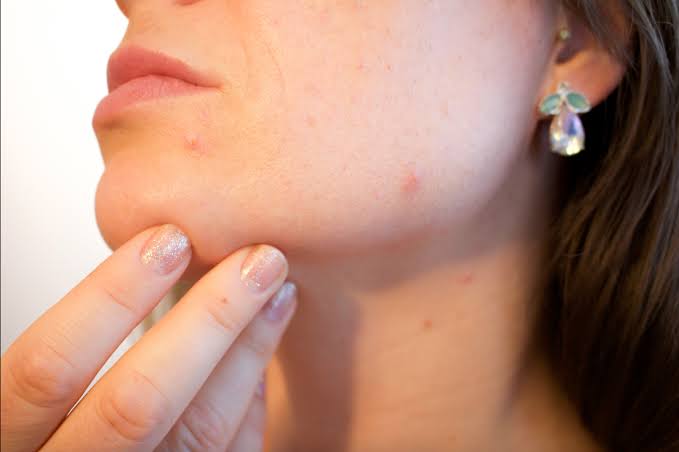
Your skin is often a reflection of what is happening inside your body, and hormones play a significant role in maintaining its health and appearance. From puberty and pregnancy to menopause and aging, hormonal fluctuations can influence oil production, hydration, pigmentation, elasticity, and even the skin’s ability to heal. Understanding How Hormones Can Influence Skin Changes helps you recognize why your skin may change over time and how healthy habits and professional skincare advice can support long-term skin health.
What Are Hormones?
Hormones are chemical messengers produced by glands in the endocrine system. They regulate many body functions, including growth, metabolism, reproduction, mood, and skin health. Because hormones affect the skin’s structure and function, changes in hormone levels can lead to noticeable differences in how your skin looks and feels.
While hormonal changes are a normal part of life, persistent or severe skin concerns should be evaluated by a qualified healthcare professional or dermatologist.
The Connection Between Hormones and Skin
Understanding How Hormones Can Influence Skin Changes begins with recognizing that hormones affect several important skin functions, including:
- Oil (sebum) production
- Skin hydration
- Collagen production
- Skin elasticity
- Pigmentation
- Wound healing
- Hair growth
Even small hormonal fluctuations can have visible effects on the skin.
Hormonal Changes During Puberty
Puberty is one of the first stages when hormones significantly affect the skin.
Increased levels of hormones stimulate the sebaceous (oil) glands, causing them to produce more sebum. Excess oil can combine with dead skin cells and clog pores, increasing the likelihood of acne and breakouts.
During puberty, many people may experience:
- Oily skin
- Blackheads
- Whiteheads
- Acne
- Enlarged pores
A gentle skincare routine and professional advice, when needed, can help manage these changes.
Hormones During Pregnancy
Pregnancy causes significant hormonal changes that may affect the skin in different ways.
Some women notice:
- A healthy, radiant complexion
- Increased skin sensitivity
- Changes in pigmentation
- Darker patches on the face
- Stretch marks
These changes vary from person to person and often improve after pregnancy. Any concerning skin symptoms should be discussed with a healthcare provider.
Hormonal Changes During Menopause
Menopause is another stage when hormones have a major influence on skin health.
As estrogen levels decline, women may notice:
- Dry skin
- Reduced elasticity
- Fine lines and wrinkles
- Thinner skin
- Slower wound healing
Moisturizing regularly, protecting the skin from the sun, and following a healthy lifestyle can help support skin health during this stage.
Stress Hormones and Skin
Stress doesn’t just affect emotional well-being—it can also influence your skin.
When stress levels increase, the body releases hormones such as cortisol, which may contribute to:
- Acne flare-ups
- Increased oil production
- Skin sensitivity
- Slower healing
- Worsening of certain inflammatory skin conditions
Managing stress through exercise, relaxation techniques, and adequate sleep can benefit both your overall health and your skin.
Hormones and Skin Aging
Hormones also play a role in maintaining collagen and elastin, two proteins responsible for keeping the skin firm and flexible.
As hormone levels change with age, collagen production naturally declines, leading to:
- Fine lines
- Wrinkles
- Reduced skin firmness
- Loss of elasticity
Daily sun protection and a consistent skincare routine can help support healthy aging.
Healthy Habits That Support Hormonal Skin Health
Although hormonal changes cannot always be prevented, healthy lifestyle habits can help maintain healthier skin.
Helpful habits include:
- Eating a balanced diet rich in fruits and vegetables
- Staying hydrated throughout the day
- Exercising regularly
- Getting enough sleep
- Managing stress effectively
- Avoiding smoking
- Limiting excessive alcohol intake
- Using sunscreen every day
- Following a gentle skincare routine
These habits support both overall health and skin wellness.
Building a Simple Skincare Routine
A consistent skincare routine can help your skin adapt to hormonal changes.
A basic routine may include:
Gentle Cleansing
Wash your face twice daily with a mild cleanser to remove oil, dirt, and impurities without over-drying the skin.
Moisturizing
Use a moisturizer suited to your skin type to help maintain hydration and strengthen the skin barrier.
Sun Protection
Apply a broad-spectrum sunscreen with SPF 30 or higher every morning to protect against UV damage and premature skin aging.
Avoid Overusing Products
Using too many active skincare products at once may increase irritation, particularly during periods of hormonal fluctuation.
When Should You See a Dermatologist?
Seek professional advice if you experience:
- Persistent or severe acne
- Sudden skin discoloration
- Unexplained rashes
- Excessive dryness
- Skin lesions that change in appearance
- Persistent itching
- Skin concerns affecting your confidence or daily life
A dermatologist can evaluate your symptoms and recommend an individualized treatment plan.
Supporting Skin Through Different Life Stages
Skin needs naturally change throughout life.
Adolescence
Focus on gentle cleansing and acne prevention.
Adulthood
Maintain hydration, sun protection, and healthy lifestyle habits.
Pregnancy
Use skincare products recommended by your healthcare provider and protect your skin from sun exposure.
Menopause
Prioritize hydration, moisturization, and gentle skincare while maintaining regular dermatology check-ups if needed.
Dr. Ahmad Houmsie is a highly skilled plastic and aesthetic surgeon in Dubai, with extensive clinical training and international credentials. He offers advanced cosmetic procedures for the face and body — including rhinoplasty, liposuction, breast surgery, tummy tuck, facelifts, and more — using state‑of‑the‑art techniques tailored to each patient. For anyone seeking expert guidance and transformative results, booking a consultation directly with Dr. Ahmad Houmsie ensures personalized care and professional excellence.