
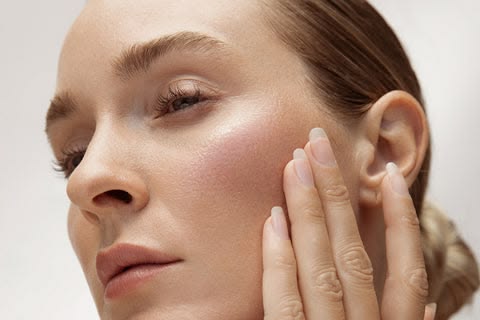
The skin is constantly exposed to the surrounding environment, making it vulnerable to changes in weather, pollution, sunlight, humidity, and other external factors. While genetics and lifestyle also influence skin health, environmental conditions can affect moisture levels, sensitivity, pigmentation, texture, and the appearance of premature aging. Understanding how environmental factors affect skin can help you develop better daily skincare habits and protect your skin throughout the year.
Sun Exposure and Skin Health
Sunlight is one of the most significant environmental factors affecting the skin. Ultraviolet (UV) radiation can damage skin cells and contribute to sunburn, pigmentation, uneven skin tone, and premature signs of aging.
Repeated and prolonged UV exposure can contribute to the breakdown of collagen and elastin, which are important for maintaining skin firmness and elasticity. Protecting the skin with broad-spectrum sunscreen, protective clothing, hats, and shade can help reduce unnecessary UV exposure.
Daily sun protection is important even when the weather does not feel particularly hot, because UV radiation can still reach the skin.
Air Pollution and the Skin
Air pollution can expose the skin to particles and other pollutants that may contribute to oxidative stress and irritation. People living in areas with significant traffic or industrial pollution may notice increased dullness, sensitivity, or uneven-looking skin.
Pollution can also settle on the surface of the skin throughout the day. A gentle cleansing routine can help remove accumulated dirt, excess oil, and environmental residue without unnecessarily stripping the skin’s protective barrier.
Humidity and Skin Moisture
Humidity can have a noticeable effect on how the skin feels. High humidity may increase sweating and oil production, which can contribute to clogged pores for some people. In contrast, very dry air can increase moisture loss from the skin and leave it feeling tight, rough, or uncomfortable.
Using a moisturizer suited to your skin type can help support the skin barrier. People with oily or combination skin may prefer lightweight formulations, while dry skin may benefit from richer moisturizing products.
Cold Weather and Dry Skin
Cold temperatures, wind, and dry indoor air can reduce skin moisture. The skin may become flaky, rough, tight, or more sensitive during colder periods.
Long, hot showers can further remove natural oils from the skin. Using lukewarm water, choosing a gentle cleanser, and applying moisturizer soon after bathing can help maintain hydration.
Paying attention to changes in the environment allows you to adjust your skincare routine without overcomplicating it.
Heat and Excessive Sweating
Hot weather can increase sweating and oil production. Sweat itself is natural, but when it mixes with oil, makeup, dirt, and other substances on the skin, it may contribute to blocked pores or irritation.
After heavy sweating, gently cleansing the skin and changing out of damp clothing can help maintain cleanliness. Avoid scrubbing aggressively, as excessive friction may irritate the skin.
Adequate hydration is also important for maintaining normal body functions during hot weather.
Wind and Skin Barrier Protection
Strong winds can contribute to moisture loss from the skin and may make the face feel dry or irritated. This can be particularly noticeable when the skin barrier is already weakened.
A suitable moisturizer can provide additional support, while gentle skincare products can help minimize unnecessary irritation. Protecting exposed areas with appropriate clothing can also reduce direct environmental exposure.
Seasonal Changes and Skincare
Skin needs can change throughout the year. A moisturizer that feels comfortable during humid weather may not provide enough hydration during a dry season. Similarly, heavy products may feel uncomfortable during hot and humid conditions.
Instead of changing an entire skincare routine whenever the weather changes, make gradual adjustments based on how your skin feels. Pay attention to dryness, oiliness, sensitivity, and irritation and choose products accordingly.
Environmental Factors and Premature Skin Aging
Repeated exposure to sunlight, pollution, and other environmental stressors can contribute to visible signs of skin aging. Fine lines, uneven pigmentation, rough texture, and loss of firmness may become more noticeable over time.
A consistent skincare routine that includes sun protection, gentle cleansing, moisturizing, and appropriate antioxidant-rich skincare may help support healthier-looking skin.
Lifestyle factors such as adequate sleep, balanced nutrition, hydration, and avoiding smoking can also complement environmental skin protection.
Protecting the Skin Barrier
The skin barrier helps retain moisture and provides protection against external irritants. Environmental stress can make maintaining this barrier more challenging, particularly when combined with harsh cleansers, excessive exfoliation, or unsuitable skincare products.
Using gentle products and avoiding unnecessary over-treatment can help preserve the skin barrier. If your skin becomes persistently irritated, unusually dry, or sensitive, professional advice can help identify the underlying cause and guide appropriate care.
Creating an Environment-Friendly Skincare Routine
Protecting your skin from environmental factors does not require a complicated routine. Start with basic habits such as applying broad-spectrum sunscreen, cleansing gently, moisturizing regularly, staying hydrated, and protecting the skin from extreme weather conditions.
It is also important to understand your individual skin type and how it responds to different environments. Products that work well for one person may not be suitable for another.
Maintaining Healthy Skin Throughout the Year
How environmental factors affect skin depends on the type and intensity of exposure as well as individual skin characteristics. Sunlight, pollution, humidity, cold temperatures, heat, and wind can all influence the appearance and comfort of the skin.
Consistent protection and appropriate skincare can help minimize environmental stress. By using sunscreen, supporting the skin barrier, maintaining hydration, cleansing gently, and adapting your routine to seasonal changes, you can help keep your skin healthier, more comfortable, and resilient throughout the year.
Dr. Ahmad Houmsie is a highly skilled plastic and aesthetic surgeon in Dubai, with extensive clinical training and international credentials. He offers advanced cosmetic procedures for the face and body — including rhinoplasty, liposuction, breast surgery, tummy tuck, facelifts, and more — using state‑of‑the‑art techniques tailored to each patient. For anyone seeking expert guidance and transformative results, booking a consultation directly with Dr. Ahmad Houmsie ensures personalized care and professional excellence.