
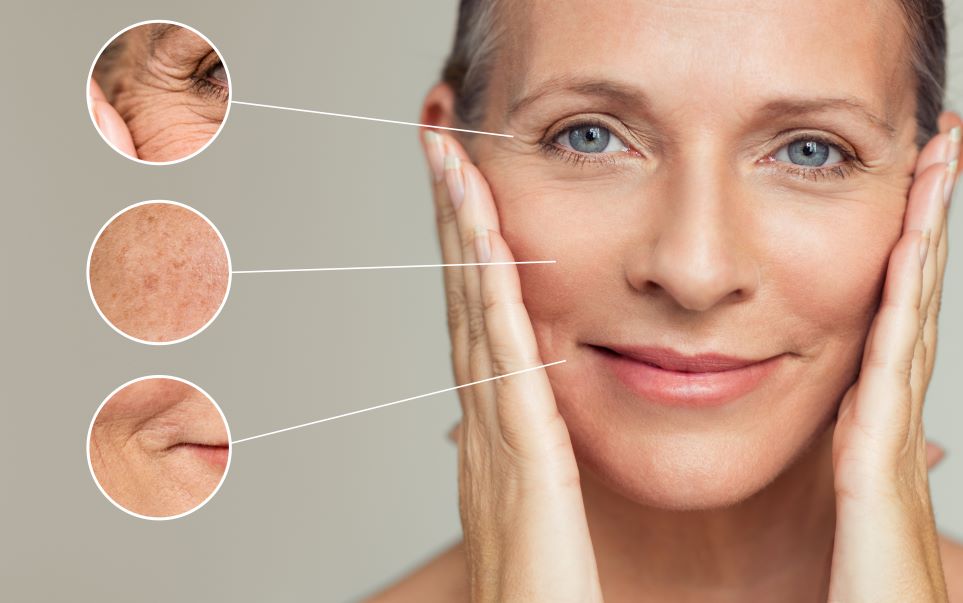
Your skin is your body’s first line of defense against the outside world. Every day, it is exposed to sunlight, pollution, changing weather, humidity, wind, and other environmental factors that can affect its health and appearance. While some environmental conditions are unavoidable, understanding how environmental factors affect facial skin can help you take the right steps to protect your skin and maintain a healthy, youthful complexion.
In this guide, we’ll explore the most common environmental factors that influence facial skin, their effects, and practical ways to minimize skin damage.
Why Environmental Factors Matter
Your facial skin is more exposed than any other part of your body. Environmental stressors can weaken the skin’s natural protective barrier, leading to dryness, irritation, premature aging, uneven skin tone, and other skin concerns.
Protecting your skin from these factors is an important part of maintaining long-term skin health.
Sun Exposure and UV Rays
One of the most significant environmental factors affecting facial skin is exposure to ultraviolet (UV) radiation from the sun.
Excessive UV exposure can contribute to:
- Premature wrinkles
- Fine lines
- Dark spots
- Uneven skin tone
- Loss of skin elasticity
- Sunburn
- Increased risk of skin cancer
How to Protect Your Skin
- Apply a broad-spectrum sunscreen with SPF 30 or higher every day.
- Wear a wide-brimmed hat and sunglasses outdoors.
- Seek shade during peak sunlight hours.
- Reapply sunscreen every two hours when outdoors.
Consistent sun protection is one of the most effective ways to maintain healthy skin.
Air Pollution
Air pollution exposes your skin to microscopic particles, smoke, and harmful chemicals that can accumulate on the skin’s surface.
Pollution may contribute to:
- Clogged pores
- Acne breakouts
- Skin irritation
- Dull complexion
- Premature aging
- Increased oxidative stress
Skin Care Tips
- Cleanse your face every evening to remove pollutants.
- Use antioxidant-rich skincare products, such as those containing Vitamin C.
- Moisturize regularly to strengthen the skin barrier.
Cold Weather
Cold temperatures and low humidity often reduce the skin’s natural moisture levels.
This may lead to:
- Dryness
- Flaking
- Redness
- Tightness
- Increased sensitivity
Winter Skin Care Tips
- Use a richer moisturizer.
- Avoid very hot showers.
- Drink plenty of water.
- Use a humidifier indoors if needed.
Keeping your skin hydrated is especially important during colder months.
Hot Weather and Humidity
High temperatures often increase sweat and oil production.
This can result in:
- Oily skin
- Clogged pores
- Acne breakouts
- Increased shine
Summer Skin Care Tips
- Wash your face twice daily with a gentle cleanser.
- Choose lightweight, non-comedogenic moisturizers.
- Wear sunscreen every day.
- Stay hydrated throughout the day.
Balancing oil without over-drying the skin helps maintain a healthy complexion.
Wind Exposure
Strong winds can strip away your skin’s natural oils and damage the protective skin barrier.
Common effects include:
- Dryness
- Chapping
- Irritation
- Increased sensitivity
Protect your skin by wearing sunscreen, using moisturizer, and covering your face when weather conditions are harsh.
Low Humidity
Indoor heating during winter and air-conditioned environments can reduce humidity levels, causing the skin to lose moisture.
Signs of low humidity exposure include:
- Dry skin
- Tightness
- Fine lines becoming more noticeable
- Rough texture
Hydrating skincare products containing hyaluronic acid, glycerin, and ceramides can help maintain moisture.
Blue Light Exposure
Many people spend hours each day using smartphones, computers, and tablets.
Although research is still evolving, prolonged exposure to blue light may contribute to:
- Oxidative stress
- Skin aging
- Pigmentation in some individuals
Taking regular screen breaks and maintaining a healthy skincare routine may help support overall skin health.
Smoking and Environmental Toxins
Tobacco smoke and environmental toxins reduce blood flow to the skin and accelerate aging.
Smoking can contribute to:
- Wrinkles
- Dull complexion
- Delayed wound healing
- Loss of skin elasticity
Avoiding smoking and limiting exposure to secondhand smoke supports healthier skin.
The Importance of Hydration
Environmental factors often cause increased water loss from the skin.
Staying hydrated helps:
- Maintain skin elasticity
- Support the skin barrier
- Improve overall skin appearance
- Reduce dryness
Drink plenty of water throughout the day and include water-rich fruits and vegetables in your diet.
Build a Protective Skincare Routine
A simple daily routine can help protect your facial skin from environmental damage.
Cleanse
Wash your face twice daily using a gentle cleanser to remove dirt, oil, sunscreen, and environmental pollutants.
Moisturize
A good moisturizer strengthens the skin barrier and helps prevent moisture loss.
Wear Sunscreen
Daily sunscreen is essential regardless of the season or weather conditions.
Use Antioxidants
Products containing antioxidants such as Vitamin C and Vitamin E may help protect the skin from environmental stress.
Healthy Lifestyle Habits
In addition to skincare products, healthy lifestyle choices support resilient skin.
These include:
- Eating a balanced diet
- Getting enough sleep
- Managing stress
- Exercising regularly
- Avoiding smoking
- Limiting excessive alcohol consumption
Healthy habits improve both skin health and overall well-being.
When Should You See a Dermatologist?
Consult a dermatologist if you experience:
- Persistent redness
- Severe dryness
- Frequent acne breakouts
- Unusual skin changes
- Pigmentation concerns
- Moles that change in size or color
- Skin irritation that does not improve
Early diagnosis allows for appropriate treatment and helps maintain healthy skin.
Dr. Ahmad Houmsie is a highly skilled plastic and aesthetic surgeon in Dubai, with extensive clinical training and international credentials. He offers advanced cosmetic procedures for the face and body — including rhinoplasty, liposuction, breast surgery, tummy tuck, facelifts, and more — using state‑of‑the‑art techniques tailored to each patient. For anyone seeking expert guidance and transformative results, booking a consultation directly with Dr. Ahmad Houmsie ensures personalized care and professional excellence.