
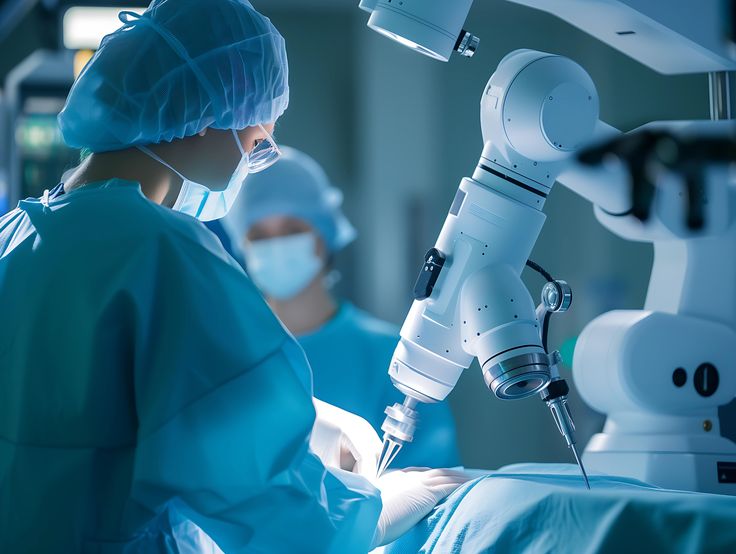
Modern surgery has evolved significantly over the years, moving away from generalized treatment approaches toward highly personalized care. Today, customized surgical techniques play a major role in improving patient safety, treatment accuracy, recovery experiences, and long-term outcomes. By tailoring procedures to an individual’s anatomy, medical condition, lifestyle, and aesthetic goals, surgeons can achieve more precise and natural-looking results.
Understanding how customized surgical techniques improve long-term results helps patients recognize the importance of personalized treatment planning in both medical and aesthetic procedures. Rather than applying the same approach to every patient, modern surgical refinement focuses on individualized strategies that support better healing, reduced complications, and lasting improvements.
The Shift Toward Personalized Surgical Care
Traditional surgical methods often relied on standardized techniques designed for broad patient groups. While effective in many cases, these approaches did not always account for the unique characteristics of each individual.
Customized surgical techniques are designed to address factors such as:
- Individual anatomy
- Age and skin quality
- Medical history
- Functional needs
- Lifestyle factors
- Desired outcomes
This personalized approach allows surgeons to create treatment plans that are specifically suited to each patient, improving both short-term recovery and long-term success.
Understanding Customized Surgical Techniques
Customized surgical techniques involve modifying and adapting procedures according to the patient’s specific needs rather than following a single fixed method.
Customization may include:
- Personalized incision placement
- Tailored tissue reshaping
- Individualized implant selection
- Precision contouring techniques
- Customized reconstruction methods
- Advanced digital surgical planning
These adjustments help ensure that procedures work in harmony with the patient’s natural anatomy and long-term health goals.
Improved Precision Through Detailed Planning
One of the key reasons customized surgical techniques improve long-term results is the level of precision involved in planning and execution.
Modern surgical planning often includes:
- 3D imaging and simulations
- Digital anatomical analysis
- Customized surgical mapping
- Advanced diagnostic evaluations
Detailed planning allows surgeons to identify structural differences and potential challenges before surgery begins. This reduces uncertainty during procedures and improves overall accuracy.
Precision-based surgery often results in:
- Better symmetry and balance
- Reduced tissue trauma
- More natural-looking outcomes
- Lower risk of complications
Careful customization helps create results that remain stable and aesthetically pleasing over time.
Better Compatibility With Natural Anatomy
Every patient has a unique anatomical structure. Customized surgical techniques take these differences into account to ensure that procedures complement the body’s natural proportions and movements.
For example:
- Facial procedures are adjusted according to facial bone structure and skin elasticity
- Orthopedic surgeries are tailored to joint alignment and mobility
- Reconstructive surgeries are planned based on tissue quality and healing potential
When surgical techniques are aligned with natural anatomy, patients often experience better function, appearance, and long-term comfort.
Reduced Risk of Surgical Complications
Personalized surgical planning can significantly reduce the likelihood of complications both during and after surgery.
Customization helps minimize risks by:
- Preserving healthy tissue
- Reducing excessive tension on incisions
- Improving blood supply to treated areas
- Enhancing structural support
- Supporting more efficient healing
Lower complication rates often lead to better recovery experiences and longer-lasting surgical success.
Enhanced Recovery and Healing
Customized surgical techniques are designed not only for immediate results but also for optimal recovery. Personalized approaches can help reduce physical stress on the body, leading to smoother healing.
Benefits may include:
- Less swelling and bruising
- Reduced postoperative discomfort
- Faster recovery timelines
- Improved scar healing
- Better tissue integration
Minimally invasive customization techniques also contribute to shorter downtime and reduced disruption to daily life.
Long-Term Stability of Surgical Results
One of the most important advantages of customized surgery is improved long-term stability. Procedures that are carefully tailored to the patient’s anatomy are more likely to maintain their effectiveness over time.
Long-term stability is influenced by:
- Proper structural support
- Balanced tissue distribution
- Natural contour preservation
- Functional alignment
- Personalized postoperative care plans
Customized techniques help ensure that results continue to look and function well years after surgery.
Improved Aesthetic Outcomes
In cosmetic and reconstructive procedures, customization is essential for achieving natural and harmonious results. Modern patients often seek subtle enhancements that preserve their individuality rather than dramatic transformations.
Customized aesthetic surgery focuses on:
- Facial and body proportion balance
- Preservation of natural expression
- Ethnic and gender-specific considerations
- Personalized contour refinement
These techniques create outcomes that appear more authentic and age gracefully over time.
The Role of Technology in Customized Surgery
Technological advancements have greatly enhanced the ability to personalize surgical procedures. Surgeons now use advanced tools to improve planning, precision, and patient communication.
Important technologies include:
- 3D imaging systems
- Virtual surgical simulations
- Robotic-assisted surgery
- Laser-guided precision tools
- Computer-assisted navigation systems
These innovations allow for greater accuracy and help surgeons visualize long-term outcomes before the procedure begins.
Psychological Benefits of Personalized Surgery
Patients often feel more confident and reassured when their treatment plan is customized specifically for them. Personalized care improves communication between the patient and surgical team, creating a more collaborative experience.
This can lead to:
- Increased trust in the treatment process
- Better understanding of expected outcomes
- Greater emotional comfort
- Higher satisfaction with results
Patient-centered surgical planning helps individuals feel more involved in their healthcare journey.
The Importance of Postoperative Customization
Long-term success depends not only on the surgery itself but also on postoperative care. Customized recovery plans help support healing and preserve results.
Postoperative strategies may include:
- Personalized rehabilitation programs
- Customized skincare or scar management
- Nutrition and lifestyle guidance
- Activity modifications during recovery
- Long-term follow-up evaluations
Tailored aftercare contributes significantly to maintaining surgical improvements over time.
Future Trends in Customized Surgical Techniques
The future of surgery is expected to become even more personalized through advancements in artificial intelligence, regenerative medicine, and biotechnology.
Future developments may include:
- AI-assisted surgical planning
- Personalized regenerative tissue therapies
- Biocompatible implants designed for individual anatomy
- Predictive healing analysis
- Advanced minimally invasive procedures
These innovations will continue to improve surgical precision, safety, and long-term patient outcomes.
Dr. Ahmad Houmsie is a highly skilled plastic and aesthetic surgeon in Dubai, with extensive clinical training and international credentials. He offers advanced cosmetic procedures for the face and body — including rhinoplasty, liposuction, breast surgery, tummy tuck, facelifts, and more — using state‑of‑the‑art techniques tailored to each patient. For anyone seeking expert guidance and transformative results, booking a consultation directly with Dr. Ahmad Houmsie ensures personalized care and professional excellence.