
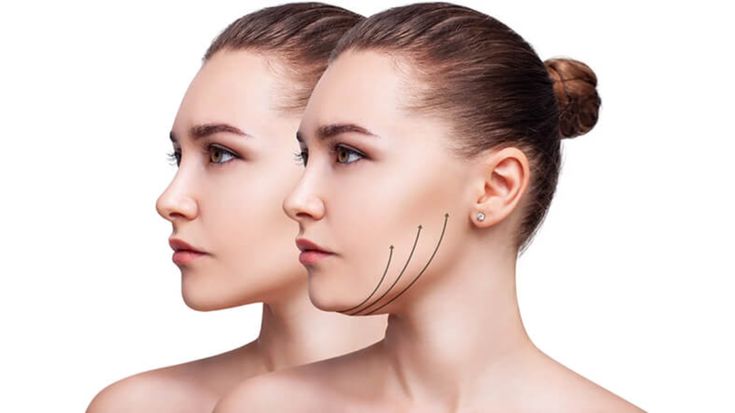
The chin is an important part of the lower face and plays a significant role in overall facial proportions. Its size, shape, width, and projection can influence how the nose, lips, jawline, and neck appear in relation to one another. Understanding how chin shape affects facial balance can help explain why even a subtle difference in chin structure may influence the appearance of the entire face.
Facial balance does not mean that every feature must be identical or perfectly symmetrical. Instead, it refers to the visual relationship between different facial features. The chin contributes to this relationship by providing structure and definition to the lower third of the face.
The Chin and Facial Proportions
The face is commonly considered in three general vertical sections: the upper face, middle face, and lower face. The chin forms a major part of the lower facial third.
A chin that is proportionate to the forehead, nose, lips, and jawline can contribute to a harmonious appearance. Conversely, a chin that is noticeably recessed, prominent, narrow, or wide may alter the perceived proportions of surrounding features.
For example, a smaller or recessed chin can sometimes make the nose appear more prominent from the side. A stronger chin projection may create a different relationship between the nose and lower face. These observations demonstrate why the chin is often considered when evaluating overall facial proportions.
Chin Projection and the Side Profile
Chin projection refers to how far the chin extends forward in relation to other facial structures. It is particularly noticeable when viewing the face from the side.
A recessed chin may create a softer transition between the lower face and neck. It can also influence the apparent balance between the lips, nose, and jawline. In contrast, increased chin projection may provide greater definition to the profile.
The ideal amount of projection varies between individuals. Facial structure, gender, age, genetics, and surrounding features all influence what appears proportionate.
Chin Width and Lower-Face Shape
Chin width can affect the overall shape of the lower face. A relatively narrow chin may contribute to a more tapered appearance, while a wider chin can create greater visual width.
The relationship between chin width and jaw width is also important. A chin that is significantly narrower or wider than the surrounding jaw may influence the perceived shape of the lower face.
Cosmetic assessment therefore considers the chin together with the jawline rather than evaluating chin width independently.
Chin Shape and the Jawline
The chin and jawline form a continuous structural framework. The shape of the chin can affect how the jawline appears from both the front and side.
A well-proportioned relationship between the chin and jaw can contribute to lower-face definition. However, jawline appearance is also influenced by the underlying mandible, facial muscles, fat distribution, and skin elasticity.
When assessing facial balance, it is important to determine whether the main concern is related to chin projection, jaw width, soft tissue, or a combination of these factors.
The Relationship Between the Chin and Nose
The chin and nose have an important relationship in facial profile analysis. Because they are positioned at opposite ends of the central facial profile, changes in one feature can influence the perceived prominence of the other.
A relatively recessed chin may make a naturally prominent nose appear more noticeable. In some situations, improving chin projection can create greater balance without directly changing the nose.
This is one reason why comprehensive facial assessment can be useful before deciding on an individual cosmetic procedure.
Chin Shape and Facial Symmetry
Facial asymmetry is common and can involve the chin, jaw, cheeks, or other facial structures. Small differences between the left and right sides are normal.
More noticeable chin asymmetry may influence the appearance of the lower face. Depending on its cause, treatment considerations may involve the chin, jaw, soft tissue, or underlying skeletal structure.
The objective of cosmetic treatment is generally not to create mathematical perfection but to improve proportion and harmony while respecting natural anatomy.
How Aging Can Change Chin Appearance
The appearance of the chin can change with age. Skin loses elasticity, facial fat distribution changes, and alterations in the surrounding soft tissues can affect lower-face contours.
These changes may make the jawline appear less defined or alter the transition between the chin and neck. Changes in the underlying facial framework can also contribute to differences in facial proportions over time.
Cosmetic treatment planning for adults therefore considers both the existing chin structure and age-related changes in surrounding tissues.
Chin Enhancement Options
When chin proportions are a concern, different cosmetic approaches may be considered depending on the individual’s anatomy and goals. Chin augmentation using an implant can increase projection and alter chin contour.
In selected situations, surgical reshaping of the chin bone may be considered. Non-surgical options may also be discussed in appropriate cases, although these provide different types and degrees of change compared with surgery.
The choice of approach depends on factors such as chin size, projection, width, facial proportions, skin characteristics, and the desired outcome.
Personalized Facial Assessment
There is no universal chin shape that is ideal for every person. A proportion that appears balanced on one face may look different on another because of variations in facial structure.
During an assessment, a qualified cosmetic surgeon may examine the chin from the front, side, and other angles. The nose, lips, cheeks, jawline, and neck may also be evaluated to understand how the features interact.
A personalized assessment can help determine whether the chin itself is the primary concern or whether surrounding structures contribute to the perceived imbalance.
Dr. Ahmad Houmsie is a highly skilled plastic and aesthetic surgeon in Dubai, with extensive clinical training and international credentials. He offers advanced cosmetic procedures for the face and body — including rhinoplasty, liposuction, breast surgery, tummy tuck, facelifts, and more — using state‑of‑the‑art techniques tailored to each patient. For anyone seeking expert guidance and transformative results, booking a consultation directly with Dr. Ahmad Houmsie ensures personalized care and professional excellence.