
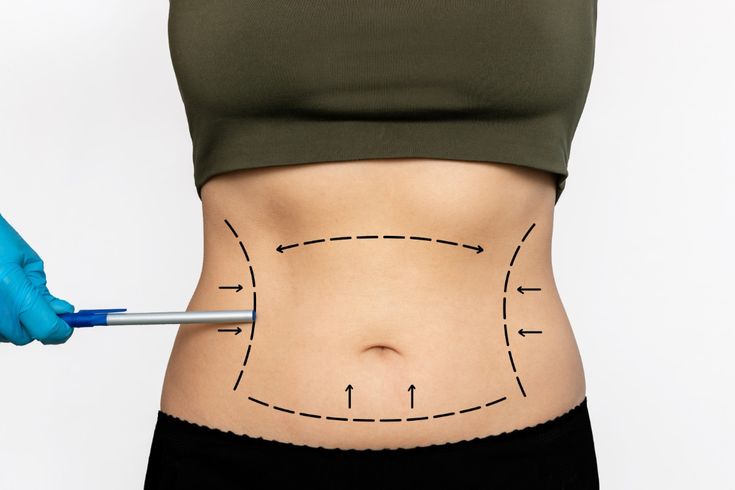
Body fat distribution is one of the most influential factors in cosmetic surgery planning and outcomes. It determines how the body looks in terms of shape, proportion, and contour, and it directly affects how surgeons design procedures for both safety and aesthetics. Modern cosmetic surgery goes beyond simple fat removal or enhancement; it focuses on achieving harmony between different body regions while respecting each individual’s natural fat patterns.
Understanding how body fat distribution affects cosmetic surgery planning and results is essential for achieving balanced, natural-looking, and long-lasting outcomes. Surgeons carefully evaluate fat behavior before recommending any procedure to ensure that results align with the patient’s anatomy and aesthetic goals.
Understanding Body Fat Distribution
Body fat is not evenly distributed across the human body. Instead, it follows specific patterns influenced by genetics, hormones, age, gender, and lifestyle. These patterns shape overall body contour and influence how weight gain or loss appears visually.
Common fat distribution areas include:
- Abdomen and waist region
- Hips and thighs
- Buttocks
- Upper arms
- Back and flanks
- Facial areas such as cheeks and chin
Some individuals have centralized fat accumulation, while others store fat more in the lower body, creating different body shapes such as apple or pear configurations.
Why Fat Distribution Matters in Cosmetic Surgery
In cosmetic surgery, fat is a key structural element that defines body proportions and facial balance. Understanding where fat is concentrated helps surgeons plan procedures that enhance harmony rather than create imbalance.
Fat distribution affects:
- Selection of surgical technique
- Volume removal or augmentation decisions
- Body contour symmetry
- Skin tightening requirements
- Long-term stability of results
Ignoring fat distribution can lead to unnatural or disproportionate outcomes, especially when multiple body areas are involved.
Fat Distribution and Surgical Planning
Surgical planning begins with a detailed evaluation of how fat is distributed across the body. This assessment helps determine which areas require contouring and how much volume adjustment is needed.
During planning, surgeons evaluate:
- Fat thickness in different regions
- Skin elasticity and tone
- Muscle structure beneath fat layers
- Overall body proportions
- Patient aesthetic goals
This information helps create a customized surgical strategy tailored to the individual’s body composition.
Liposuction and Fat Removal Techniques
Liposuction is one of the most commonly used procedures influenced by fat distribution patterns. It targets localized fat deposits to improve body contour and proportion.
However, fat distribution must be carefully considered to avoid:
- Over-removal of fat in certain areas
- Uneven body contours
- Loss of natural curves
- Imbalanced proportions
Modern liposuction focuses on sculpting rather than simply removing fat, ensuring smoother transitions between treated and untreated areas.
Fat Grafting and Volume Redistribution
Fat grafting is a technique that uses a patient’s own fat to restore or enhance volume in specific areas. It depends heavily on available fat reserves and distribution patterns.
This technique is commonly used for:
- Facial rejuvenation
- Breast enhancement
- Hip and buttock augmentation
- Correction of contour irregularities
By redistributing fat strategically, surgeons can improve symmetry and create more natural-looking results.
Facial Fat Distribution and Aesthetic Planning
The face contains distinct fat compartments that influence youthful appearance and structure. Changes in facial fat distribution due to aging or weight fluctuations can significantly alter appearance.
Key facial fat areas include:
- Cheek fat pads
- Under-eye region
- Jawline and chin
- Temple area
Loss or accumulation of fat in these areas affects facial harmony, often leading to hollowing, sagging, or fullness imbalance. Surgical planning must account for these changes to restore balance effectively.
Age-Related Changes in Fat Distribution
As the body ages, fat distribution changes naturally. These changes can influence both aesthetic appearance and surgical outcomes.
Common age-related shifts include:
- Loss of facial fat volume
- Accumulation of abdominal fat
- Reduced skin elasticity
- Changes in body contour definition
Cosmetic surgery often aims to restore balance rather than simply remove or add volume, addressing these age-related transformations.
Hormonal Influence on Fat Distribution
Hormones play a significant role in determining where fat is stored in the body. Estrogen, testosterone, and metabolic factors influence body shape and fat behavior.
Hormonal effects may result in:
- Upper or lower body fat dominance
- Changes during pregnancy or menopause
- Gender-based fat distribution patterns
- Variations in metabolic fat storage
Surgeons consider these factors during planning to ensure more predictable and natural results.
Skin Elasticity and Surgical Outcomes
Skin quality is closely linked to fat distribution. When fat is removed or repositioned, the skin must adapt to new contours. Elasticity determines how well the skin contracts after surgery.
Good skin elasticity supports:
- Smoother post-surgical contours
- Faster recovery
- Reduced sagging
- More defined results
Poor elasticity may require additional procedures such as skin tightening to achieve optimal outcomes.
Body Proportion and Aesthetic Balance
Cosmetic surgery aims to improve overall body proportion rather than focusing on a single area. Fat distribution plays a key role in achieving this balance.
Balanced fat distribution contributes to:
- Improved waist-to-hip ratio
- Enhanced natural curves
- Symmetrical body contours
- Harmonious transitions between body areas
Proper planning ensures that changes in one area complement the rest of the body.
Technology in Fat Analysis and Planning
Modern cosmetic surgery uses advanced technology to analyze fat distribution more accurately. These tools help surgeons design precise and personalized treatment plans.
Technological tools include:
- 3D body scanning systems
- Digital contour mapping
- AI-assisted body analysis
- Imaging-based fat evaluation
These technologies improve predictability and enhance surgical precision.
Challenges in Managing Fat Distribution
Fat distribution is dynamic and can change over time due to weight fluctuations, aging, and lifestyle factors. This makes long-term surgical planning more complex.
Common challenges include:
- Changes in fat after surgery
- Uneven fat retention or loss
- Weight-related alterations in results
- Difficulty maintaining long-term symmetry
Patient education and lifestyle guidance are essential for maintaining outcomes.
Post-Surgical Maintenance of Results
Maintaining stable fat distribution after cosmetic surgery is essential for preserving results. Healthy habits help ensure long-term aesthetic stability.
Recommended maintenance practices include:
- Balanced diet and nutrition
- Regular physical activity
- Weight management
- Hydration and wellness care
- Routine medical follow-ups
Consistency in lifestyle choices helps protect surgical improvements over time.
Psychological Impact of Fat Distribution Changes
Changes in fat distribution can significantly influence self-confidence and body image. Many individuals pursue cosmetic surgery to improve balance and feel more comfortable in their appearance.
Positive outcomes may include:
- Increased self-esteem
- Improved body confidence
- Better emotional wellbeing
- Enhanced satisfaction with appearance
Realistic expectations remain essential for long-term psychological satisfaction.
Future Trends in Fat-Based Cosmetic Surgery
Advancements in medical technology are improving how fat distribution is analyzed and treated in cosmetic surgery. Future developments aim to enhance precision, safety, and long-term results.
Emerging trends include:
- AI-driven surgical planning
- Advanced fat preservation techniques
- Stem-cell enhanced fat transfer
- Minimally invasive contouring tools
- Predictive aesthetic modeling systems
These innovations are expected to further refine cosmetic outcomes and patient experiences.
Dr. Ahmad Houmsie is a highly skilled plastic and aesthetic surgeon in Dubai, with extensive clinical training and international credentials. He offers advanced cosmetic procedures for the face and body — including rhinoplasty, liposuction, breast surgery, tummy tuck, facelifts, and more — using state‑of‑the‑art techniques tailored to each patient. For anyone seeking expert guidance and transformative results, booking a consultation directly with Dr. Ahmad Houmsie ensures personalized care and professional excellence.