
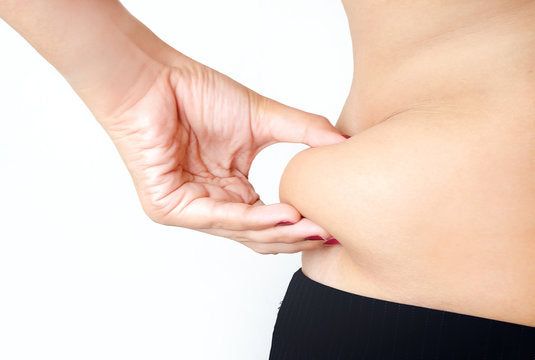
Aging is a natural process that brings visible and invisible changes to the body. One of the most noticeable transformations is how fat is distributed. Shifts in fat storage and metabolism can affect appearance, health, and mobility. Understanding how aging affects fat distribution in the body is essential for maintaining wellness, managing weight, and adopting lifestyle strategies that support a healthy body composition.
Understanding Fat Distribution
Fat is stored in different layers and areas of the body, including subcutaneous fat (beneath the skin) and visceral fat (around internal organs). While genetics, hormones, and lifestyle play significant roles, aging influences both the amount and location of fat. Changes in fat distribution can contribute to increased abdominal fat, decreased muscle mass, and shifts in skin texture and firmness.
Hormonal Changes and Fat Storage
Hormones are key regulators of fat distribution. As we age, hormone levels naturally fluctuate, leading to shifts in how and where fat is stored:
- Menopause and Estrogen Decline in Women: Reduced estrogen levels often lead to increased fat accumulation around the abdomen, hips, and waist. This change can impact metabolic health and elevate the risk of cardiovascular disease.
- Testosterone Decline in Men: Lower testosterone levels with age contribute to reduced muscle mass and increased fat in the midsection and chest.
- Insulin and Cortisol: Aging can affect insulin sensitivity and cortisol levels, which may promote visceral fat storage and make weight management more challenging.
These hormonal shifts explain why body composition often changes even without significant alterations in diet or exercise.
Changes in Metabolism
Aging slows metabolic rate, meaning the body burns fewer calories at rest. Combined with a tendency to lose lean muscle mass, this slower metabolism encourages fat accumulation, particularly in the abdominal area. Muscle tissue is metabolically active, so maintaining strength through resistance training is essential to offset these age-related metabolic changes.
Redistribution of Fat in the Body
With age, fat tends to move from certain areas to others:
- Loss of Subcutaneous Fat in the Face and Limbs: Reduced fat beneath the skin can lead to a thinner face, more pronounced wrinkles, and less cushioning in the arms and legs.
- Increase in Abdominal and Visceral Fat: Fat around internal organs tends to accumulate, which is linked to higher risks of diabetes, heart disease, and metabolic syndrome.
- Changes in Skin and Fat Layering: The combination of fat loss and collagen decline can lead to sagging skin, particularly in the face, neck, and upper arms.
Understanding these patterns helps explain why the body’s shape naturally changes over time and why some individuals notice a shift toward an “apple” shape with aging.
Health Implications of Fat Redistribution
Shifts in fat distribution are more than cosmetic—they can influence overall health:
- Increased Cardiovascular Risk: Visceral fat around the abdomen is associated with elevated cholesterol levels, blood pressure, and heart disease risk.
- Metabolic Changes: Central fat accumulation can impair insulin sensitivity, increasing the likelihood of type 2 diabetes.
- Joint Strain and Mobility Issues: Changes in body composition may affect posture and joint function, increasing the risk of pain or injury.
Recognizing these risks reinforces the importance of proactive health measures.
Lifestyle Strategies to Manage Age-Related Fat Changes
While aging naturally influences fat distribution, lifestyle choices can significantly mitigate these effects:
1. Maintain a Balanced Diet
Eating nutrient-dense foods supports metabolism and reduces excessive fat accumulation. Focus on lean proteins, healthy fats, complex carbohydrates, fruits, and vegetables. Reducing refined sugars and processed foods can help prevent central fat gain.
2. Strength and Resistance Training
Exercise that builds and maintains muscle mass helps counteract age-related metabolic decline. Resistance training, weight-bearing exercises, and functional movement routines improve fat-burning capacity and promote better body composition.
3. Cardiovascular Activity
Regular aerobic exercise supports overall fat loss, reduces visceral fat, and improves heart health. Activities like brisk walking, swimming, cycling, or low-impact cardio can be adjusted to fitness levels and age.
4. Hormonal and Medical Management
Routine check-ups to monitor hormone levels, blood sugar, and metabolic health can guide interventions if fat redistribution affects wellness. In some cases, hormone therapy or medical guidance may be appropriate.
5. Adequate Sleep and Stress Management
Sleep deprivation and chronic stress can elevate cortisol levels, promoting abdominal fat accumulation. Prioritizing sleep, relaxation, and mindfulness practices can positively influence fat distribution.
Embracing Healthy Aging
Understanding how aging affects fat distribution in the body empowers individuals to take proactive steps toward maintaining health and confidence. Fat changes are natural, but lifestyle interventions—including diet, exercise, and stress management—can reduce the impact and support a leaner, healthier body composition.
Rather than focusing solely on appearance, the emphasis should be on wellness, mobility, and disease prevention. By adopting a holistic approach, individuals can navigate age-related changes gracefully, maintaining vitality, strength, and overall quality of life.
Dr. Ahmad Houmsie is a highly skilled plastic and aesthetic surgeon in Dubai, with extensive clinical training and international credentials. He offers advanced cosmetic procedures for the face and body — including rhinoplasty, liposuction, breast surgery, tummy tuck, facelifts, and more — using state‑of‑the‑art techniques tailored to each patient. For anyone seeking expert guidance and transformative results, booking a consultation directly with Dr. Ahmad Houmsie ensures personalized care and professional excellence.