
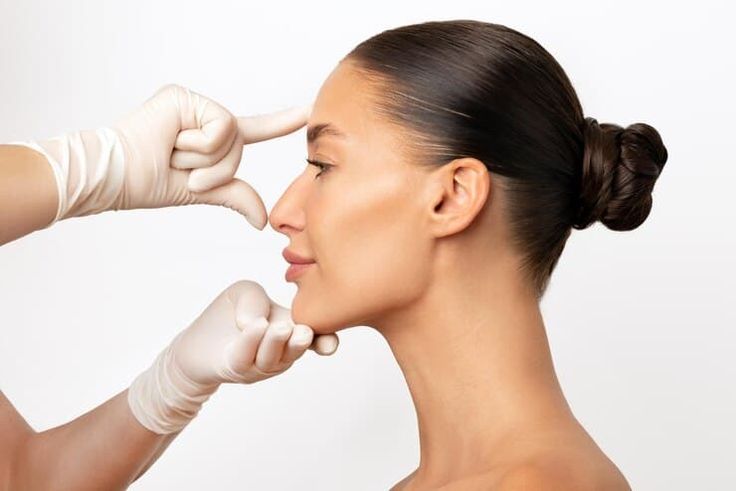
A facial profile is shaped by the relationship between the forehead, nose, lips, chin, jawline, and neck. When these features are proportionate, they can create a balanced appearance from the side. However, natural differences in bone structure, soft tissue, facial fat, and aging can influence the overall profile. Facial profile enhancement through surgery focuses on improving these relationships by addressing specific structural or soft-tissue concerns while maintaining harmony with the rest of the face.
Understanding Facial Profile Balance
The side view of the face provides important information about facial proportions. The projection of the nose, position of the chin, shape of the jawline, and relationship between the lips can all influence how the profile appears.
A feature does not necessarily need to be significantly altered to improve facial balance. In some cases, a relatively small adjustment to the chin or nose can change the relationship between several facial features.
Surgical planning therefore considers the face as a connected structure rather than treating one feature independently.
Rhinoplasty and Profile Enhancement
Rhinoplasty is one of the procedures commonly considered when improving the facial profile. It can modify aspects of the nose such as the bridge, tip, projection, or overall shape.
Because the nose occupies a central position on the face, changes to its profile can influence the perceived balance between the nose, lips, and chin. Depending on the individual’s anatomy, surgical adjustments may involve reducing a nasal prominence, refining the tip, or changing projection.
The objective is not necessarily to create a particular nose shape but to develop proportions that complement the individual’s existing facial structure.
Chin Enhancement and Projection
The chin plays an important role in the lower facial profile. A chin that appears less projected can make the nose appear more prominent, while a strongly projected chin can change the balance of the lower face.
Chin augmentation can increase projection or alter the shape of the chin. Depending on the circumstances, this may involve an implant or surgical modification of the chin bone.
The appropriate approach depends on factors such as chin size, facial proportions, jaw structure, and the individual’s desired changes.
Jawline and Lower-Face Contouring
The jawline contributes to the transition between the face and neck. Its appearance is influenced by the shape of the jawbone, muscle development, facial fat, and skin elasticity.
Jawline contouring procedures can modify selected areas of the lower jaw when structural changes are appropriate. In other cases, procedures addressing excess fat or loose skin around the chin and neck may improve the visibility of the natural jawline.
A detailed assessment helps determine whether the primary concern is related to skeletal structure or soft tissue.
Neck Contouring and the Facial Profile
The neck has a significant influence on the side profile. Excess fat beneath the chin or loose skin can obscure the jawline and create a less defined transition between the face and neck.
Submental liposuction may be considered for suitable individuals with localized fat beneath the chin. When skin laxity is more pronounced, a neck lift or related procedure may be considered.
The choice of treatment depends on skin quality, tissue volume, age-related changes, and the overall facial structure.
Combining Procedures for Better Proportions
Facial profile enhancement may sometimes involve more than one procedure. For example, rhinoplasty and chin augmentation can be considered together when the relationship between the nose and chin affects overall profile balance.
Similarly, jawline and neck contouring may be combined when both structural definition and excess soft tissue contribute to the appearance of the lower face.
Combining procedures is not appropriate for everyone. The decision should be based on anatomy, health, recovery considerations, and clearly defined aesthetic goals.
Facial Structure and Individual Anatomy
Every person’s facial skeleton and soft tissues are different. Differences in bone width, chin projection, nasal structure, cheek development, skin thickness, and facial fat distribution can influence both the appearance of the profile and the techniques used during surgery.
This is why procedures should be personalized rather than based on a standard facial template. A treatment that produces balance for one person may not create the same effect for another.
Detailed examination from multiple angles can help identify which features contribute most to the overall profile.
The Role of Aging in Facial Profile
Facial profile changes naturally with age. Skin gradually loses elasticity, facial fat can shift or decrease, and changes in the underlying facial framework may influence contour and projection.
These changes can affect the jawline, chin, cheeks, and neck. Cosmetic surgery may address selected age-related concerns, but treatment planning should account for both current anatomy and future changes.
Understanding these factors can help establish realistic expectations about surgical outcomes and long-term appearance.
Personalized Surgical Planning
A consultation is an important part of facial profile enhancement through surgery. During an assessment, a qualified surgeon may evaluate facial proportions, skeletal structure, soft tissues, skin quality, and the relationship between individual features.
Medical history, previous procedures, recovery expectations, and personal goals are also relevant. Imaging or digital planning tools may sometimes be used to support communication, although they cannot guarantee an exact surgical result.
Patients should understand the potential benefits, risks, limitations, recovery process, and possible need for follow-up before deciding on surgery.
Dr. Ahmad Houmsie is a highly skilled plastic and aesthetic surgeon in Dubai, with extensive clinical training and international credentials. He offers advanced cosmetic procedures for the face and body — including rhinoplasty, liposuction, breast surgery, tummy tuck, facelifts, and more — using state‑of‑the‑art techniques tailored to each patient. For anyone seeking expert guidance and transformative results, booking a consultation directly with Dr. Ahmad Houmsie ensures personalized care and professional excellence.