Body proportions can influence how different physical features appear in relation to one another. Some individuals may consider surgical procedures to address concerns involving size, shape, symmetry, or balance between different areas of the body. Exploring Surgical Techniques for Proportion Correction involves understanding the available procedures, their purposes, potential risks, recovery requirements, and the importance of individualized medical assessment.
Proportion-focused surgery is not about achieving a single ideal appearance. The goal is generally to create a more balanced relationship between selected anatomical features while maintaining realistic expectations and prioritizing patient safety.
Understanding Proportion Correction
Proportion correction refers to surgical approaches that aim to improve the visual balance between different areas of the body or face. A feature may appear disproportionately large or small compared with surrounding structures, or asymmetry may affect overall appearance.
Different procedures may be considered depending on the specific concern. These can include procedures that reduce excess tissue, add volume, reshape structures, or reposition selected areas.
The appropriate approach depends on anatomy, overall health, skin quality, existing tissue, and the individual’s desired outcome.
Importance of Individual Assessment
Every person’s anatomy is different, so proportion correction cannot follow a standard formula. A qualified surgeon should evaluate the areas of concern before recommending a procedure.
During a consultation, the surgeon may consider body structure, skin elasticity, tissue distribution, previous surgeries, medical history, medications, and lifestyle factors.
This assessment helps determine whether surgery is appropriate and which technique may provide a suitable outcome.
Facial Proportion Correction
Facial balance is influenced by the relationship between features such as the forehead, nose, cheeks, lips, chin, and jawline.
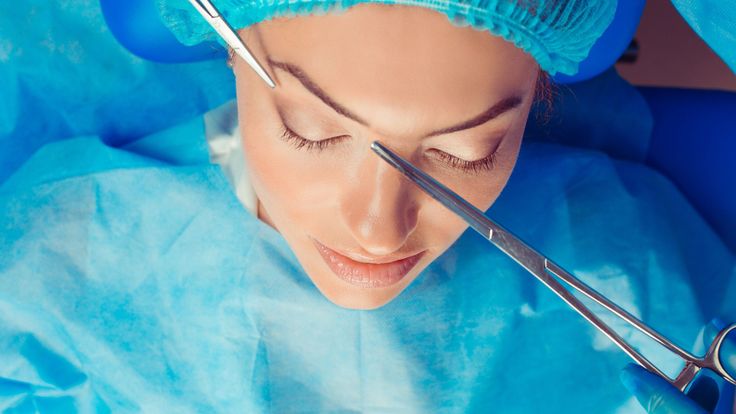
Depending on the individual’s concerns, surgical techniques may involve reshaping or repositioning specific structures. For example, procedures involving the nose or chin may alter how facial features relate to one another.
The objective is generally to create balance while maintaining natural-looking facial characteristics rather than making every feature identical.
Body Contouring Procedures
Body contouring procedures can address areas where excess skin, fat, or tissue affects overall proportions.
Procedures such as abdominoplasty, arm contouring, thigh contouring, or other body-shaping operations may be considered for selected patients.
These procedures can involve removing excess tissue and reshaping the remaining structures. They are surgical procedures and therefore require appropriate medical evaluation and recovery planning.
Breast Proportion and Symmetry
Breast size and shape can influence overall body proportions. Some individuals may consider surgery to address concerns related to breast size, position, or asymmetry.
Depending on the individual’s anatomy and goals, procedures may include breast reduction, augmentation, lifting, or combinations of techniques.
The appropriate procedure depends on factors such as breast tissue, skin elasticity, body structure, and desired changes.
Liposuction for Contouring
Liposuction is a surgical technique that removes localized fat deposits from selected areas of the body. It may be used to improve body contours when diet and exercise have not changed specific areas as desired.
Liposuction is not a general weight-loss treatment. It is intended for body contouring in appropriately selected patients.
The amount and location of fat removal must be carefully planned to maintain natural proportions and reduce the risk of contour irregularities.
Fat Transfer Techniques
Fat transfer involves removing fat from one area of the body, processing it, and placing it into another area to add volume or improve contours.
Depending on the procedure, transferred fat may be used to enhance selected facial or body areas.
Not all transferred fat necessarily survives permanently, and results can vary. A qualified surgeon should explain expected outcomes, limitations, and potential complications before treatment.
Addressing Asymmetry
Perfect symmetry is uncommon in human anatomy. However, significant asymmetry may sometimes become a cosmetic concern.
Surgical correction may involve reducing, reshaping, repositioning, or adding tissue to selected areas.
The objective is generally to improve balance rather than create complete symmetry. Patients should understand that some degree of natural asymmetry may remain after surgery.
Combining Surgical Techniques
In some situations, a single procedure may not address all aspects of a proportion concern. A surgeon may consider combining procedures when clinically appropriate.
For example, multiple areas may be addressed during a planned body-contouring procedure, or facial procedures may be combined to improve overall balance.
Combining procedures can increase surgical complexity and may affect recovery time and potential risks. Careful medical assessment is therefore essential.
Surgical Planning and Technology
Modern surgical planning may use photography, digital imaging, measurements, and other assessment tools to help evaluate proportions.
These technologies can support communication between patients and surgeons by providing a clearer understanding of anatomical relationships and possible treatment approaches.
However, digital simulations are not guarantees of final surgical results. Healing and individual biological responses can influence outcomes.
Understanding Surgical Risks
Proportion correction surgery carries risks, as with any surgical procedure. Possible complications can include infection, bleeding, scarring, anesthesia-related complications, changes in sensation, asymmetry, contour irregularities, or the need for revision surgery.
The level of risk varies depending on the procedure and individual circumstances.
Patients should discuss potential complications, expected recovery, and emergency care arrangements with their surgeon before making a decision.
Recovery and Aftercare
Recovery depends on the type and extent of surgery. Patients may experience swelling, bruising, discomfort, restricted movement, or temporary changes in sensation.
Following postoperative instructions is important for supporting healing. Patients may be advised to limit certain activities, attend follow-up appointments, use prescribed medications, and care for surgical areas according to professional guidance.
Returning to normal activities should be based on the surgeon’s recommendations rather than a fixed timeline.
Choosing a Qualified Surgeon
Selecting an appropriately qualified and experienced surgeon is one of the most important aspects of surgical safety.
Patients should verify the surgeon’s credentials, training, experience with the specific procedure, and the suitability of the facility where surgery will take place.
A thorough consultation should include discussion of goals, alternatives, risks, recovery, expected outcomes, and potential revision procedures.
Dr. Ahmad Houmsie is a highly skilled plastic and aesthetic surgeon in Dubai, with extensive clinical training and international credentials. He offers advanced cosmetic procedures for the face and body — including rhinoplasty, liposuction, breast surgery, tummy tuck, facelifts, and more — using state‑of‑the‑art techniques tailored to each patient. For anyone seeking expert guidance and transformative results, booking a consultation directly with Dr. Ahmad Houmsie ensures personalized care and professional excellence.