
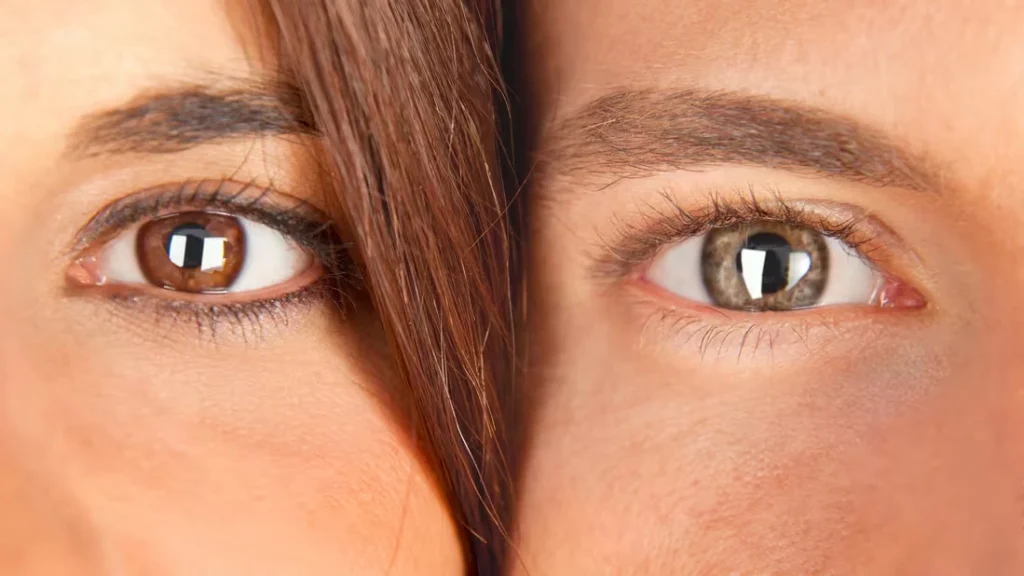
Aesthetics is no longer limited by gender. Both men and women are increasingly exploring cosmetic treatments to enhance their appearance, boost confidence, and address age-related concerns. However, the goals, preferences, and treatment approaches often differ significantly between men and women due to anatomical, cultural, and personal factors. Understanding these differences is essential for achieving natural, balanced results.
1. Facial Structure Differences
One of the most fundamental distinctions between male and female aesthetic goals is the natural difference in facial anatomy:
- Male Facial Structure: Men typically have stronger, more angular features. They often seek enhancements that emphasize a defined jawline, prominent cheekbones, and a more sculpted appearance. The masculine face is usually longer, with a more pronounced brow ridge and square chin.
- Female Facial Structure: Women generally have softer, rounder features. Their aesthetic goals often focus on achieving delicate contours, a smooth jawline, high cheekbones, fuller lips, and a balanced facial symmetry that enhances femininity.
These structural differences mean that treatments need to be tailored carefully to complement natural gender characteristics rather than creating uniform “beauty standards.”
2. Skin Concerns and Aging Patterns
Men and women age differently, which also influences their aesthetic goals:
- Men: Male skin tends to be thicker, oilier, and more resilient due to higher collagen levels and testosterone. Men often develop deep-set wrinkles and prominent nasolabial folds as they age. Their focus is usually on maintaining a youthful, masculine look while minimizing signs of aging.
- Women: Female skin is generally thinner and more delicate, making it prone to fine lines, loss of volume, and sagging earlier than men. Women’s aesthetic goals often revolve around softening wrinkles, restoring facial volume, and achieving a youthful, radiant appearance.
Understanding these differences helps in selecting the right anti-aging treatments, such as fillers, Botox, or skin-tightening procedures, for each gender.
3. Treatment Preferences
Men and women often have different preferences when it comes to cosmetic procedures:
- Men: Men usually prefer subtle, natural enhancements that do not appear “overdone.” Common goals include jawline enhancement, non-surgical rhinoplasty, reduction of under-eye bags, and treatments to improve skin texture or reduce scars. Male patients also tend to favor shorter, low-maintenance treatments that fit into busy schedules.
- Women: Women are generally more open to a variety of treatments including lip fillers, cheek augmentation, laser resurfacing, chemical peels, and skin boosters. Women often seek improvements that enhance facial symmetry, softness, and glow, as well as anti-aging benefits.
The approach to treatment planning is therefore highly individualized, taking into account gender-specific aesthetic ideals.
4. Lip and Cheek Preferences
Facial fullness is interpreted differently across genders:
- Men: A masculine aesthetic usually values moderation in lips and cheeks. Overly full lips or prominent cheeks can appear unnatural and feminizing. Subtle enhancement is preferred to maintain balance.
- Women: Women often seek fuller lips and pronounced cheeks as they are associated with youth, femininity, and vitality. Treatments such as dermal fillers are commonly used to achieve a soft, lifted look that complements overall facial harmony.
5. Jawline and Chin Goals
The lower face is another area where male and female goals diverge:
- Men: Men often desire a strong, square jawline and a slightly pronounced chin to emphasize masculinity and facial structure. Non-surgical jawline contouring and chin enhancement are popular treatments.
- Women: Women generally prefer a softer, tapered jawline and a gently rounded chin. Treatments aim to create elegance and symmetry rather than angularity.
6. Cultural and Social Influences
Gender expectations also shape aesthetic goals:
- Men may prioritize subtlety and minimalism, avoiding treatments that make them look obviously altered. There is often a focus on looking healthy, confident, and rejuvenated without appearing cosmetic-enhanced.
- Women are typically influenced by trends in beauty and youthfulness, leading to more diverse treatment choices. There is often a greater emphasis on skin radiance, facial contouring, and cosmetic enhancements that highlight femininity.
7. Psychological and Emotional Considerations
- Men: Cosmetic treatments for men are often motivated by professional or social confidence, wanting to look refreshed without being noticed. Men are generally more cautious and deliberate in choosing procedures.
- Women: Women frequently pursue treatments for both confidence and personal satisfaction. There is a tendency to experiment with a wider variety of procedures to enhance facial features and achieve aesthetic goals aligned with personal ideals.