
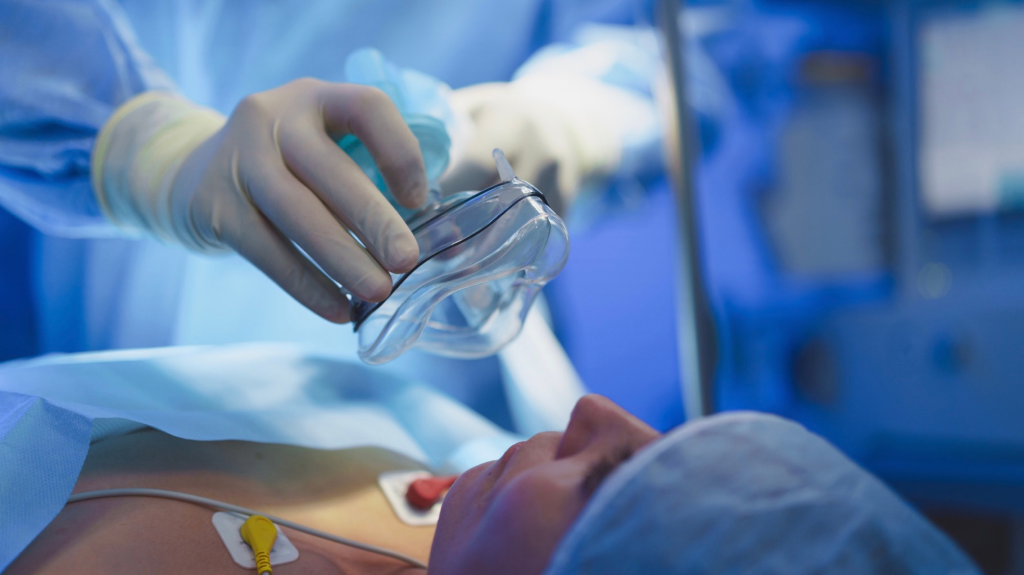
Cosmetic procedures have become increasingly common, offering both surgical and non-surgical options to enhance appearance and boost confidence. One of the most important aspects of any cosmetic treatment is anesthesia. Understanding anesthesia in cosmetic procedures helps patients feel more prepared, reduce anxiety, and make informed decisions about their care.
Anesthesia ensures that procedures are performed safely, comfortably, and with minimal pain, depending on the complexity of the treatment.
What Is Anesthesia?
Anesthesia is the use of medications to prevent pain and discomfort during medical or cosmetic procedures. It works by blocking nerve signals in the body, allowing patients to undergo treatment without feeling pain.
In cosmetic surgery, anesthesia plays a crucial role in ensuring patient comfort and safety.
Types of Anesthesia Used in Cosmetic Procedures
Different types of anesthesia are used depending on the procedure, duration, and patient needs.
1. Local Anesthesia
Local anesthesia numbs a small, specific area of the body.
It is commonly used for:
- Minor skin procedures
- Fillers and injectables
- Small surgical corrections
Patients remain fully awake but do not feel pain in the treated area.
2. Sedation (Twilight Anesthesia)
Sedation helps patients relax while remaining semi-conscious.
Levels of sedation include:
- Mild sedation (relaxed but awake)
- Moderate sedation (drowsy and less aware)
It is often used for:
- Liposuction
- Minor cosmetic surgeries
- Dental aesthetic procedures
Patients usually have little to no memory of the procedure.
3. General Anesthesia
General anesthesia puts the patient into a controlled, sleep-like state.
It is used for:
- Major cosmetic surgeries (e.g., facelifts, body contouring)
- Long or complex procedures
Patients are completely unconscious and do not feel or remember the procedure.
How Anesthesia Is Selected
The type of anesthesia used depends on several factors:
- Type and duration of procedure
- Patient’s medical history
- Level of discomfort expected
- Surgeon’s recommendation
A thorough pre-operative evaluation helps determine the safest option.
Safety of Anesthesia in Cosmetic Procedures
Modern anesthesia is very safe when administered by qualified professionals. Advances in medical technology and monitoring systems have significantly reduced risks.
Safety measures include:
- Continuous monitoring of heart rate and oxygen levels
- Controlled dosage based on patient needs
- Presence of trained anesthesiologists
Patients are carefully evaluated before any anesthesia is given.
What Patients Should Expect Before Anesthesia
Before undergoing anesthesia, patients typically go through a preparation process.
Pre-procedure steps include:
- Medical history review
- Discussion of allergies and medications
- Fasting for a few hours (for sedation or general anesthesia)
- Pre-operative instructions from the doctor
Following these instructions is essential for safety.
During the Procedure
During cosmetic procedures, anesthesia ensures comfort and pain control.
What happens depends on the type:
- Local anesthesia: patient remains awake
- Sedation: patient is relaxed or lightly asleep
- General anesthesia: patient is fully unconscious
Medical staff continuously monitor vital signs throughout the procedure.
After Anesthesia: Recovery Process
Recovery varies depending on the type of anesthesia used.
After local anesthesia:
- Quick recovery
- Mild numbness for a short time
After sedation:
- Drowsiness for a few hours
- Gradual return to full awareness
After general anesthesia:
- Longer recovery time
- Possible nausea or fatigue
Patients are usually monitored until they are fully stable.
Possible Side Effects
While anesthesia is generally safe, some temporary side effects may occur:
- Drowsiness
- Nausea or vomiting
- Sore throat (after general anesthesia)
- Mild confusion or dizziness
These effects typically resolve within a short period.
Risks and Complications
Serious complications are rare but can occur in certain cases.
Potential risks include:
- Allergic reactions
- Breathing difficulties
- Blood pressure changes
This is why proper screening and monitoring are essential before any procedure.
How to Prepare for Anesthesia Safely
Patients can take several steps to ensure a smooth experience:
- Follow fasting instructions strictly
- Inform the doctor about all medications
- Avoid alcohol and smoking before surgery
- Share any previous anesthesia reactions
Proper preparation reduces risks and improves recovery.
Role of the Anesthesiologist
An anesthesiologist plays a critical role in cosmetic procedures. They are responsible for:
- Selecting the right type of anesthesia
- Monitoring patient safety during surgery
- Managing pain and vital functions
- Ensuring smooth recovery
Their expertise is essential for safe outcomes.
Myths About Anesthesia
There are many misconceptions about anesthesia that can cause unnecessary fear.
Common myths:
- “Anesthesia is always dangerous” → Modern anesthesia is very safe
- “You feel everything during surgery” → Proper anesthesia prevents pain
- “Recovery is always difficult” → Most patients recover quickly
Understanding the facts helps reduce anxiety.
Importance of Communication with Your Doctor
Clear communication between patient and doctor is essential. Patients should:
- Ask questions about anesthesia options
- Discuss concerns or fears
- Understand the procedure fully
Being informed builds trust and confidence.
Dr. Ahmad Houmsie is a highly skilled plastic and aesthetic surgeon in Dubai, with extensive clinical training and international credentials. He offers advanced cosmetic procedures for the face and body — including rhinoplasty, liposuction, breast surgery, tummy tuck, facelifts, and more — using state‑of‑the‑art techniques tailored to each patient. For anyone seeking expert guidance and transformative results, booking a consultation directly with Dr. Ahmad Houmsie ensures personalized care and professional excellence.