
Ear surgery is a specialized cosmetic procedure that improves the shape, size, or position of the ears to create better facial harmony. Although ears may seem like a small facial feature, their position and proportion can significantly influence overall appearance. Many people feel self-conscious about prominent or asymmetrical ears, which may affect confidence from a young age. Therefore, ear surgery in Dubai offers a reliable and long-lasting solution that enhances balance while preserving natural facial characteristics.
At Dr Ahmad Houmsie’s clinic, the procedure focuses on achieving subtle and natural-looking results. Instead of making dramatic changes, the goal is to improve symmetry and refine ear shape in a way that complements each patient’s face. As a result, patients often experience improved self-confidence and greater comfort with their appearance through professional ear surgery in Dubai treatment.
What Is Ear Surgery?
Ear surgery, medically known as otoplasty, is a cosmetic procedure that reshapes or repositions the ears. Surgeons perform this treatment to correct ears that stick out, appear uneven, or have irregular contours. The procedure involves carefully adjusting ear cartilage to create a smoother and more balanced appearance.
Many individuals choose Ear Surgery in Dubai because the treatment offers permanent results with minimal scarring. In addition, ear surgery can be performed on both children and adults, depending on the individual’s needs and goals. Since each patient has unique ear anatomy, the procedure is customized to achieve natural-looking outcomes.
Common Reasons for Ear Surgery
People consider ear surgery for different reasons, including both cosmetic and emotional factors. Some of the most common concerns include:
- Prominent ears that project outward
- Uneven ear shape or size
- Ear deformities present from birth
- Injury-related changes in ear structure
- Desire for better facial balance
Furthermore, many patients feel more comfortable in social situations after correcting ear appearance, which contributes to improved self-esteem.
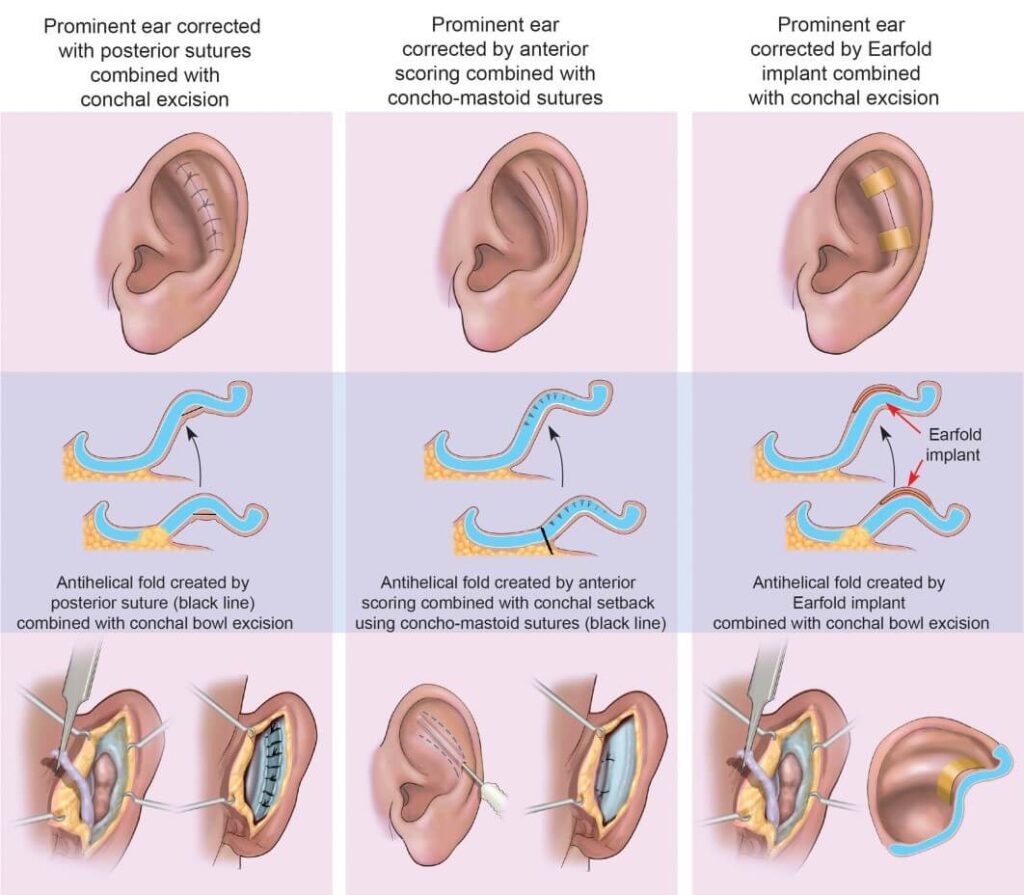
Types of Ear Surgery
Ear Pinning Surgery
Ear pinning is the most common type of otoplasty. Surgeons reposition the ears closer to the head, reducing the appearance of protrusion. Consequently, the ears look more proportionate from the front view.
Ear Reshaping Surgery
This procedure focuses on modifying ear cartilage to improve contour or correct irregularities. Surgeons carefully reshape the structure to achieve smoother and more natural curves.
Ear Reduction Surgery
Patients with larger ears may choose ear reduction surgery to create balance with other facial features. This approach helps improve overall facial symmetry.
Ear Surgery Procedure Steps
Ear surgery follows a carefully planned process to ensure safety and predictable results.
Step 1 – Consultation and Planning
First, the surgeon examines ear shape, cartilage structure, and facial proportions. After discussing patient expectations, a customized treatment plan is created.
Step 2 – Anesthesia
Depending on the complexity of the procedure, local anesthesia with sedation or general anesthesia may be used to ensure patient comfort.
Step 3 – Surgical Adjustment
Small incisions are usually placed behind the ears to keep scars hidden. Through these incisions, the surgeon reshapes or repositions the cartilage to create the desired appearance.
Step 4 – Closure
Finally, stitches are placed carefully, and a protective dressing is applied to support healing.
Most patients return home on the same day, making the procedure convenient and manageable.
Recovery Timeline After Ear Surgery
Recovery after Ear Surgery in Dubai is generally smooth when aftercare instructions are followed properly.
Typical recovery stages include:
- First few days: mild swelling and tenderness
- Around one week: dressing removed during follow-up
- 1–2 weeks: return to normal daily activities
- Several weeks: ears settle into final position
Patients usually wear a supportive headband during early recovery to protect the ears and maintain results. Additionally, avoiding strenuous activities helps reduce swelling and promotes faster healing.
Risks and Possible Complications
Ear surgery is considered safe when performed by an experienced surgeon; however, as with any procedure, some risks may exist.
Possible side effects include:
- Temporary swelling or bruising
- Mild discomfort
- Temporary numbness
- Minor asymmetry during healing
- Infection (rare)
Fortunately, proper surgical technique and careful aftercare significantly reduce these risks.
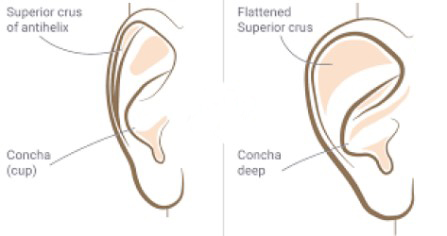
Benefits of Ear Surgery in Dubai
Patients often choose ear surgery because it offers both cosmetic and emotional advantages.
Key benefits include:
- Improved ear symmetry and shape
- Better facial proportion
- Permanent correction
- Minimal visible scarring
- Enhanced confidence and comfort
In addition, many patients feel more comfortable with different hairstyles and photographs after treatment.
At dr-ahmadhoumsie, we provide expert Ear Surgery in Dubai, helping you achieve a balanced, natural, and aesthetically pleasing ear shape. Our experienced team uses advanced surgical techniques combined with personalized care to ensure a safe and comfortable experience from consultation to recovery. Whether your goal is to correct protruding ears, reshape ear contours, or restore symmetry, our clinic in Dubai is dedicated to delivering natural-looking results that boost confidence. Take the first step toward refined and harmonious ears by contacting dr-ahmadhoumsie today.
Frequently Asked Questions (FAQs)
Yes. Modern ear surgery techniques focus on subtle correction. The ears are repositioned or reshaped to blend naturally with facial features, without an “over-corrected” appearance.
Initial recovery usually takes about 7–10 days. Swelling continues to improve over the following weeks, and final results become clearer as healing progresses.
Scars are typically hidden behind the ears and fade significantly over time. In most cases, they are barely noticeable once fully healed.
Yes, ear surgery results are generally permanent. Once the cartilage heals in its new position, the shape of the ears remains stable long term.
Ear Surgery is effective for both children and adults, though many choose to have it done during childhood to prevent social discomfort.
Yes, Ear Surgery can sometimes be combined with other facial procedures for comprehensive aesthetic improvement.
Most patients return to normal activities within 7–10 days after Ear Surgery.
Cosmetic Ear Surgery (otoplasty) typically does not affect hearing, as it focuses on the external ear structure.
Preparation for Ear Surgery may include medical evaluation, avoiding certain medications, and following pre-operative instructions.
Yes, Ear Surgery can be performed on one ear or both, depending on the individual’s needs.