
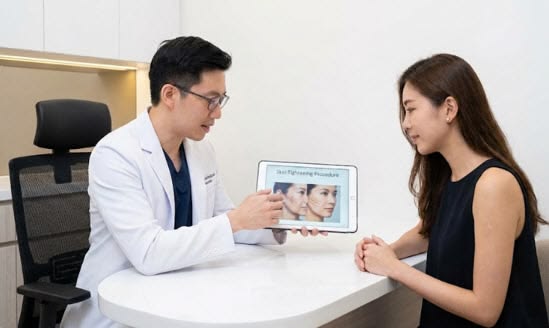
Aesthetic treatments and cosmetic procedures can help individuals address specific concerns about their appearance. However, achieving a satisfying result is not only about the immediate outcome of a procedure. Long-term aesthetic satisfaction depends on realistic expectations, appropriate treatment selection, professional planning, healthy habits, and proper follow-up care.
A Professional Guide to Long-Term Aesthetic Satisfaction explores the factors that can help individuals make informed decisions and maintain realistic expectations throughout their aesthetic journey. Every person has different anatomy, skin characteristics, lifestyle factors, and aesthetic goals, so personalized planning is an important part of achieving a natural and balanced result.
Understanding Aesthetic Goals
Before considering an aesthetic treatment, it is important to clearly understand what you want to change and why.
Some individuals may want to address signs of aging, improve skin texture, correct asymmetry, enhance facial proportions, or modify a particular body contour. Others may simply want to maintain a healthy and refreshed appearance.
Clearly identifying the concern can help a qualified professional determine whether a particular treatment is appropriate.
Choosing the Right Treatment
There are many aesthetic treatments available, ranging from non-invasive procedures to surgical interventions. Choosing the right option should be based on individual needs rather than popularity or social media trends.
A professional assessment can help determine whether a treatment is suitable based on factors such as skin type, anatomy, age, medical history, previous procedures, and desired results.
In some cases, a less invasive approach may be appropriate, while other concerns may require a more comprehensive treatment.
Setting Realistic Expectations
One of the most important factors in long-term satisfaction is having realistic expectations.
Aesthetic procedures can improve selected features, but they cannot guarantee perfection or completely stop the natural aging process. Results can also vary between individuals because of differences in healing, genetics, lifestyle, and anatomy.
A responsible consultation should explain what a procedure can realistically achieve, how long results may last, and whether maintenance treatments could be necessary.
Importance of Personalized Planning
Aesthetic treatment should be tailored to the individual. Applying the same technique, volume, or treatment plan to everyone may not produce natural-looking results.
Personalized planning considers facial or body structure, proportions, skin characteristics, previous procedures, and the individual’s aesthetic goals.
This approach can help create results that complement the person’s existing features instead of making unnecessary or excessive changes.
Choosing a Qualified Professional
The qualifications and experience of the professional performing an aesthetic procedure are important safety considerations.
Individuals should choose appropriately trained and licensed professionals with relevant experience in the specific procedure being considered.
During a consultation, patients should feel comfortable asking about the professional’s qualifications, experience, expected results, potential risks, and aftercare process.
Choosing a provider based only on cost or promotional offers may not be the best approach when safety and long-term results are important.
Understanding the Aging Process
Aesthetic results do not exist independently of natural aging. Skin, facial tissues, muscle tone, and body composition can change over time.
Even after a successful procedure, natural aging will continue.
Understanding this process can help individuals maintain realistic expectations. Long-term aesthetic care should focus on supporting healthy appearance rather than attempting to permanently stop natural changes.
Maintaining Skin Health
Healthy skin can contribute significantly to aesthetic outcomes. A consistent skincare routine can help support the skin’s condition before and after appropriate treatments.
Basic habits may include gentle cleansing, regular moisturizing, and protection from excessive sun exposure.
Sun protection is especially important because ultraviolet exposure can contribute to premature skin aging, pigmentation changes, and other forms of skin damage.
Skincare should be adapted to individual needs, particularly for people with sensitive skin or existing skin conditions.
Healthy Lifestyle Habits
Lifestyle factors can influence both appearance and overall health. Adequate sleep, balanced nutrition, regular physical activity, hydration, and avoiding tobacco can support general well-being.
Excessive sun exposure, smoking, poor nutrition, and inadequate sleep may contribute to changes in skin quality and the aging process.
Healthy habits cannot replace professional treatment, but they can complement an appropriate aesthetic care plan.
Following Post-Treatment Instructions
Aftercare is an important part of achieving and maintaining appropriate results. Depending on the procedure, patients may receive instructions about skincare, physical activity, sun exposure, medications, or other activities.
Following these recommendations can support healing and reduce the risk of complications.
Patients should also attend recommended follow-up appointments so that the professional can assess healing and address any concerns.
Understanding Maintenance Treatments
Some aesthetic treatments provide temporary results and may require maintenance sessions. This can apply to certain injectables, skin treatments, laser procedures, and other non-surgical approaches.
Maintenance schedules vary according to the treatment and individual response.
Patients should understand the expected duration of results before beginning treatment so they can make informed decisions about long-term care.
Avoiding Excessive Treatments
More treatment does not always mean better results. Repeated or excessive procedures can sometimes create an unnatural appearance or increase the risk of complications.
A conservative and carefully planned approach may be more appropriate when the goal is to maintain natural-looking results.
Allowing sufficient time between procedures can also make it easier to evaluate the actual outcome before deciding whether additional treatment is necessary.
Evaluating Results Over Time
Some aesthetic procedures produce immediate changes, while others require weeks or months before the final result becomes clear.
Patients should avoid making rushed decisions based on early swelling, bruising, or temporary changes.
Following the recommended recovery timeline and attending follow-up appointments can provide a better opportunity to evaluate the outcome.
Emotional Well-Being and Aesthetic Decisions
Aesthetic procedures can influence how individuals feel about themselves, but expectations should remain realistic.
People considering cosmetic treatment should make decisions for themselves rather than responding to pressure from social media, friends, partners, or unrealistic beauty standards.
A professional consultation can help determine whether the desired change is achievable and whether the individual’s expectations are appropriate.
Dr. Ahmad Houmsie is a highly skilled plastic and aesthetic surgeon in Dubai, with extensive clinical training and international credentials. He offers advanced cosmetic procedures for the face and body — including rhinoplasty, liposuction, breast surgery, tummy tuck, facelifts, and more — using state‑of‑the‑art techniques tailored to each patient. For anyone seeking expert guidance and transformative results, booking a consultation directly with Dr. Ahmad Houmsie ensures personalized care and professional excellence.