
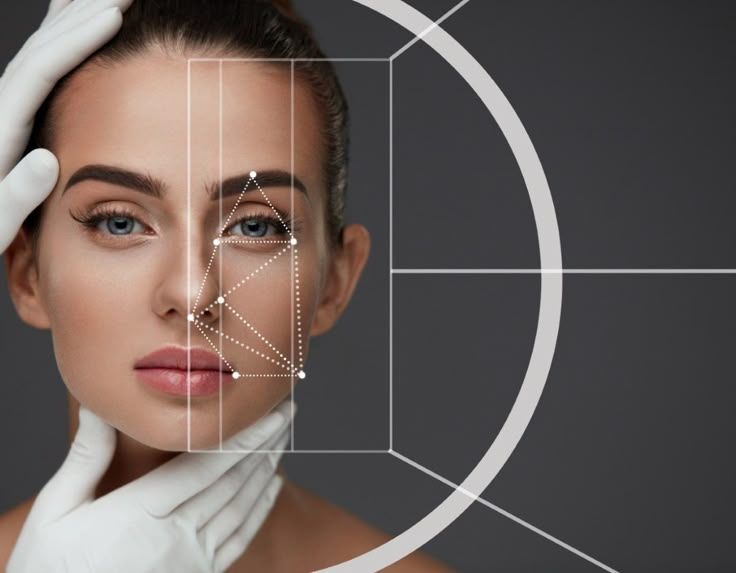
Facial features play a significant role in overall appearance, confidence, and self-expression. Every face has a unique combination of characteristics that create individual identity, including the eyes, nose, lips, cheeks, chin, and jawline. Over time, aging, genetics, lifestyle habits, and environmental factors can alter facial proportions and skin quality, leading some individuals to consider cosmetic surgery for enhancement.
A Detailed Guide to Facial Feature Refinement explores the principles of modern facial cosmetic surgery, the available surgical options, and the importance of achieving natural-looking results while preserving facial identity. Today’s surgical techniques focus on enhancing facial harmony rather than dramatically changing a person’s appearance.
What Is Facial Feature Refinement?
Facial feature refinement refers to cosmetic surgical procedures that improve the shape, balance, or proportions of specific facial areas. Rather than focusing on perfection, these procedures aim to create a harmonious appearance by enhancing existing features and correcting concerns that may affect facial symmetry or confidence.
Facial refinement may address:
- Age-related changes
- Facial asymmetry
- Loss of skin elasticity
- Weak facial contours
- Prominent or disproportionate features
- Loose skin around the face and neck
Every treatment plan is tailored to the individual’s anatomy and personal aesthetic goals.
The Importance of Facial Harmony
One of the primary goals of facial feature refinement is achieving facial harmony. Instead of evaluating each feature independently, cosmetic surgeons assess how every part of the face works together.
Important facial structures include:
- Forehead
- Eyebrows
- Eyes
- Nose
- Cheeks
- Lips
- Chin
- Jawline
- Neck
Improving balance between these features often produces more natural and attractive results than altering a single area without considering the overall facial structure.
Common Reasons for Facial Refinement
People choose facial enhancement for many different reasons. Some wish to reduce visible signs of aging, while others seek improved facial proportions or correction of naturally occurring asymmetry.
Common concerns include:
- Sagging facial skin
- Deep facial folds
- Loose neck skin
- Drooping eyelids
- Weak chin projection
- Poor jawline definition
- Facial volume loss
- Changes following significant weight loss
Each concern requires a personalized surgical approach based on the individual’s facial anatomy.
Facial Rejuvenation Procedures
Modern facial rejuvenation combines advanced surgical techniques with careful planning to create refreshed, natural-looking outcomes.
Facelift
A facelift is designed to improve sagging skin, deep creases, and reduced definition along the lower face. Modern facelift techniques reposition deeper facial tissues instead of simply tightening the skin, helping preserve natural facial expressions.
Potential benefits include:
- Improved jawline definition
- Reduced sagging skin
- Smoother facial contours
- More youthful appearance
- Long-lasting results
Neck Lift
The neck often reveals early signs of aging through loose skin and muscle banding. A neck lift improves contour beneath the chin while creating a smoother transition between the face and neck.
Many patients combine a neck lift with a facelift for comprehensive facial rejuvenation.
Eyelid Surgery
The eyes are central to facial expression and communication. Eyelid surgery removes excess skin and fat from the upper or lower eyelids, helping reduce puffiness and restore a refreshed appearance.
This procedure can also improve vision when excess upper eyelid skin obstructs the visual field.
Chin and Jawline Enhancement
The chin and jawline contribute significantly to facial balance. Individuals with a weak chin or poorly defined jawline may benefit from procedures that improve facial proportions.
Enhancing this area may help:
- Improve profile balance
- Increase jawline definition
- Create stronger facial contours
- Improve harmony between the nose, lips, and chin
Treatment recommendations depend on facial structure and overall aesthetic goals.
The Role of Skin Quality
Healthy skin supports better cosmetic surgery outcomes. Skin elasticity, collagen production, hydration, and overall skin condition influence both surgical planning and recovery.
Factors affecting skin quality include:
- Natural aging
- Genetics
- Sun exposure
- Smoking
- Nutrition
- Hydration
- Daily skincare habits
Maintaining healthy skin before and after surgery contributes to smoother healing and long-lasting results.
Personalized Treatment Planning
Every face is unique, making individualized treatment planning essential. During consultation, surgeons evaluate:
- Facial proportions
- Bone structure
- Skin quality
- Muscle tone
- Medical history
- Lifestyle habits
- Desired outcomes
This detailed assessment helps determine the most appropriate procedures while preserving each patient’s natural appearance.
Recovery After Facial Surgery
Healing varies depending on the procedures performed and the individual’s overall health. Temporary swelling, bruising, and mild discomfort are common during the initial recovery period.
Patients are generally encouraged to:
- Follow all postoperative instructions
- Attend follow-up appointments
- Sleep with the head elevated when advised
- Avoid strenuous physical activity
- Stay hydrated
- Eat a balanced diet
- Protect healing skin from excessive sun exposure
As healing progresses, facial contours gradually become more refined and natural.
Maintaining Facial Refinement Results
Although cosmetic surgery provides long-lasting improvements, maintaining results requires ongoing care. Healthy lifestyle habits support skin health and help preserve facial rejuvenation.
Long-term maintenance includes:
- Daily sunscreen use
- Consistent skincare
- Stable body weight
- Nutritious diet
- Regular exercise
- Adequate hydration
- Avoiding smoking
- Managing stress
These habits promote healthy aging while extending the longevity of cosmetic results.
Setting Realistic Expectations
Facial refinement is intended to enhance natural features, not completely transform appearance. Realistic expectations play an important role in overall satisfaction.
Patients should understand that:
- Every face is unique.
- Results vary between individuals.
- Surgery improves rather than perfects facial features.
- Natural aging continues after surgery.
- Healing requires patience.
Open communication with the surgical team helps establish achievable goals and supports informed decision-making.
Benefits of Facial Feature Refinement
When carefully planned and performed, facial feature refinement offers numerous benefits beyond cosmetic improvement.
These may include:
- Enhanced facial harmony
- More balanced proportions
- Improved self-confidence
- Refreshed appearance
- Better jawline definition
- Smoother facial contours
- Long-lasting, natural-looking results
The emphasis remains on subtle improvements that preserve personal identity while enhancing overall facial balance.
Dr. Ahmad Houmsie is a highly skilled plastic and aesthetic surgeon in Dubai, with extensive clinical training and international credentials. He offers advanced cosmetic procedures for the face and body — including rhinoplasty, liposuction, breast surgery, tummy tuck, facelifts, and more — using state‑of‑the‑art techniques tailored to each patient. For anyone seeking expert guidance and transformative results, booking a consultation directly with Dr. Ahmad Houmsie ensures personalized care and professional excellence.