
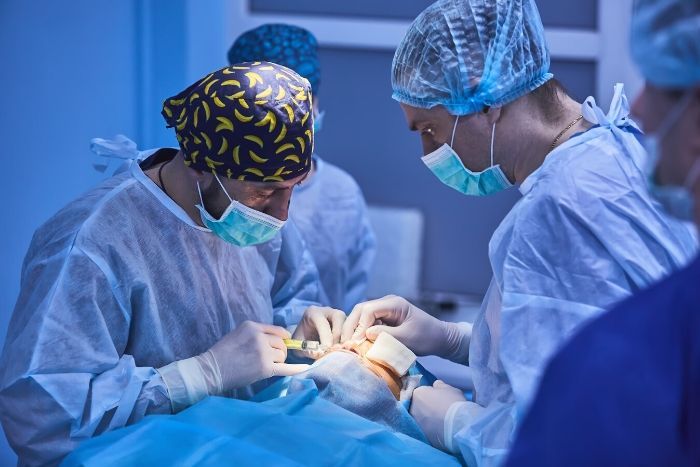
The field of aesthetic surgery has experienced remarkable transformation over the years. Advancements in medical science, technology, patient safety, and artistic surgical approaches have shaped the modern era of cosmetic and reconstructive procedures. Today, surgical aesthetics focuses not only on physical enhancement but also on balance, personalization, and natural-looking outcomes.
Understanding surgical aesthetic evolution provides insight into how medical professionals continue improving techniques to meet changing patient expectations while maintaining high standards of safety and precision. From traditional surgical methods to advanced minimally invasive procedures, aesthetic medicine has become increasingly sophisticated and patient-centered.
The Early Foundations of Aesthetic Surgery
The origins of aesthetic surgery date back centuries, when early reconstructive procedures were developed to repair injuries and restore physical function. Over time, surgical techniques gradually expanded beyond reconstruction and began addressing cosmetic concerns related to appearance and symmetry.
In earlier decades, aesthetic procedures were often limited by:
- Basic surgical instruments
- Limited anesthesia options
- Longer recovery periods
- Less advanced sterilization methods
- Minimal imaging and planning tools
Despite these limitations, early innovations laid the groundwork for modern aesthetic surgery and introduced concepts that continue to influence contemporary procedures.
The Shift Toward Modern Cosmetic Enhancement
As medical science advanced, aesthetic surgery evolved from corrective treatment into a broader field focused on body contouring, facial harmony, and age-related rejuvenation. Increased understanding of anatomy, skin structure, and healing processes allowed surgeons to refine procedures and improve outcomes.
Modern cosmetic enhancement began emphasizing:
- Facial balance
- Natural body proportions
- Symmetry and contour refinement
- Improved scar management
- Patient-specific planning
This shift marked the beginning of a more artistic and individualized approach to aesthetic surgery.
Advancements in Surgical Safety
One of the most important developments in surgical aesthetic evolution has been the improvement of patient safety standards. Advances in sterilization, anesthesia, monitoring systems, and surgical protocols have significantly reduced risks and enhanced recovery experiences.
Modern safety improvements include:
- Advanced operating room technology
- Real-time patient monitoring
- Improved infection control systems
- Safer anesthesia techniques
- Enhanced recovery protocols
- Evidence-based surgical planning
These developments have helped make aesthetic procedures more reliable and accessible while prioritizing patient wellbeing.
The Rise of Minimally Invasive Techniques
In recent years, minimally invasive procedures have become an important part of aesthetic medicine. Many patients now seek treatments that offer subtle improvements with shorter recovery periods and less visible scarring.
Minimally invasive advancements may include:
- Small-incision techniques
- Endoscopic surgical approaches
- Laser-assisted procedures
- Ultrasound-guided technologies
- Precision contouring systems
These innovations allow healthcare professionals to perform procedures with greater accuracy while reducing tissue trauma and recovery time.
Personalized Surgical Planning
Another major milestone in surgical aesthetic evolution is the growing emphasis on individualized treatment planning. Modern aesthetic care recognizes that every patient has unique anatomy, goals, and lifestyle considerations.
Personalized surgical planning often evaluates:
- Facial and body proportions
- Skin quality and elasticity
- Age-related changes
- Bone structure
- Recovery expectations
- Long-term aesthetic goals
Customized treatment approaches help create results that complement natural anatomy and enhance overall harmony.
Facial Aesthetic Evolution
Facial procedures have evolved significantly as patient preferences shifted toward subtle and natural-looking enhancement. Earlier cosmetic trends sometimes focused on dramatic changes, while modern techniques aim to preserve facial expression and individuality.
Contemporary facial aesthetic procedures often emphasize:
- Balanced facial contours
- Soft tissue support
- Natural volume restoration
- Skin quality improvement
- Harmonious facial proportions
Advances in surgical precision and anatomical understanding have contributed to more refined and realistic outcomes.
Body Contouring and Structural Balance
Body contouring techniques have also transformed dramatically over time. Modern procedures are no longer focused solely on fat removal but instead prioritize overall body balance and contour harmony.
Current body contouring approaches may include:
- Strategic fat sculpting
- Skin tightening methods
- Fat transfer techniques
- Muscle contour enhancement
- Multi-area treatment planning
These procedures are often designed to improve proportions while maintaining natural body transitions and symmetry.
The Influence of Technology on Aesthetic Surgery
Technology has played a major role in shaping the future of aesthetic surgery. Advanced tools and digital systems allow surgeons to improve planning accuracy and procedural precision.
Technological advancements may include:
- 3D imaging and simulation
- Digital body analysis
- Robotic-assisted systems
- High-definition contouring
- Laser and energy-based devices
- Enhanced surgical instruments
These innovations support better communication between patients and healthcare providers while improving procedural consistency.
Improved Recovery and Post-Surgical Care
Recovery methods have evolved alongside surgical advancements. Modern post-operative care focuses on patient comfort, faster healing, and long-term outcome stability.
Improved recovery protocols may involve:
- Early mobility support
- Compression therapy
- Advanced wound care techniques
- Personalized recovery plans
- Nutritional and hydration guidance
Enhanced recovery systems help patients return to normal activities more comfortably and efficiently.
The Psychological Impact of Aesthetic Evolution
Aesthetic surgery today recognizes the importance of emotional wellbeing and self-confidence. Many individuals seek procedures not only for physical enhancement but also to improve self-image and comfort in their appearance.
Patient-centered care now places greater emphasis on:
- Realistic expectations
- Ethical consultation practices
- Emotional support
- Personalized treatment decisions
- Long-term satisfaction
This holistic approach reflects the broader evolution of modern aesthetic medicine.
Ethical Standards in Modern Aesthetic Surgery
As the popularity of cosmetic procedures has grown, ethical medical standards have become increasingly important. Healthcare professionals now place strong focus on patient education, informed consent, and responsible treatment recommendations.
Ethical aesthetic care often includes:
- Honest communication
- Patient safety prioritization
- Conservative treatment planning
- Clear recovery guidance
- Realistic aesthetic goals
Maintaining ethical standards helps support patient trust and long-term healthcare quality.
Global Trends Influencing Aesthetic Procedures
Aesthetic surgery trends continue to evolve based on cultural preferences, social influences, and technological innovation. Modern patients often prefer balanced enhancements that appear natural rather than overly dramatic.
Current global trends may include:
- Subtle contour refinement
- Preventive anti-aging approaches
- Combination treatment planning
- Personalized aesthetic strategies
- Minimally invasive enhancement
These changing preferences continue shaping the future direction of aesthetic surgery worldwide.
The Future of Surgical Aesthetic Evolution
The future of aesthetic surgery is expected to focus even more heavily on personalization, regenerative medicine, and advanced technology. Emerging innovations may further improve safety, precision, and recovery experiences.
Future developments may include:
- Artificial intelligence-assisted planning
- Regenerative tissue therapies
- Enhanced scar reduction techniques
- Smart surgical monitoring systems
- More precise minimally invasive tools
As medical science advances, aesthetic surgery will likely continue moving toward safer, more refined, and highly individualized treatment methods.
Dr. Ahmad Houmsie is a highly skilled plastic and aesthetic surgeon in Dubai, with extensive clinical training and international credentials. He offers advanced cosmetic procedures for the face and body — including rhinoplasty, liposuction, breast surgery, tummy tuck, facelifts, and more — using state‑of‑the‑art techniques tailored to each patient. For anyone seeking expert guidance and transformative results, booking a consultation directly with Dr. Ahmad Houmsie ensures personalized care and professional excellence.