
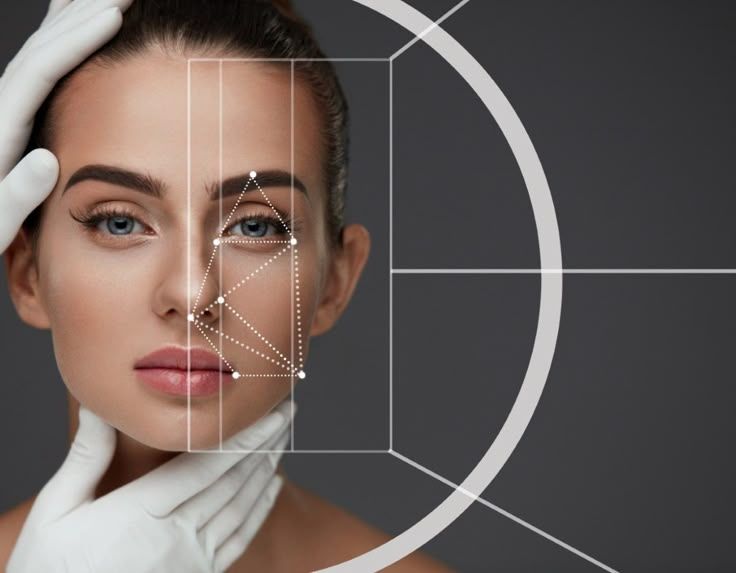
In the world of aesthetics and cosmetic enhancement, the concepts of facial harmony and body proportion play a central role. Achieving balance and symmetry is not just about individual features but how those features relate to one another and to the overall body. Understanding facial harmony and body proportion helps individuals make informed decisions about treatments, skincare, and lifestyle practices that enhance natural beauty.
What Is Facial Harmony?
Facial harmony refers to the balance and proportionality of facial features, including the eyes, nose, lips, cheeks, and jawline. When these features are in proportion to one another, the face appears aesthetically pleasing, even without cosmetic intervention. Facial harmony is influenced by genetics, aging, and lifestyle factors, but it can also be enhanced through targeted treatments.
Key elements of facial harmony include:
- Symmetry: The alignment of features on both sides of the face. While perfect symmetry is rare, minor adjustments can create a more balanced appearance.
- Proportion: The relationship between facial features, such as the width of the nose in relation to the eyes or the size of the lips in relation to the chin.
- Contour and Structure: Bone structure and soft tissue distribution significantly affect the overall harmony of the face. Cheekbones, jawline, and chin play a vital role in creating balance.
- Skin Health: Smooth, even-toned skin enhances facial harmony by creating a uniform canvas that highlights natural contours.
The Role of Aging in Facial Harmony
Aging affects facial harmony by causing changes in skin elasticity, volume, and bone density. Loss of collagen and fat in the cheeks can create hollow areas, while sagging skin may disrupt proportionality. Wrinkles, fine lines, and uneven pigmentation also impact how balanced the face appears.
Modern aesthetic treatments, such as dermal fillers, Botox, and non-surgical skin tightening, aim to restore facial balance by addressing volume loss, wrinkles, and contour irregularities. Combining these treatments with medical guidance ensures natural results that maintain individual identity.
What Is Body Proportion?
Body proportion refers to the relationship between different parts of the body, such as the torso, limbs, and overall height. Proportional balance creates visual harmony, enhancing aesthetics and promoting confidence. Body proportion is influenced by genetics, muscle development, and lifestyle habits like exercise and nutrition.
Key considerations include:
- Upper-to-Lower Body Ratio: The proportion between the shoulders, chest, waist, and hips. An ideal ratio enhances overall balance and posture.
- Limb-to-Torso Ratio: Balanced limb length in relation to the torso contributes to aesthetically pleasing proportions.
- Muscle Tone and Fat Distribution: Maintaining muscle definition and healthy fat levels helps create a proportional silhouette.
Enhancing Facial Harmony and Body Proportion
There are both non-surgical and surgical methods to enhance facial harmony and body proportion. The approach depends on individual goals, anatomy, and preferences.
Non-Surgical Options:
- Injectables: Dermal fillers and Botox can restore volume, smooth wrinkles, and enhance facial contours.
- Skin Treatments: Laser therapy, chemical peels, and microneedling improve skin texture and tone, highlighting natural facial features.
- Body Sculpting: Non-invasive fat reduction, muscle toning, and skin tightening treatments can enhance overall body balance.
Surgical Options:
- Facial Surgery: Procedures such as rhinoplasty, chin augmentation, or cheek implants can address structural imbalances to achieve better facial harmony.
- Body Contouring Surgery: Liposuction, tummy tucks, and breast or buttock augmentation can help refine body proportions and create symmetry.
The Psychological Impact of Harmony and Proportion
Facial harmony and body proportion are not purely cosmetic concerns—they have a significant psychological impact. Studies show that people with balanced features often experience higher self-esteem, improved social interactions, and greater confidence. Enhancing proportionality can also alleviate self-consciousness, helping individuals feel more comfortable in their own skin.
Achieving Balance Through Lifestyle
While treatments and procedures can enhance aesthetics, lifestyle choices also play a crucial role in maintaining facial harmony and body proportion:
- Nutrition: A balanced diet supports skin health, bone strength, and overall body composition.
- Exercise: Regular physical activity promotes muscle tone, posture, and proportional body development.
- Skincare Routine: Proper cleansing, hydration, and sun protection maintain youthful skin and enhance facial features.
- Sleep and Stress Management: Adequate rest and stress control prevent premature aging and preserve natural balance in facial features and body composition.
Consultation and Professional Guidance
Achieving ideal facial harmony and body proportion requires careful assessment by trained professionals. Dermatologists, plastic surgeons, and aesthetic specialists can evaluate individual anatomy, recommend appropriate treatments, and create a personalized plan. Combining medical expertise with aesthetic understanding ensures results that are both safe and visually harmonious.
Dr. Ahmad Houmsie is a highly skilled plastic and aesthetic surgeon in Dubai, with extensive clinical training and international credentials. He offers advanced cosmetic procedures for the face and body — including rhinoplasty, liposuction, breast surgery, tummy tuck, facelifts, and more — using state‑of‑the‑art techniques tailored to each patient. For anyone seeking expert guidance and transformative results, booking a consultation directly with Dr. Ahmad Houmsie ensures personalized care and professional excellence.