
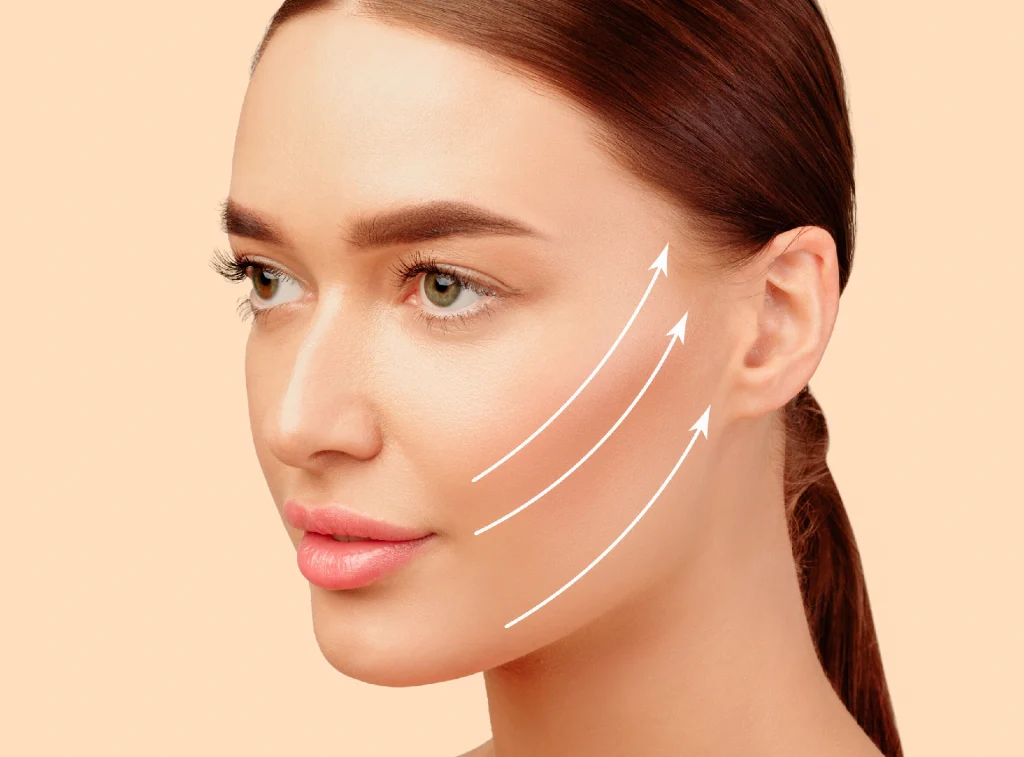
In today’s age of aesthetic medicine, facial enhancement has become more accessible than ever. From dermal fillers and Botox to non-surgical lifts and contouring procedures, people have a variety of options to refresh their appearance. Yet, one question often arises: how can one enhance facial features without losing their unique identity? Maintaining individuality while improving aesthetics is the cornerstone of natural-looking results.
What Is Facial Enhancement?
Facial enhancement refers to procedures that aim to improve or restore facial aesthetics. This includes addressing signs of aging, enhancing feature symmetry, or boosting facial contours. Common methods include:
- Injectables like fillers and Botox
- Non-surgical skin tightening treatments
- Facial contouring procedures
- Laser and skin resurfacing therapies
The goal is often subtle enhancement rather than drastic transformation. This approach allows individuals to look refreshed, youthful, or more balanced while preserving what makes them uniquely themselves.
Why Identity Matters in Facial Aesthetics
Each face tells a story. Features such as the shape of the eyes, lips, nose, and jawline are central to a person’s identity. Over-aggressive treatments can erase these unique characteristics, leaving a face that may appear artificial or unfamiliar. This phenomenon is often referred to as “identity loss” in cosmetic medicine.
Maintaining identity is especially important because faces are critical to social interaction. People recognize each other based on subtle facial cues. When natural features are over-altered, it can affect not only appearance but also personal confidence and interpersonal connections.
Principles of Enhancing Without Losing Identity
Achieving facial enhancement without compromising identity relies on three core principles:
- Subtlety
Small, carefully calculated changes often have the greatest impact. For example, restoring cheek volume or softening fine lines can refresh the face without altering its core shape. - Harmony and Balance
The face should remain proportionate. Enhancements that align with natural contours and symmetry create an aesthetically pleasing outcome while preserving individuality. - Personalized Approach
Every face is unique. A tailored treatment plan considers facial anatomy, skin quality, and lifestyle factors, ensuring that the results suit the person, not a standardized ideal.
Common Procedures That Preserve Identity
Modern aesthetics offers several options designed to enhance without over-altering:
- Dermal Fillers: Used to restore volume in cheeks, lips, and under-eye areas. When applied carefully, fillers can rejuvenate the face while maintaining the person’s natural contours.
- Botox and Neuromodulators: Smooth fine lines and wrinkles without changing the overall expression of the face. Subtle injections prevent the “frozen” look often associated with overuse.
- Skin Tightening and Lifting: Non-surgical treatments like radiofrequency or ultrasound lifts restore firmness while keeping facial structure intact.
- Laser Resurfacing and Chemical Peels: Improve skin texture, tone, and radiance, enhancing overall appearance without affecting bone structure or facial identity.
The Role of Communication Between Practitioner and Patient
Maintaining identity starts with clear communication. Patients should express their goals, concerns, and comfort levels, while practitioners provide realistic expectations. Visual tools, such as before-and-after photos or digital simulations, can help set a clear understanding of potential outcomes.
A skilled aesthetic professional focuses on enhancing features that complement the individual, rather than creating a generic or “perfect” look. This collaborative approach is essential for natural, identity-preserving results.
Avoiding Common Pitfalls
Some mistakes can compromise identity:
- Overfilling or overlifting specific areas
- Ignoring facial proportions or symmetry
- Following trends blindly without considering personal anatomy
- Using one-size-fits-all techniques
Awareness of these pitfalls helps patients make informed choices and avoid unnatural results.
Aging Gracefully While Preserving Identity
Aging is inevitable, but facial enhancement allows for a graceful, natural transition. Instead of chasing dramatic youthfulness, treatments can slow visible aging while maintaining recognizable features. This approach emphasizes confidence, self-expression, and authenticity over artificial perfection.
The Psychological Benefits of Natural Enhancement
Preserving facial identity has psychological advantages. People who undergo subtle, identity-preserving treatments often report:
- Increased confidence
- Positive self-image
- Comfort in social interactions
- Satisfaction with their natural appearance
Enhancement that respects individuality fosters a sense of self rather than creating a mask.
Facial enhancement without identity loss is a delicate balance between art and science. By focusing on subtlety, harmony, and personalization, modern aesthetic treatments can refresh and rejuvenate the face while preserving the essence of who you are. Ultimately, the most successful facial enhancements are those that enhance confidence and natural beauty without erasing individuality. With careful planning and skilled execution, it is possible to look revitalized while staying unmistakably yourself.